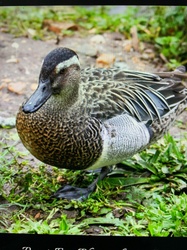
Order: Anseriformes, Family: Anatidae
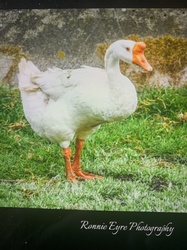
Snow Goose
Anser caerulescens
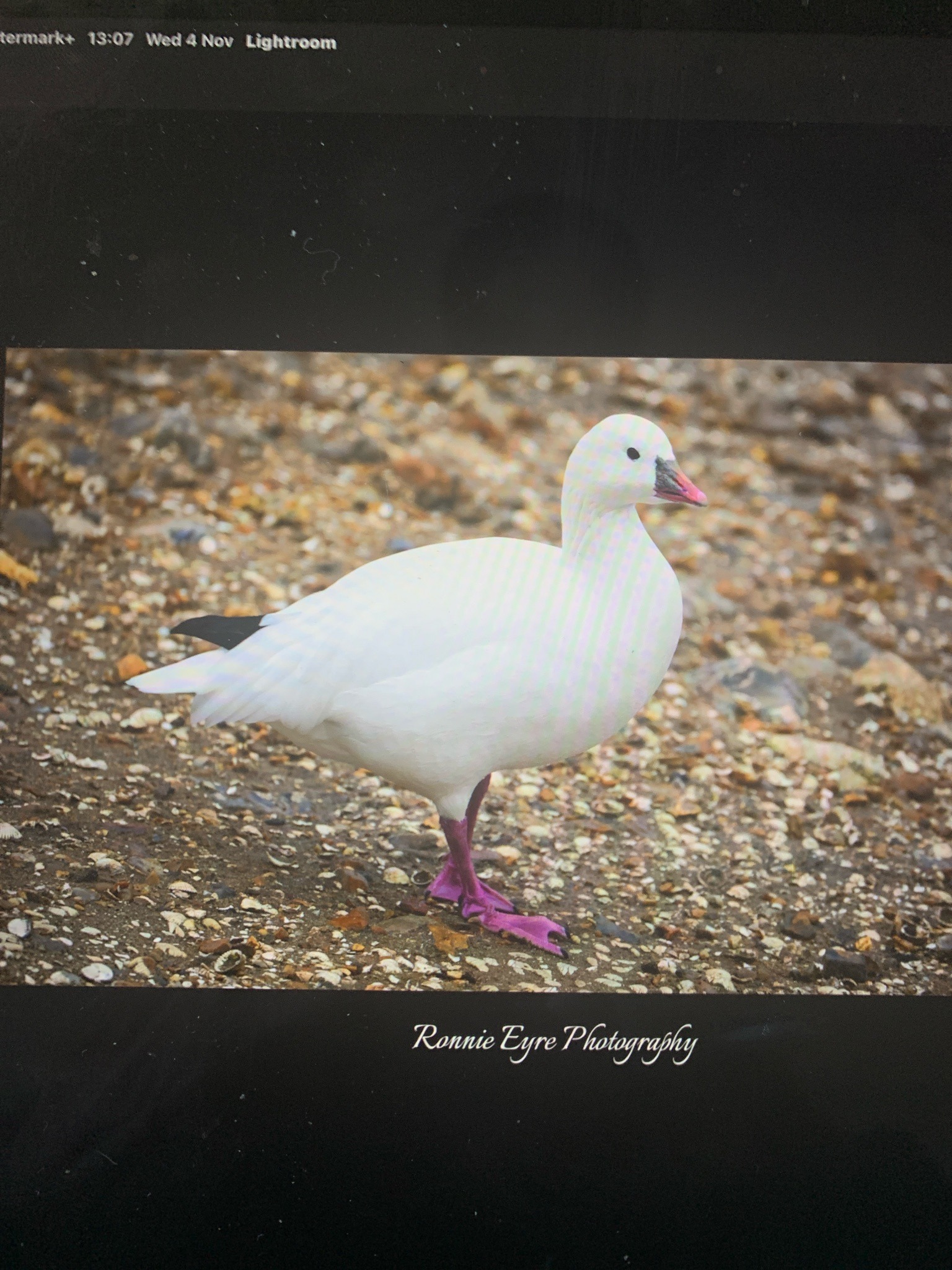
A medium-sized goose with a robust body, short neck, and characteristic black 'grinning patch' on its bill, highly gregarious and often seen in massive flocks.
Explore Snow Goose in the encyclopedia →Identify your own birds.
Get a report just like this from any photo or call, free.
Plumage & appearance
Two color morphs: the white morph (white body with black wingtips) and the blue morph (dark grey-blue body with a white head and upper neck). Juveniles are grayish-brown with duller bills and legs.
Key field marks
White body (in white morph), black primary wingtips contrasting sharply with white underparts, pinkish-red bill with a dark black 'grin patch' along the cutting edge, and pinkish legs.
Size & weight
Length: 60-79 cm (24-31 in), Wingspan: 132-165 cm (52-65 in), Weight: 2.0-3.2 kg (4.4-7.1 lbs)
Voice — call & song
A high-pitched, nasal, barking yelp or honk, often given in a chaotic chorus by large flocks.
Diet & foraging
Herbivorous, feeding primarily on grasses, sedges, roots, shoots, and agricultural grains like corn and rice, using their strong bills to dig up underground roots and tubers.
Habitat
Tundra and coastal marshes in the summer; agricultural fields, freshwater marshes, estuaries, and mudflats in the winter.
Migration & movement
Highly migratory, traveling long distances between Arctic breeding grounds and southern wintering areas.
Nesting & breeding
Nests on the ground in a shallow depression lined with plant material and down feathers, usually in colonies; clutch size is 2-6 creamy-white eggs incubated solely by the female.
Similar species
Ross's Goose is smaller with a shorter neck, a stubbier bill lacking a prominent grinning patch, and lacks the dark wingtips in some contexts, but can look very similar.
Ecological significance
Through their intensive grubbing and grazing behaviors, Snow Geese significantly impact Arctic tundra vegetation, influencing plant communities and providing nutrients to soil, while also serving as prey for Arctic predators.
Conservation status
Least Concern, with populations currently expanding significantly due to abundant agricultural food sources on wintering grounds.
Observation tips
Look for massive V-shaped migratory formations or large flocks feeding in agricultural fields; use binoculars or spotting scopes as they can be wary and keep a distance from observers.
Interesting facts
Snow Geese form long-term monogamous pair bonds, often mating for life, and their population growth has become so high that special conservation hunts have been established to protect fragile Arctic habitats from overgrazing.
More like this