Order: Anseriformes, Family: Anatidae
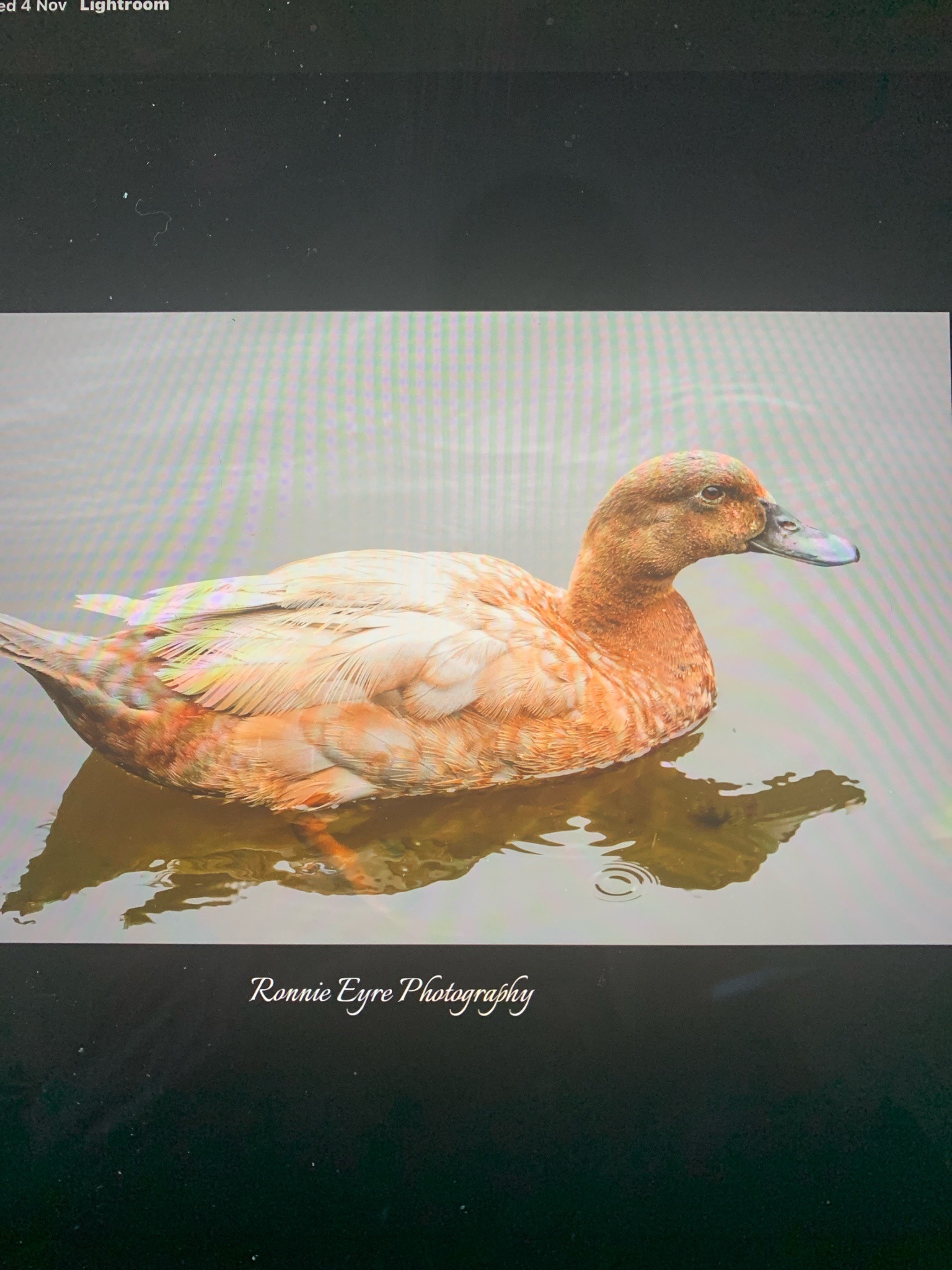
Mallard (Feral / Domestic cross or color morph)
Anas platyrhynchos
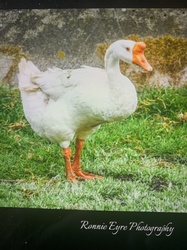
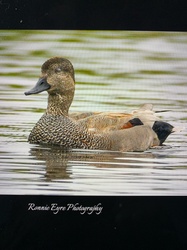
A medium-sized dabbling duck with a robust body, rounded head, and broad bill. This particular individual shows an unusual cinnamon-brown and buff color morph typical of domestic or feral farm duck ancestry.
Explore Mallard (Feral / Domestic cross or color morph) in the encyclopedia →Identify your own birds.
Get a report just like this from any photo or call, free.
Plumage & appearance
Highly variable due to domestic breeding and hybridization. Wild type features iridescent green head, white collar, chestnut breast, and grey body, but domestic and feral variants like the one shown exhibit cinnamon, fawn, buff, white, or mottled colorations.
Key field marks
Broad yellowish-green or greyish bill, stout body, rounded head, and characteristic speculum on the wings (though masked in unusual color morphs).
Size & weight
Length: 50-65 cm, Wingspan: 81-95 cm, Weight: 700-1600 g
Voice — call & song
Females produce the classic loud, descending quack; males emit quieter, muffled, low-pitched grunts and whistles.
Diet & foraging
Omnivorous; feeds on aquatic plants, seeds, insects, small fish, amphibians, and agricultural grains by dabbling and tipping up.
Habitat
Found in virtually any wetland habitat, including lakes, rivers, ponds, marshes, agricultural fields, and urban parks.
Migration & movement
Northern populations are migratory, moving south for winter; many urban and feral populations are year-round residents.
Nesting & breeding
Nests on the ground hidden in dense vegetation near water. Clutch size ranges from 8 to 13 eggs, incubated solely by the female for about 27-28 days.
Similar species
Other dabbling ducks and domestic duck breeds. Distinguished by bill shape, body structure, and vocalizations, though domestic crosses can be challenging to identify precisely.
Ecological significance
Acts as a seed disperser, controls aquatic invertebrates and vegetation, and serves as an important prey base for various predators.
Conservation status
Least Concern, with stable or increasing populations globally.
Observation tips
Easily observed in urban parks, agricultural ponds, and wetland reserves. Approach slowly to avoid startling them, and use binoculars or a telephoto lens for photography.
Interesting facts
Domestic ducks (including this color morph) are descendants of the wild Mallard, which was domesticated thousands of years ago. Unlike wild mallards, many domestic variants cannot fly well due to their heavier body weight.
More like this