Order: Anseriformes, Family: Anatidae
Plumed Whistling Duck
Dendrocygna eytoni
An upright-standing duck with long neck, long legs, and a distinctive whistling call. Often gathers in large, noisy flocks near water.
Explore Plumed Whistling Duck in the encyclopedia →Identify your own birds.
Get a report just like this from any photo or call, free.
Plumage & appearance
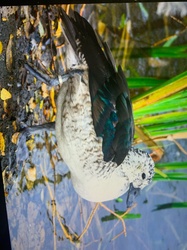
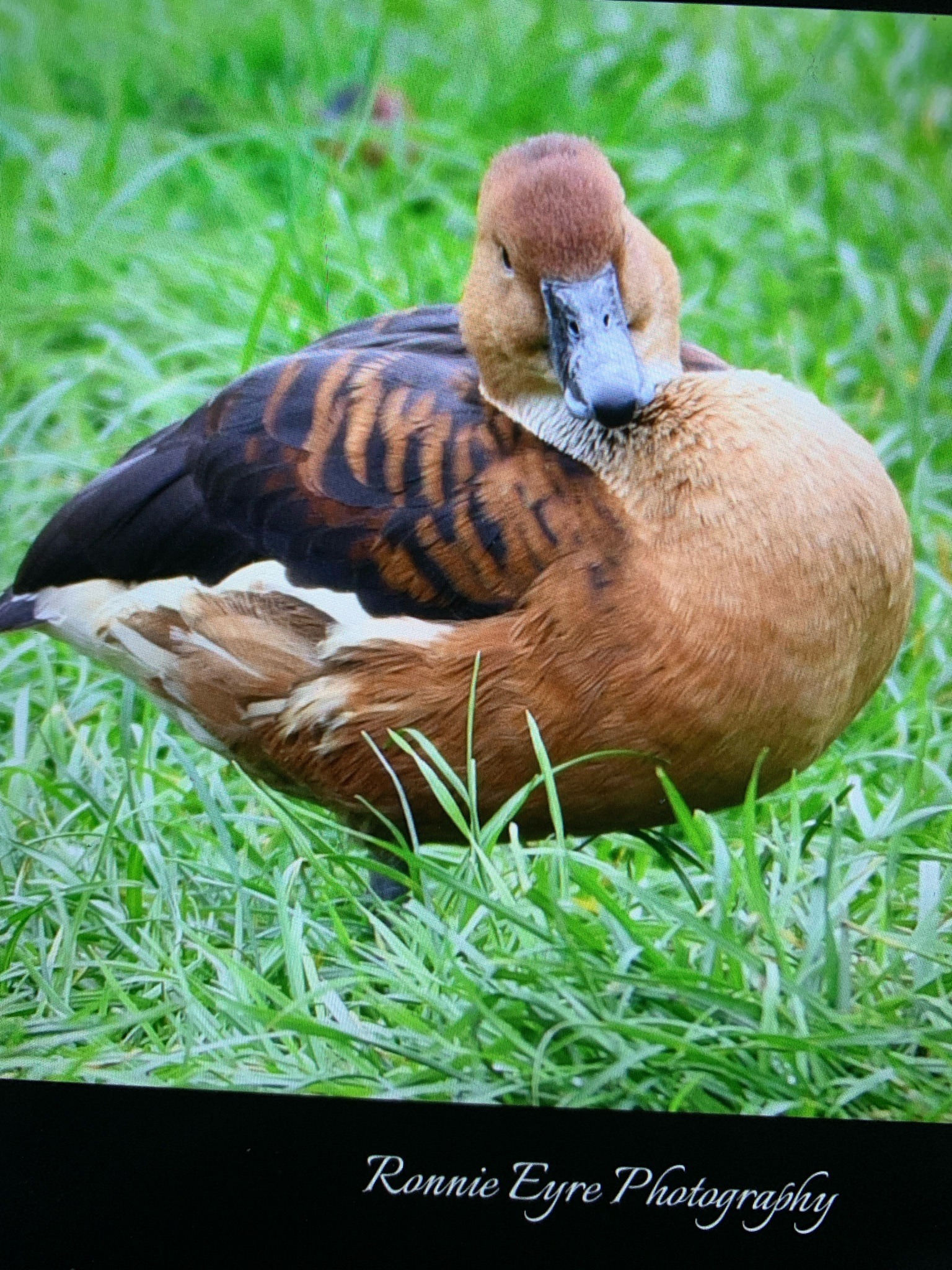
Warm rich brown head and neck, pale buff breast with distinct fine black and white barring on the flanks. Prominent long, straw-colored plumes extend from the flanks over the wings. Sexes are similar in appearance, with juveniles being duller and lacking the long flank plumes.
Key field marks
Upright stance, long pinkish legs, pale buff chest, barred flanks, and long straw-colored flank plumes hanging over the wings.
Size & weight
Length: 42–60 cm (17–24 in), Wingspan: 75–90 cm, Weight: 600–1,000 g
Voice — call & song
A loud, distinct, two-note whistling call ('chi-wii' or 'see-you') often given in flight or when disturbed.
Diet & foraging
Primarily vegetarian, feeding on grasses, seeds, and aquatic vegetation, often grazing on land like geese.
Habitat
Tropical and subtropical grasslands, savanna woodlands, wetlands, flooded pastures, and agricultural lands near permanent water sources.
Migration & movement
Nomadic to partial migrant, moving in response to wet and dry seasons and localized flooding.
Nesting & breeding
Breeds during the wet season. Nests in a shallow depression on the ground hidden in tall grass or sometimes in tree hollows. Clutch size typically ranges from 10 to 14 eggs.
Similar species
Wandering Whistling Duck (Dendrocygna arcuata), which has a darker chestnut belly and lacks the long flank plumes.
Ecological significance
Acts as a seed disperser and plays a role in aquatic and grassland food webs.
Conservation status
Least Concern, with a stable population trend.
Observation tips
Look for them grazing in open grasslands or resting near freshwater swamps, billabongs, and floodwaters. They are quite approachable in protected areas.
Interesting facts
Unlike most ducks, whistling ducks spend a lot of time on land grazing, perch readily in trees, and have a more upright, goose-like posture.
More like this