Order: Anseriformes, Family: Anatidae
Red-crested Pochard
Netta rufina
A large, distinct diving duck known for the male's vibrant orange crest and bright red bill. They are social birds often found in flocks on open water.
Explore Red-crested Pochard in the encyclopedia →Identify your own birds.
Get a report just like this from any photo or call, free.
Plumage & appearance
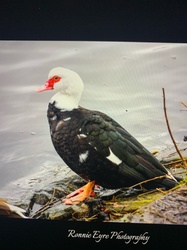
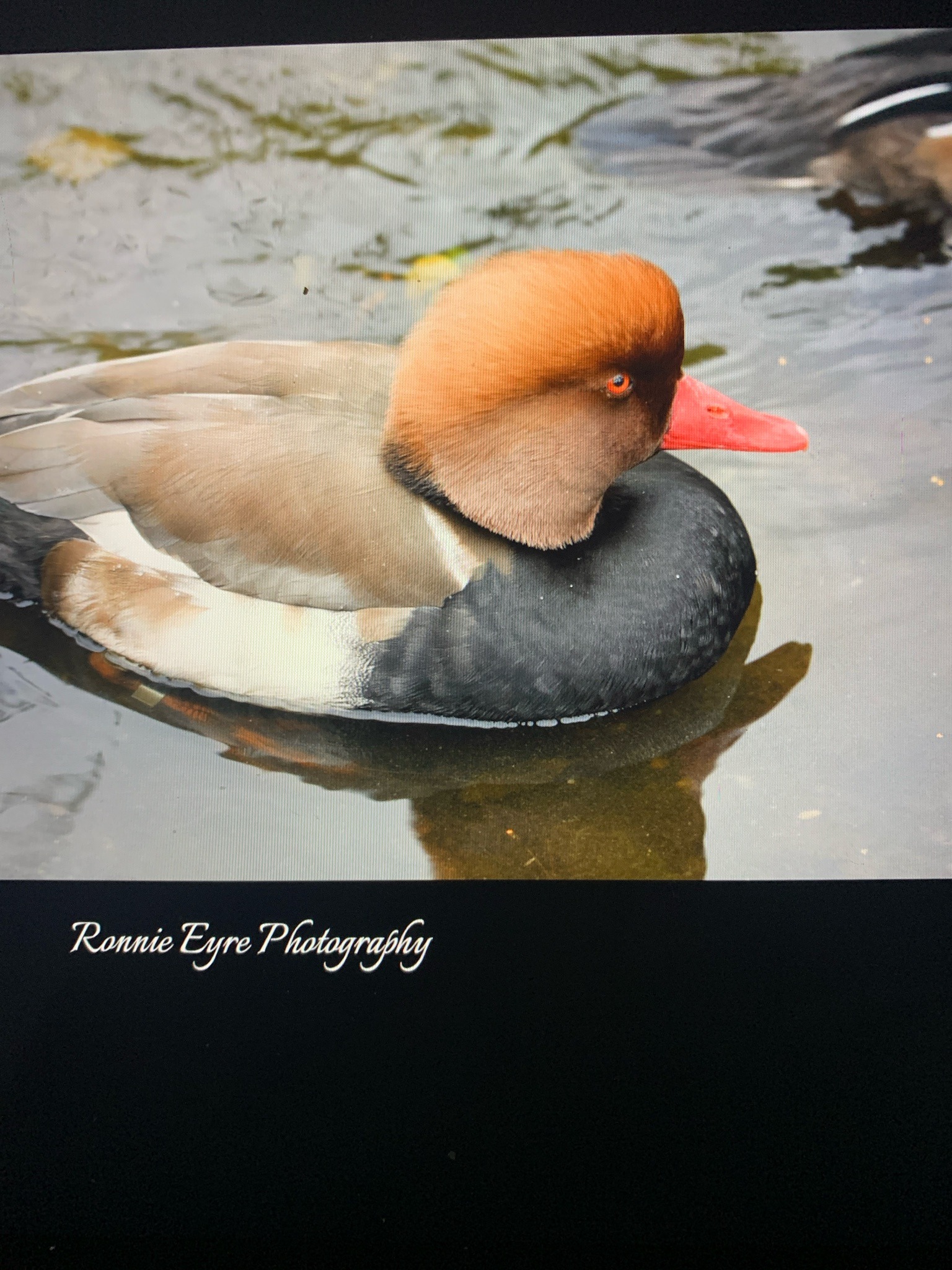
Adult males have a striking, rounded orange-red head, a bright red bill, a black breast and lower neck, brownish-grey flanks, and a white belly. Females are mostly brownish-grey with a pale face and dark crown. Non-breeding males resemble females but retain a redder bill.
Key field marks
Male: bulbous orange-red head, bright red bill, black breast, whitish flanks. Female: plain brown body with a distinctly contrasting pale face.
Size & weight
Length: 53-57 cm, Wingspan: 85-95 cm, Weight: 800-1500 g.
Voice — call & song
Quiet and generally silent outside of breeding. Males emit a low whistle or soft purr, while females give a harsh, low quack.
Diet & foraging
Primarily feeds on aquatic plants, roots, and seeds, supplemented with small fish, insects, and mollusks by dabbling or diving.
Habitat
Lowland wetlands, lakes, deep marshes, slow rivers, and brackish lagoons with dense aquatic vegetation.
Migration & movement
Partial migrant. Populations in northern and eastern parts of its range migrate south for the winter.
Nesting & breeding
Nests on the ground hidden in dense vegetation near water. Lays 6 to 12 greenish-buff eggs. Incubation lasts about 26-28 days and is performed entirely by the female.
Similar species
Canvasback or Common Pochard, but easily distinguished by the bright red-orange head and bill of the male Red-crested Pochard.
Ecological significance
Acts as a seed disperser and helps control aquatic invertebrate populations, serving as an indicator of wetland health.
Conservation status
Least Concern (LC) with a stable global population trend.
Observation tips
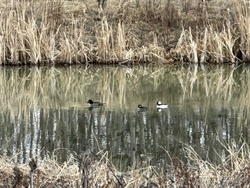
Look for them in large, reed-fringed lakes and wetlands. Using binoculars or a spotting scope near the water's edge in winter yields the best results.
Interesting facts
Unlike many diving ducks, Red-crested Pochards often feed more like dabbling ducks, tipping up to reach vegetation rather than always diving.
More like this