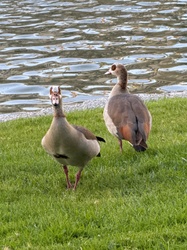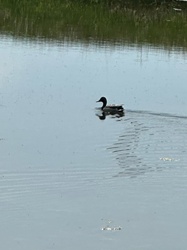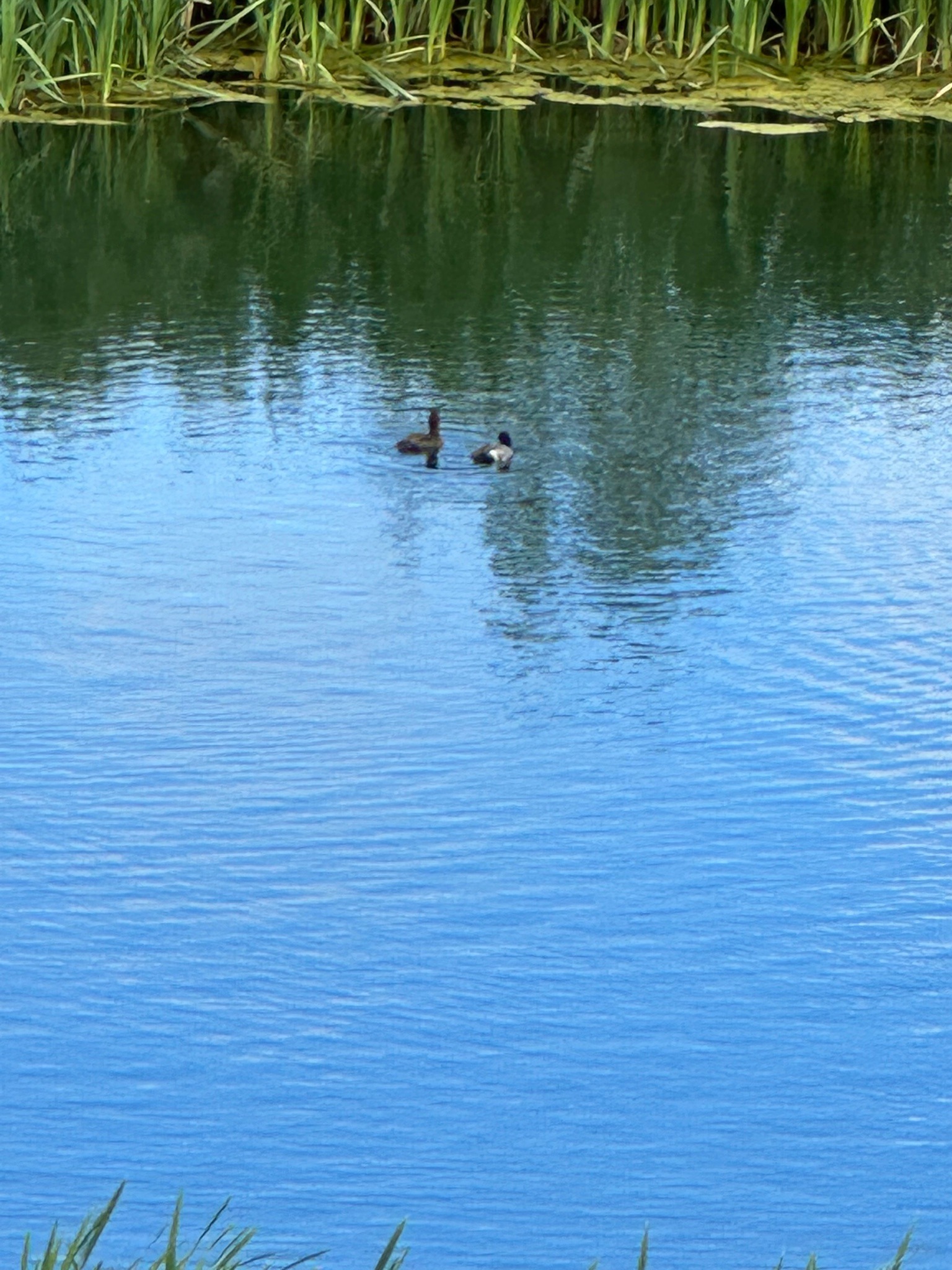
Order: Anseriformes, Family: Anatidae
Tufted Duck
Aythya fuligula
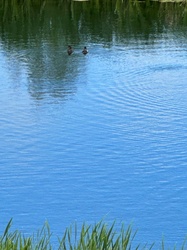
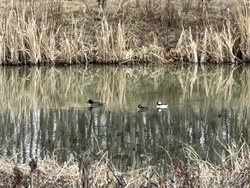
A small, chunky diving duck with a distinctive ponytail-like tuft on the back of its head. They are active swimmers and frequent divers.
Explore Tufted Duck in the encyclopedia →Identify your own birds.
Get a report just like this from any photo or call, free.
Plumage & appearance
Adult males are black with white flanks and a distinct pendant crest (tuft). Females are dark brown with paler flanks and a smaller tuft. Breeding plumage is most vibrant in late winter and spring.
Key field marks
The hanging tuft on the head, bright yellow eyes, and clean white flanks on the black male.
Size & weight
Length: 40-47 cm; Wingspan: 67-73 cm; Weight: 600-1000 g
Voice — call & song
Generally silent, but males give a soft whistle 'wi-oo' and females a growling 'kar' during courtship.
Diet & foraging
Omnivorous, primarily consuming mollusks (especially zebra mussels), aquatic insects, and some plant material by diving.
Habitat
Prefer open water with moderate depth, including lakes, reservoirs, ponds, marshes, and occasionally slow-moving rivers.
Migration & movement
Migratory in the north and east; resident or short-distance migrant in temperate western and southern Europe.
Nesting & breeding
Nests on the ground near water, often in thick vegetation or on islands. Lays 8-11 olive-grey eggs; only the female incubates.
Similar species
Greater Scaup (lacks tuft, has grey back), Ring-necked Duck (peaked head shape, white border on bill).
Ecological significance
Controls populations of aquatic invertebrates and helps in the dispersal of aquatic plant seeds.
Conservation status
Least Concern (Population stable)
Observation tips
Look for them in deep city park ponds or reservoirs; they are less shy than other diving ducks and can often be seen diving repeatedly in the middle of water bodies.
Interesting facts
The Tufted Duck has greatly expanded its range in Europe over the last century, partly due to the spread of the invasive Zebra Mussel, which is one of its favorite food sources.
More like this