Order: Anseriformes, Family: Anatidae
Garganey
Spatula querquedula
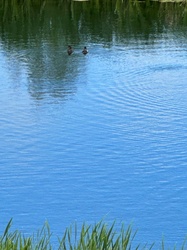
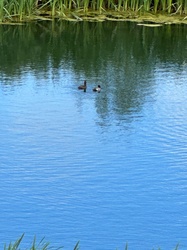
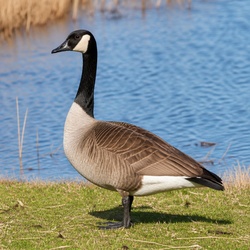
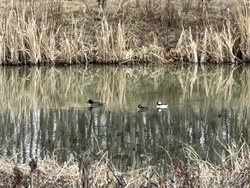
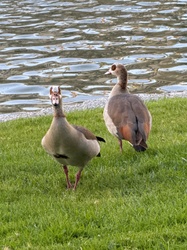
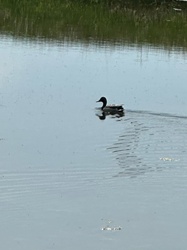
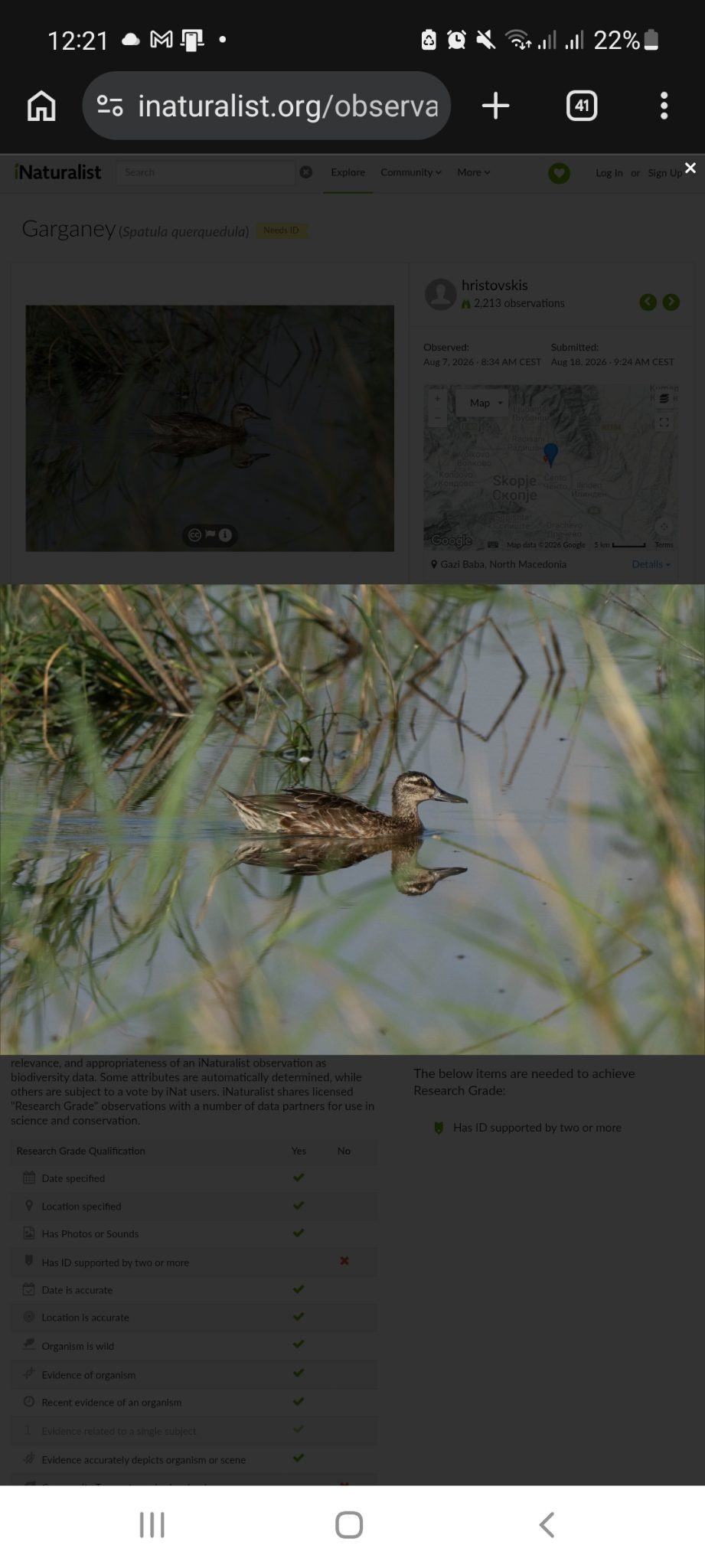
A small, dabbling duck. The individual shown is in eclipse or female-type plumage, displaying mottled brown feathers and a characteristic pale facial pattern with a dark eye stripe.
Explore Garganey in the encyclopedia →Identify your own birds.
Get a report just like this from any photo or call, free.
Plumage & appearance
Adult males in breeding plumage have a striking white supercilium curving down the dark brown head, greyish body, and long, drooping scapulars. Females and eclipse males are mottled brown with a pale throat and a distinct dark stripe through the eye.
Key field marks
Small size, dark crown with a pale supercilium in females/eclipse, pale blue-grey wing covert patch visible in flight.
Size & weight
Length: 37-41 cm, Wingspan: 59-67 cm, Weight: 300-600 g
Voice — call & song
Males produce a characteristic, rattling or crackling mechanical call during courtship. Females give a quiet quack.
Diet & foraging
Omnivorous; feeds on seeds, roots, and vegetative parts of aquatic plants, as well as aquatic insects, crustaceans, and mollusks by dabbling.
Habitat
Shallow, nutrient-rich freshwater wetlands, flooded fields, marshes, and shallow lakes with dense emergent vegetation.
Migration & movement
Strictly migratory. Highly specialized long-distance migrant that winters entirely in the tropics and subtropics, primarily in Africa and the Indian subcontinent.
Nesting & breeding
Nests on the ground hidden in dense vegetation near water. Lays 7 to 9 eggs in a shallow scrape lined with down.
Similar species
Bluewinged Teal (Spatula discors) in North America, which has a more prominent facial crescent in females and males; and the Eurasian Teal (Anas crecca), which is smaller and lacks the pale supercilium or distinct face stripe of female/eclipse Garganey.
Ecological significance
Acts as an important seed disperser for aquatic plants and helps control aquatic invertebrate populations in wetland ecosystems.
Conservation status
Least Concern, with a generally stable global population trend, though locally impacted by wetland habitat loss.
Observation tips
Look for them in shallow, heavily vegetated wetlands, marshes, and flooded meadows. They can be wary, so use binoculars or a spotting scope from a blind.
Interesting facts
Unlike many other dabbling ducks, the Garganey is a complete summer visitor to its breeding grounds and completely vacates Europe and northern Asia for the winter.
More like this