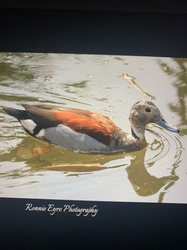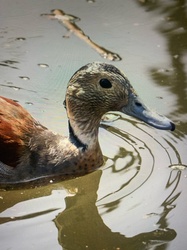
Order: Anseriformes, Family: Anatidae
Pekin Duck
Anas platyrhynchos domesticus
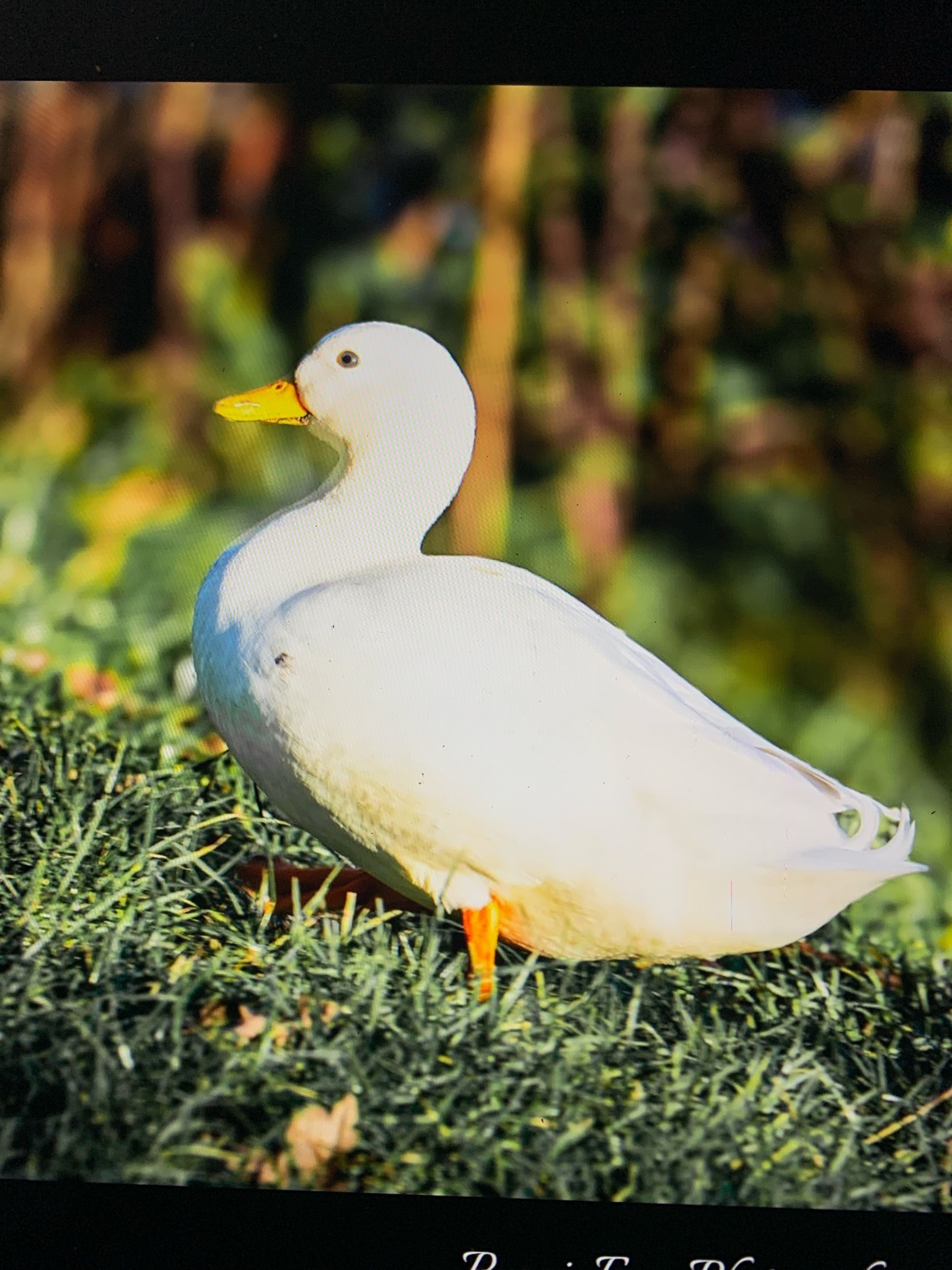
A large, heavy-bodied domestic duck with an upright posture, pure white feathers, a bright yellow bill, and orange legs. They are generally docile and cannot fly due to their heavy weight relative to their wing size.
Explore Pekin Duck in the encyclopedia →Identify your own birds.
Get a report just like this from any photo or call, free.
Plumage & appearance
Both males (drakes) and females (ducks) feature completely white plumage. The bill is bright yellow-orange, and the legs and feet are reddish-orange. Juveniles resemble adults once fully feathered in white.
Key field marks
Pure white plumage, upright bottle-shaped body posture, bright yellow-orange bill, and orange legs.
Size & weight
Length: 50-65 cm (20-25 inches). Wingspan: 85-95 cm. Weight: 3.5 to 4.5 kg (8-10 lbs).
Voice — call & song
Females produce a loud, traditional quack; males produce a much softer, raspy, higher-pitched sound.
Diet & foraging
Omnivorous. Forages on grass, weeds, seeds, aquatic plants, insects, snails, and small fish, commonly supplemented with commercial poultry feed by humans.
Habitat
Domestic farmyards, agricultural lands, urban and suburban parks with ponds, lakes, and slow-moving streams.
Migration & movement
Non-migratory. They are flightless or near-flightless domestic birds that remain in the same area year-round.
Nesting & breeding
Nests are typically shallow depressions on the ground hidden in tall grass or brush near water, lined with down feathers. Females lay clutches of 8 to 15 white or pale green eggs and incubate them for about 28 days.
Similar species
Aylesbury Duck (similar white plumage, but has a pinkish-white bill and flesh-colored legs) and White Call Duck (much smaller miniature version of the Pekin).
Ecological significance
As domestic livestock and feral birds in urban environments, they play a minor role in localized nutrient cycling and grazing on vegetation and insects, though feral populations can sometimes impact local aquatic plant life.
Conservation status
Not applicable under IUCN as they are a domesticated agricultural animal, though stable and widespread globally.
Observation tips
Easily observed in domestic farmyards, backyard coops, and public parks with ponds. They are very approachable and accustomed to human presence, often expecting food.
Interesting facts
Pekin ducks are the most popular breed of duck raised for meat and egg production in the United States. Despite their heavy build, females are prolific egg layers, often producing over 200 eggs per year.
More like this