Order: Anseriformes, Family: Anatidae
Fulvous Whistling-Duck
Dendrocygna bicolor
A medium-sized, long-legged, long-necked duck with an upright, goose-like posture. It is known for its slow, steady wingbeats in flight and its characteristic whistling calls.
Explore Fulvous Whistling-Duck in the encyclopedia →Identify your own birds.
Get a report just like this from any photo or call, free.
Plumage & appearance
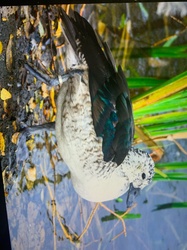
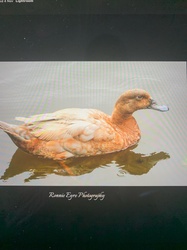
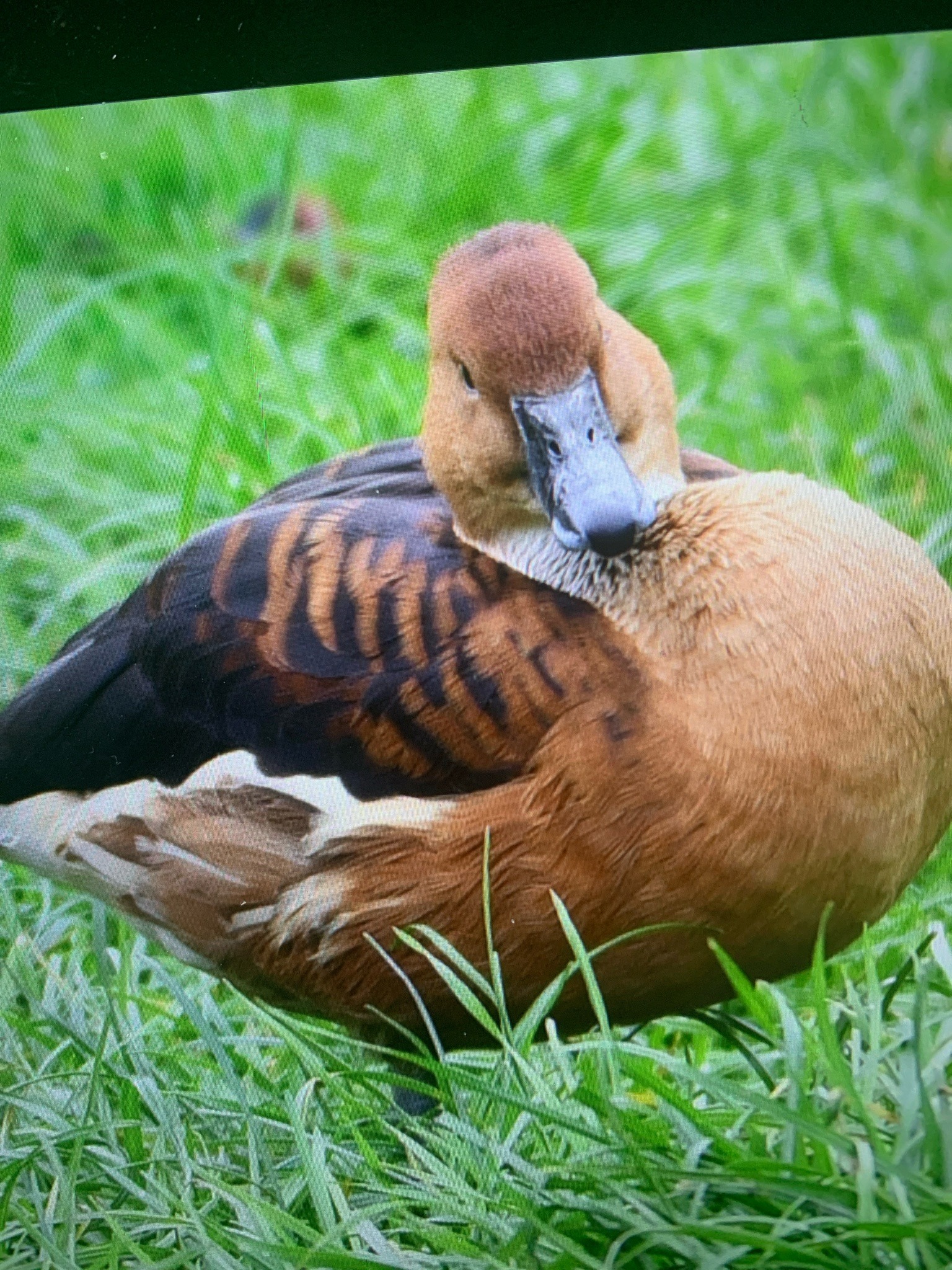
Warm tawny-buff to cinnamon overall with a darker brown crown and nape. The back and wings are dark brown with rich rufous and black feather fringes. It features long, creamy-white flank plumes that form a distinct stripe along the side, and a dark tail with a white uppertail cover. Sexes are similar in appearance, and juveniles are duller with less distinct markings.
Key field marks
Uniform tawny-buff coloration, dark stripe down the back of the neck, dark wings with rufous fringes, and striking white flank plumes.
Size & weight
Length: 45-53 cm (18-21 in); Wingspan: 85-93 cm (33-37 in); Weight: 500-900 g (1.1-2.0 lbs).
Voice — call & song
A characteristic, clear, repeating two-note whistle ('kee-wee' or 'pe-cheeeu') often given in flight or when disturbed.
Diet & foraging
Primarily vegetarian, feeding on seeds of grasses, sedges, and aquatic plants, as well as cultivated grains like rice. Occasionally consumes aquatic insects and small invertebrates by dabbling or grazing on land.
Habitat
Shallow freshwater marshes, flooded agricultural fields (especially rice paddies), shallow lakes, lagoons, and swamps with abundant emergent vegetation.
Migration & movement
Generally resident or partially migratory. Northern North American populations migrate south for the winter, while tropical populations are largely sedentary with some nomadic movements related to rainfall.
Nesting & breeding
Nests on the ground hidden in dense vegetation, occasionally in tree cavities or abandoned nests of other birds. Clutch size ranges from 10 to 14 white eggs. Both parents share incubation duties lasting about 24-26 days.
Similar species
Other whistling-duck species such as the Black-bellied Whistling-Duck, which can be distinguished by its bright pinkish-red bill, black belly, and gray face.
Ecological significance
Acts as an important seed disperser for aquatic plants and serves as prey for various wetland predators, contributing to nutrient cycling in wetland ecosystems.
Conservation status
Least Concern, with a widespread global population, though local populations can be affected by wetland degradation and hunting.
Observation tips
Look for them standing upright on mudflats, grassy banks, or agricultural fields near water. They are often active at dusk and dawn, and can be spotted resting or roosting in flocks.
Interesting facts
Unlike most typical ducks, whistling-ducks form strong, lifelong pair bonds, and both parents actively participate in raising the young. They also spend a significant amount of time perched in trees.
More like this