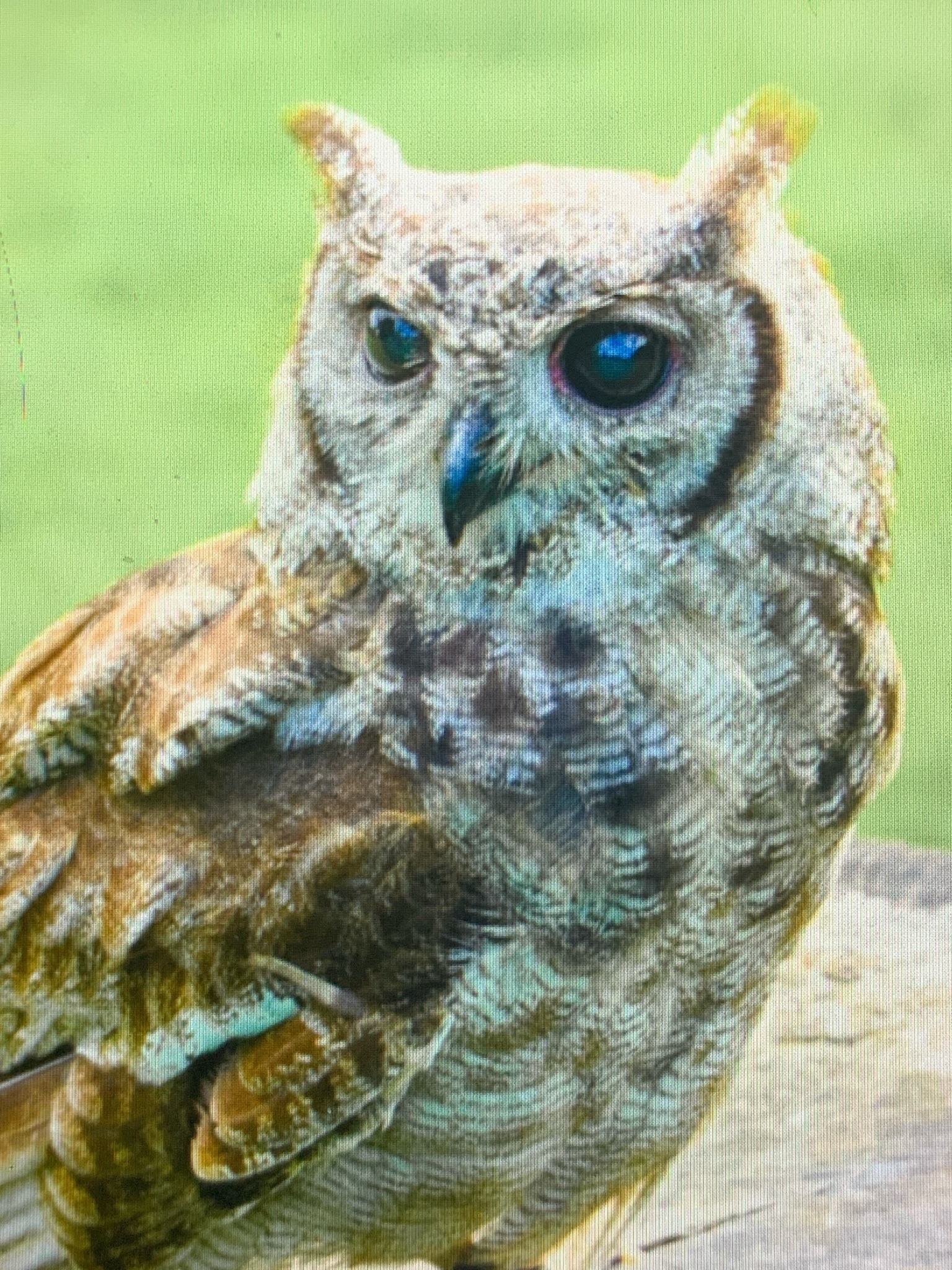
Order: Strigiformes, Family: Strigidae
Indian Eagle-Owl
Bubo bengalensis
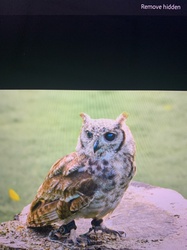
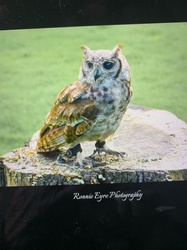
A large, powerful owl with prominent ear tufts and striking dark eyes. It is primarily nocturnal, perching quietly in rocky outcrops, scrub forests, or large trees during the day.
Explore Indian Eagle-Owl in the encyclopedia →Identify your own birds.
Get a report just like this from any photo or call, free.
Plumage & appearance
Mottled grey-brown and buff plumage with heavy dark brown streaking and fine vermiculations. Underparts are pale buff with dark streaks. Prominent ear tufts and large dark brown eyes. Sexes are similar in appearance, though females are typically slightly larger and heavier than males.
Key field marks
Large size, prominent ear tufts, dark brown eyes, mottled grey-brown upperparts, and heavily streaked underparts.
Size & weight
Length: 50-56 cm; Wingspan: approximately 100-130 cm; Weight: 1,100-1,500 grams
Voice — call & song
A deep, resonant, two-note booming hoot, often described as 'whoo-hoo' or 'tu-whoo', usually heard during the breeding season.
Diet & foraging
Predominantly feeds on rodents, small mammals, birds, reptiles, and large insects, hunting primarily from a perch and dropping onto prey.
Habitat
Rocky scrub forests, wooded ravines, stony hills with bush vegetation, and occasionally agricultural areas with mature trees.
Migration & movement
Non-migratory resident bird, remaining in its established territory year-round.
Nesting & breeding
Breeds from November to April. Nests are typically scrapes on bare ground, rocky ledges, earth banks, or occasionally in the hollow of a large tree. Clutch size is usually 2 to 4 white eggs.
Similar species
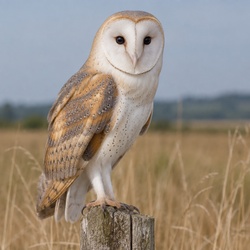
Eurasian Eagle-Owl (Bubo bubo), which is larger, darker, and has orange-yellow eyes rather than dark brown eyes.
Ecological significance
Acts as an apex nocturnal predator, helping to control populations of rodents, small mammals, and large insects, thereby maintaining balance in its ecosystem.
Conservation status
Least Concern (LC) with a stable population trend according to the IUCN Red List
Observation tips
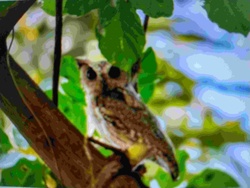
Look for them at dusk and dawn near rocky hillsides, scrub forests, or mature mango groves. They often roost on rocky ledges or large branches of old trees during the day.
Interesting facts
In Indian folklore, the Indian Eagle-Owl is sometimes associated with bad omens, but it is also traditionally linked with Lakshmi, the Hindu goddess of wealth, as her sacred mount (vahan).
More like this