Order: Strigiformes, Family: Strigidae
African Scops Owl
Otus senegalensis
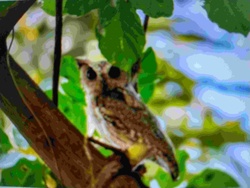
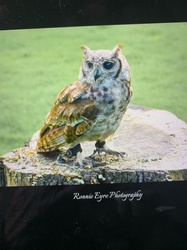
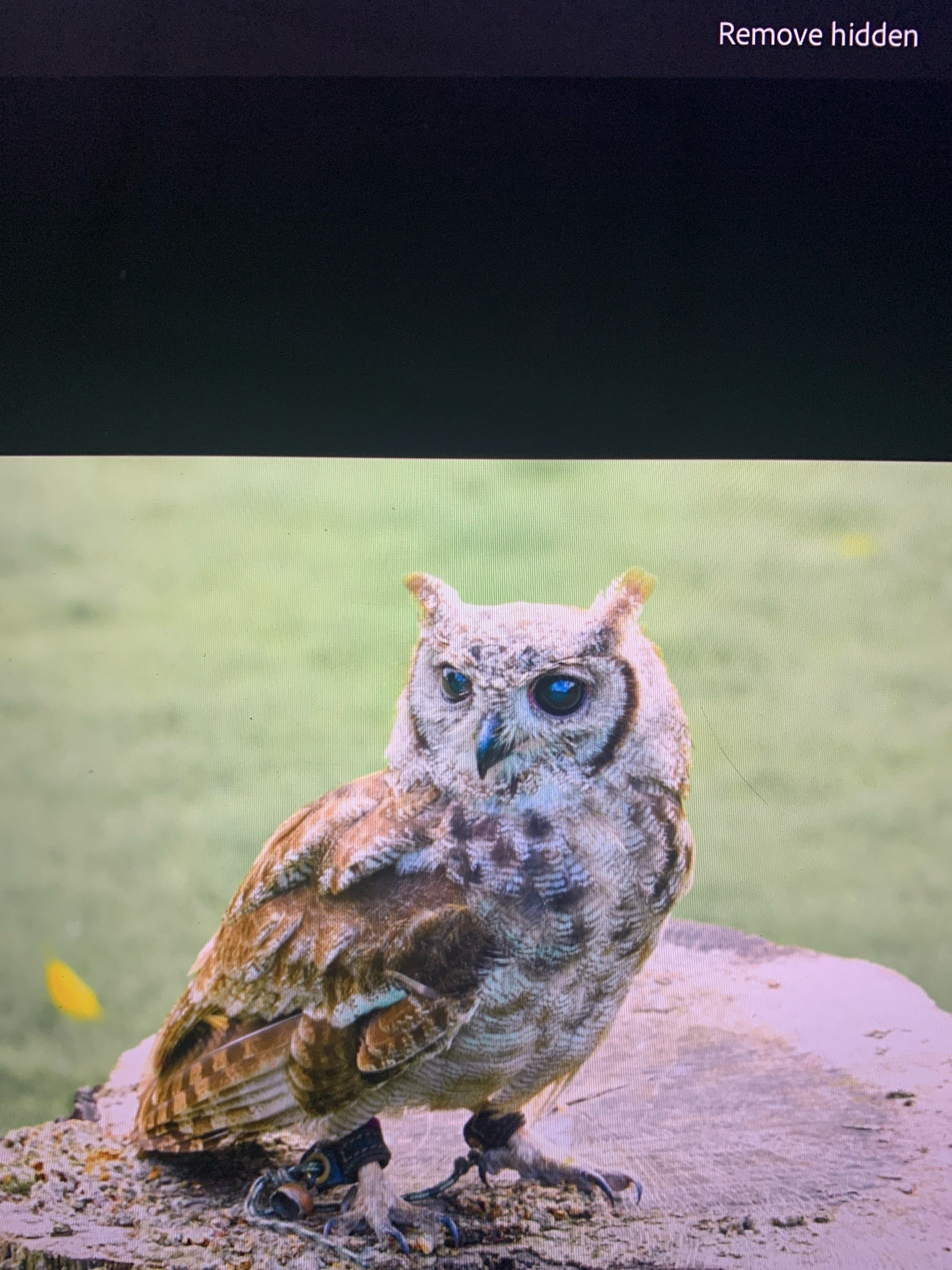
A very small, nocturnal owl featuring prominent ear tufts, bright yellow to orange eyes, and finely patterned cryptic plumage. It is adept at freezing motionless against tree trunks to remain hidden.
Explore African Scops Owl in the encyclopedia →Identify your own birds.
Get a report just like this from any photo or call, free.
Plumage & appearance
Cryptic grey-brown, rufous, and buff plumage intricately patterned with fine vermiculations and dark streaks, helping it blend seamlessly into tree bark. Sexes are similar in appearance, though females can be slightly larger.
Key field marks
Small size, prominent ear tufts, yellow eyes, finely vermiculated grey-brown or rufous plumage.
Size & weight
Length: 15–17 cm; Wingspan: approximately 40–45 cm; Weight: 50–100 g.
Voice — call & song
A soft, monotonous, musical single-note hoot or whistle repeated at regular intervals, often described as a repetitive 'tpuk' or soft 'whoo'.
Diet & foraging
Primarily insectivorous, feeding on beetles, moths, grasshoppers, mantids, and occasionally small reptiles or rodents, hunting mainly by dropping down from a perch.
Habitat
Savannas, open woodlands, thorn scrub, riverine forests, and occasionally gardens or urban parks with mature trees.
Migration & movement
Resident (non-migratory), though some local nomadic movements may occur in response to seasonal rainfall or food availability.
Nesting & breeding
Utilizes natural tree cavities, old woodpecker holes, or sometimes abandoned nests of other birds. Clutch size is typically 2 to 4 white eggs, incubated solely by the female while the male provides food.
Similar species
African Pygmy Owl (lacks ear tufts and is smaller) and other scops owl species which require geographic distribution or vocalizations for definitive separation.
Ecological significance
Acts as an effective apex predator for small invertebrates and insects, helping to naturally regulate pest populations in its ecosystem.
Conservation status
Least Concern, with a stable and widespread global population trend.
Observation tips
Look for them roosting close to tree trunks during the day, often betrayed by small mobbing birds or by spotting their silhouette at dusk; use a flashlight carefully at night to catch the reflection of their eyes.
Interesting facts
Despite their fierce predatory nature on insects, African Scops Owls are heavily preyed upon by larger owls and diurnal raptors, relying almost entirely on their exceptional camouflage for survival.
More like this