Order: Strigiformes, Family: Tytonidae
Barn Owl
Tyto alba
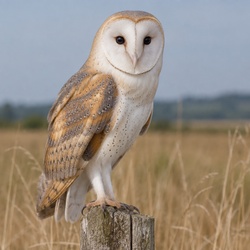
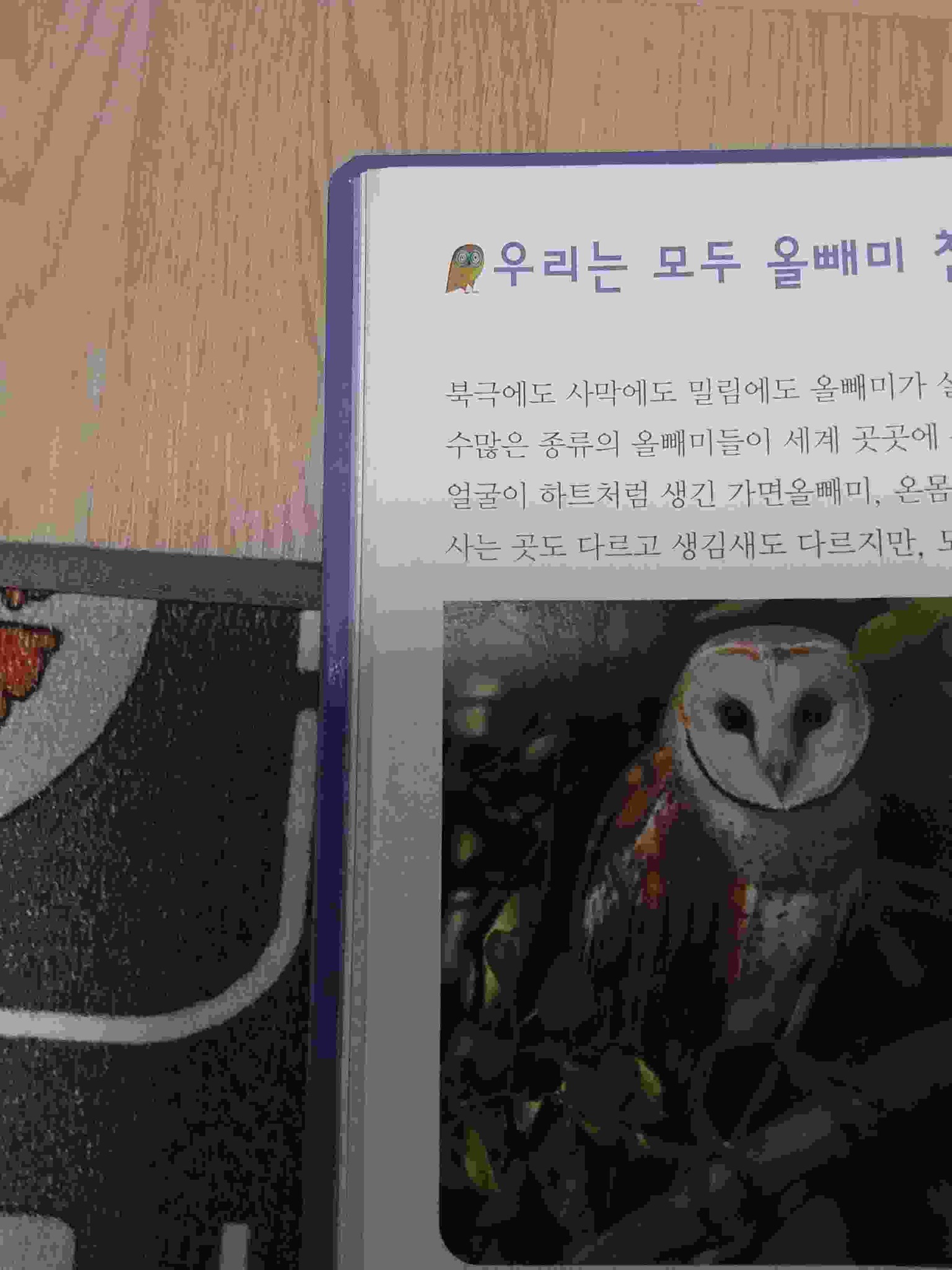
A distinctive, medium-sized owl known for its ghostly appearance, screeching call, and heart-shaped face. It is a nocturnal hunter of small mammals.
Explore Barn Owl in the encyclopedia →Identify your own birds.
Get a report just like this from any photo or call, free.
Plumage & appearance
Pale, heart-shaped facial disk. Golden-brown upperparts with grey and white speckling. White to buff underparts with small dark spots. Females tend to have more spots.
Key field marks
Heart-shaped white face, dark eyes, long legs, white underparts, and lack of ear tufts.
Size & weight
Length: 33-39 cm; Wingspan: 80-95 cm; Weight: 250-700 g.
Voice — call & song
Does not hoot; makes a long, eerie, raspy screech and various hissing sounds.
Diet & foraging
Primarily small mammals like voles, mice, and shrews; occasionally small birds and insects.
Habitat
Open country, farm fields, grasslands, and marshes; adapts well to human-modified landscapes.
Migration & movement
Mainly resident; some northern populations may move slightly south during harsh winters.
Nesting & breeding
Cavity nester; uses barns, silos, and trees. Lays 2-18 eggs. Monogamous; both parents care for young.
Similar species
Masked Owl (larger, darker face) and Sooty Owl (much darker plumage). Distinguished by its bright white/pale heart-shaped face.
Ecological significance
Highly important for rodent control, significantly reducing populations of mice, rats, and voles near agricultural areas.
Conservation status
Least Concern (IUCN); population trends vary by region but generally stable globally.
Observation tips
Look for them hunting over open fields, marshes, and meadows at twilight. Often nests in old barns, church steeples, or hollow trees.
Interesting facts
Barn owls have exceptionally sensitive hearing and can hunt in total darkness using sound alone. Their feathers are fringed for silent flight.
More like this