Order: Charadriiformes, Family: Laridae
Black-legged Kittiwake
Rissa tridactyla
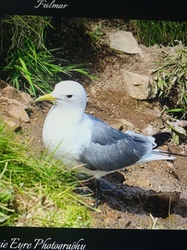
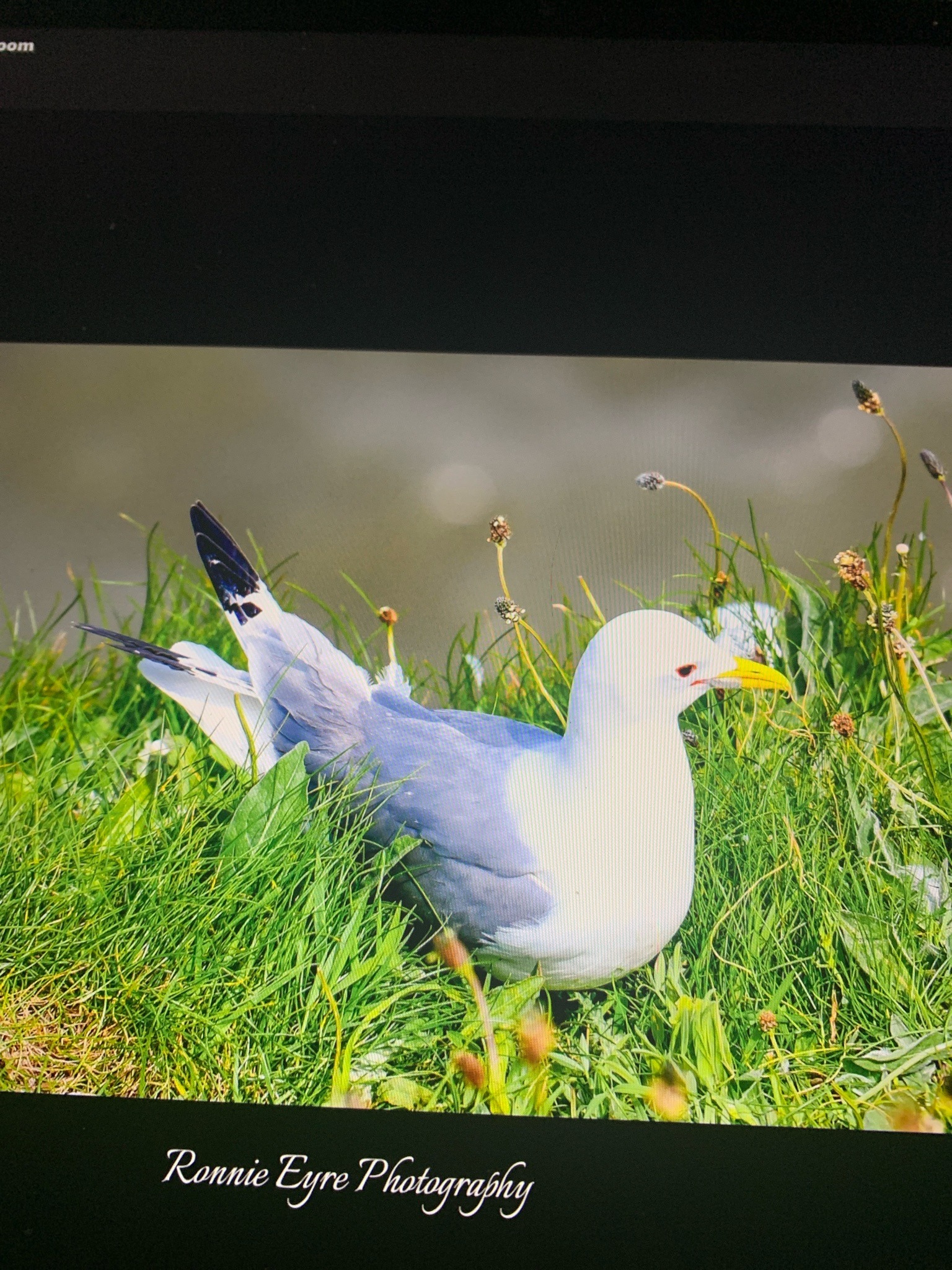
A small, graceful pelagic gull with a yellow bill, dark eyes, short black legs, and solid black wingtips lacking white mirrors. Highly adapted to cliff-nesting and spending most of its life at sea.
Explore Black-legged Kittiwake in the encyclopedia →Identify your own birds.
Get a report just like this from any photo or call, free.
Plumage & appearance
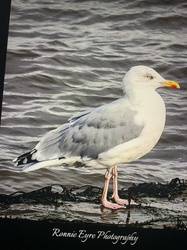
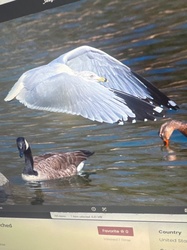
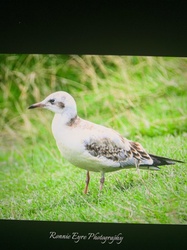
Adults have a white head, neck, underparts, and tail, with pearl-gray mantle and upperwings. The wingtips are characteristically solid black, looking as though they were 'dipped in ink'. In non-breeding plumage, they develop a dark gray smudge behind the eye and on the hindneck. Juveniles have a distinct black W-pattern across the wings, a black collar on the hindneck, and a black terminal band on the tail.
Key field marks
Pure yellow bill, dark eye, short dark legs, pearl-gray back, and entirely black wingtips with no white spots at the tips.
Size & weight
Length: 38-40 cm, Wingspan: 90-100 cm, Weight: 300-500 g
Voice — call & song
Named after its distinctive, high-pitched call which sounds like 'kitt-i-waake' or 'kidded-a-wake', frequently repeated at the breeding colony.
Diet & foraging
Primarily small schooling fish like sand lance, capelin, and herring, as well as zooplankton, crustaceans, and squid. Forages by surface-dipping or shallow plunging into the water.
Habitat
Pelagic marine environments during the non-breeding season; steep coastal cliffs, sea stacks, and rocky ledges during the breeding season.
Migration & movement
Migratory; spends the non-breeding winter months far out at sea in the open North Atlantic and North Pacific, often well away from land.
Nesting & breeding
Nests in dense colonies on extremely narrow, vertical cliff ledges. Constructs a sturdy cup nest out of mud, moss, and seaweed cemented together. Usually lays 1 to 3 eggs, incubated by both parents.
Similar species
Other medium-sized gulls like the Common Gull or Mew Gull, but distinguished instantly by the completely black wingtips ('dipped in ink'), all-yellow bill without markings, dark eye, and strictly cliff-nesting habits.
Ecological significance
Acts as an important bioindicator for marine ecosystem health and pelagic fish populations, particularly sand lance and capelin. Their breeding success often reflects changes in ocean temperatures and food availability.
Conservation status
Vulnerable (IUCN), with populations experiencing rapid declines due to climate change and warming ocean waters reducing their prey availability.
Observation tips
Best observed during the breeding season by visiting steep coastal sea cliffs and colonies on islands or headlands. Bring binoculars or a spotting scope to scan cliff ledges.
Interesting facts
Unlike most gulls that nest on the ground, kittiwakes are uniquely specialized for nesting on precarious, vertical cliff ledges where mammalian predators cannot reach them. Their chicks have an instinctive behavior not to back up or walk off ledges.
More like this