Order: Charadriiformes, Family: Laridae
European Herring Gull
Larus argentatus
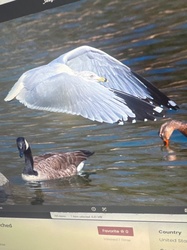
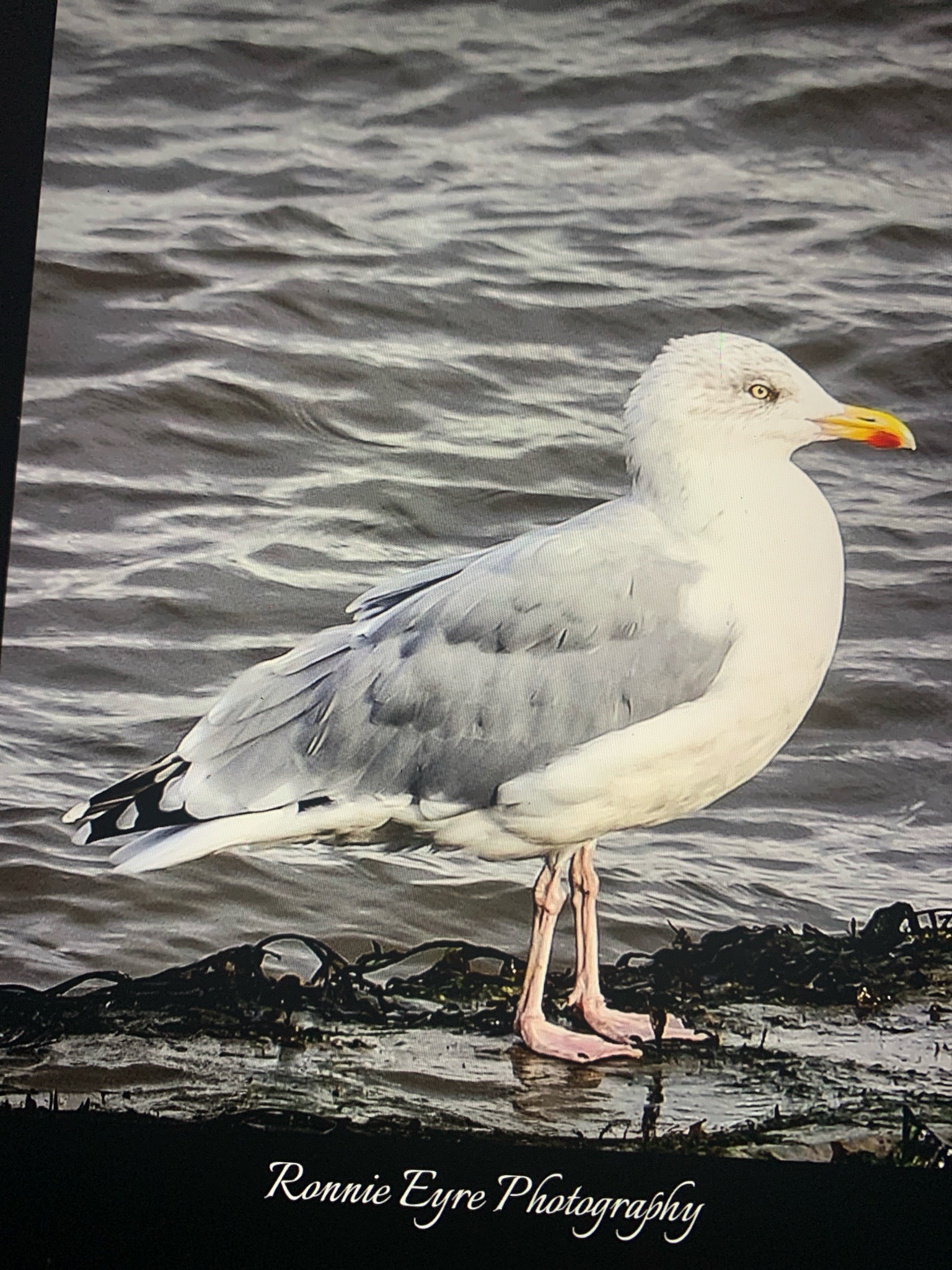
A large, robust gull with a heavy yellow bill, pale grey upperparts, pink legs, and characteristic white spots on the black wingtips. They are opportunistic, intelligent, and often vocal birds found near water and human habitations.
Explore European Herring Gull in the encyclopedia →Identify your own birds.
Get a report just like this from any photo or call, free.
Plumage & appearance
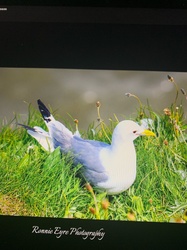
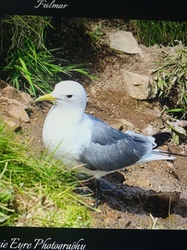
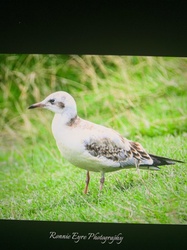
Adults have a white head, neck, and underparts, a pale grey back and upperwings, and black wingtips with white spots (mirrors). The legs are typically pink, and the bill is yellow with a prominent red spot on the lower mandible. Juveniles and immatures are mottled brown with dark bills and take up to four years to reach adult plumage.
Key field marks
Large size, pale grey mantle, pink legs, yellow bill with red lower mandible spot, white head (in summer), and black wingtips with distinct white spots.
Size & weight
Length: 55-66 cm, Wingspan: 130-158 cm, Weight: 700-1,500 g
Voice — call & song
Famous for its loud, raucous 'laughing' calls, yelps, and mews. The classic long call starts with a choked note followed by a series of rising and falling yelps with the head thrown back.
Diet & foraging
Omnivorous and opportunistic. Eats fish, crustaceans, mollusks, insects, small mammals, bird eggs and chicks, seeds, fruit, refuse, and carrion.
Habitat
Coasts, rocky shores, sandy beaches, estuaries, cliffs, marine waters, and inland near lakes, rivers, agricultural fields, and urban areas.
Migration & movement
Northern populations are migratory, moving south for the winter, while western and southern European populations are largely resident or short-distance dispersers.
Nesting & breeding
Breeds in colonies on coastal cliffs, islands, sand dunes, or sometimes rooftops. Constructs a ground scrape lined with grass, seaweed, and feathers. Clutch size is typically 2-3 eggs, incubated by both parents for around 28-30 days.
Similar species
Yellow-legged Gull (differs by having brighter yellow legs and darker grey back), Lesser Black-backed Gull (has dark slate-grey upperparts), and Caspian Gull (slenderer with a longer, parallel-sided bill and different head shape).
Ecological significance
Acts as an opportunistic scavenger and top predator in coastal and inland ecosystems, helping to clean up organic waste while transferring marine nutrients to terrestrial environments.
Conservation status
Least Concern, though populations in some regions have experienced localized declines due to habitat loss and changes in waste management practices.
Observation tips
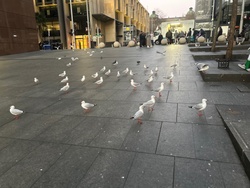
Easily observed around coastlines, harbors, beaches, and increasingly inland at landfills and large parking lots. Use binoculars for studying wingtip patterns and age-related plumage variations.
Interesting facts
Herring gulls have complex social structures and communicate through a rich repertoire of postures and vocalizations. They are also known to use bread or other food as bait to lure fish.
More like this