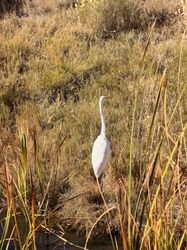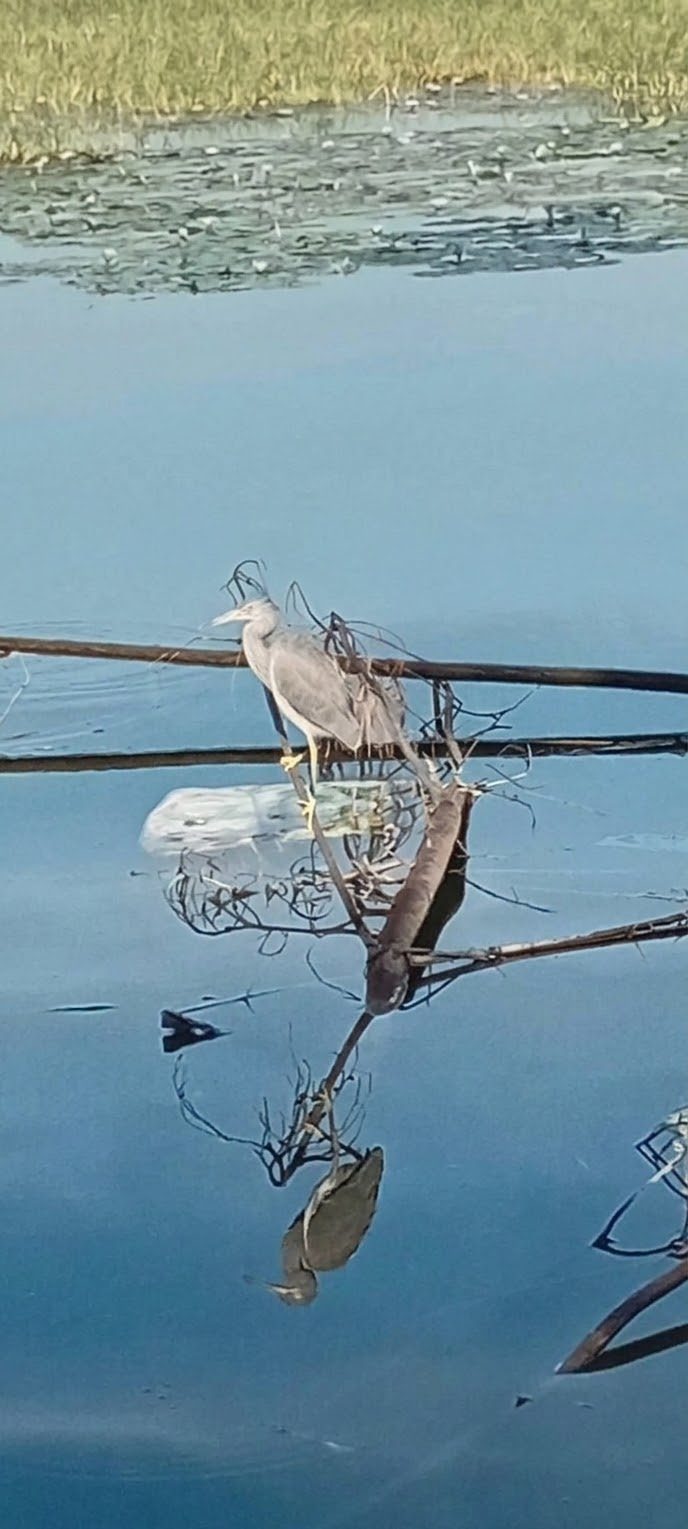
Order: Pelecaniformes, Family: Ardeidae
Indian Pond Heron
Ardeola grayii
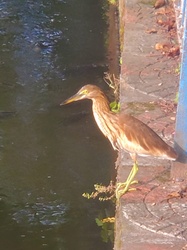
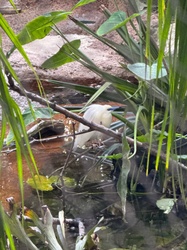
A stocky, small heron with a relatively short neck, short thick bill, and buff-brown body. When stationary in non-breeding plumage, it is remarkably well-camouflaged and difficult to spot among aquatic vegetation, but transforms dramatically in flight due to its brilliant white wings.
Explore Indian Pond Heron in the encyclopedia →Identify your own birds.
Get a report just like this from any photo or call, free.
Plumage & appearance
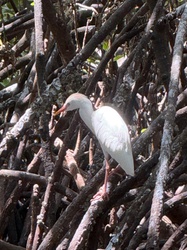
In breeding plumage, it has chestnut-brown back, yellowish head and neck with white streaks, and long white plumes. In non-breeding plumage (often called 'wagon-wheel' or cryptic phase), the plumage is dull grey-brown with streaked head and neck, but it still reveals striking stark white wings in flight.
Key field marks
Stocky build, yellow-green legs, yellowish bill with a dark tip, cryptic grey-brown body at rest, and flashing stark white wings during flight.
Size & weight
Length: 42-45 cm, Wingspan: 75-90 cm, Weight: 250-400 g
Voice — call & song
Usually silent, but emits a harsh, croaking alarm call when suddenly flushed.
Diet & foraging
Primarily small fish, aquatic insects, frogs, crustaceans, and occasionally terrestrial insects like grasshoppers. Forages by standing motionless and striking quickly with its bill.
Habitat
Wetlands, marshes, paddy fields, lakeshores, riversides, and damp grasslands.
Migration & movement
Resident, with some local dispersive movements during dry seasons or floods.
Nesting & breeding
Builds a loose stick platform nest in trees, bushes, or bamboo groves, often in mixed colonies with other waterbirds. Clutch size typically ranges from 3 to 5 pale greenish-blue eggs.
Similar species
Chinese Pond Heron and Javan Pond Heron, which are extremely similar in appearance; separation is mainly based on geographical range and subtle differences in breeding plumage.
Ecological significance
Acts as an important predator in aquatic and wetland food webs, helping control populations of small fish, amphibians, and aquatic insects.
Conservation status
Least Concern (IUCN), with stable populations widely distributed across its range.
Observation tips
Look along the edges of shallow wetlands, ponds, marshes, and paddy fields. They stand motionless waiting for prey, so scanning slowly near vegetation is effective.
Interesting facts
Often referred to as the 'paddy bird' because of its frequent presence in flooded rice paddies. When perched, its drab colors make it nearly invisible, earning it a reputation for magical disappearing acts.
More like this