Order: Pelecaniformes, Family: Ardeidae
Indian Pond Heron
Ardeola grayii
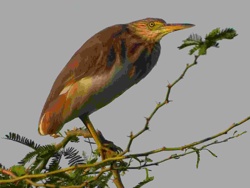
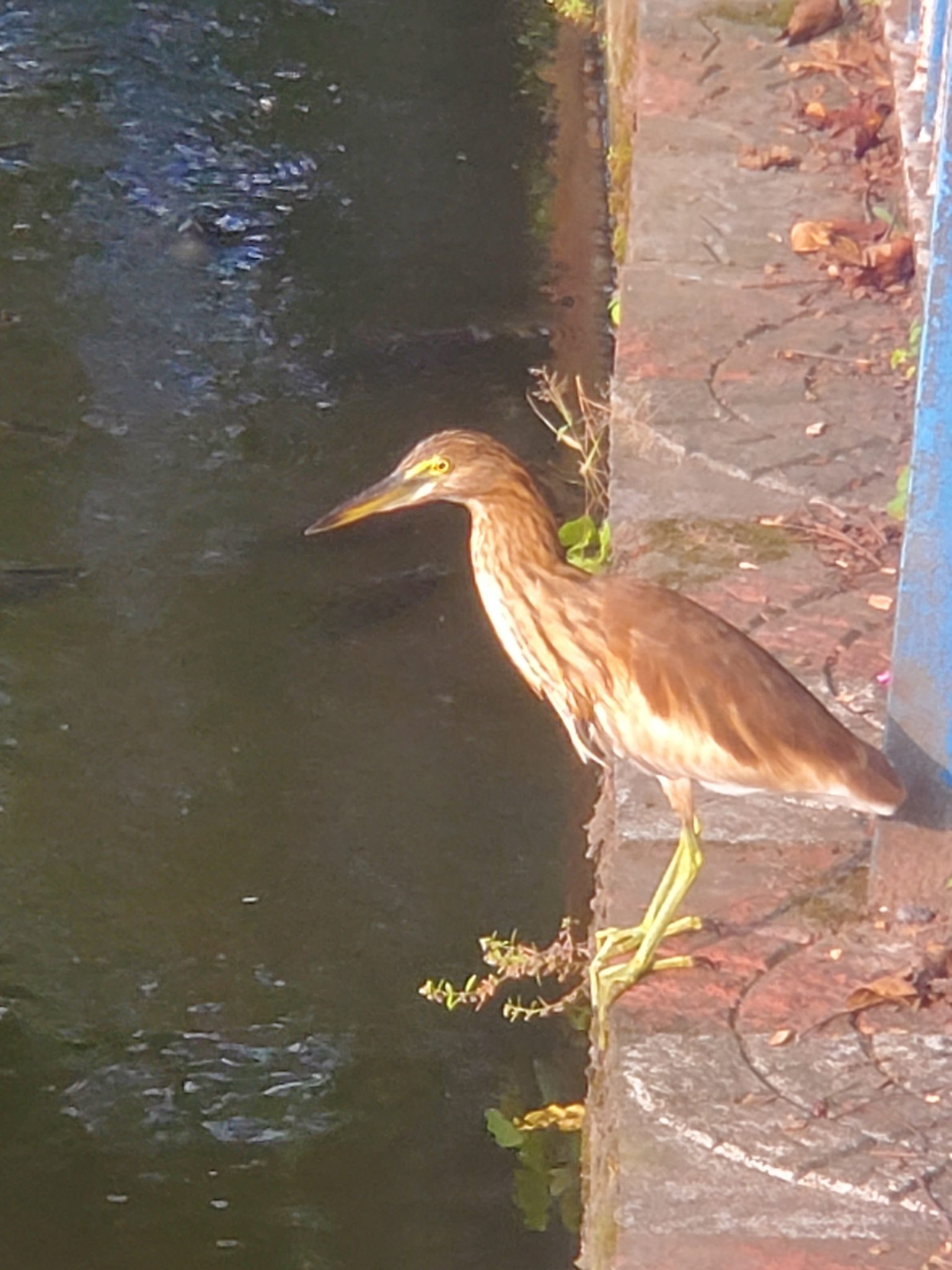
A small, compact heron with a stocky build, short neck, and yellowish legs. It often appears rather drab and well-camouflaged when standing motionless by water, but transforms dramatically in flight due to its brilliant white wings.
Explore Indian Pond Heron in the encyclopedia →Identify your own birds.
Get a report just like this from any photo or call, free.
Plumage & appearance
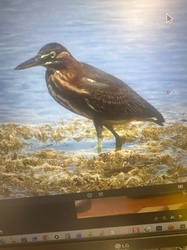
Non-breeding plumage is streaked grayish-brown and dull yellowish. Breeding plumage features rich chestnut-brown back feathers, buff head and neck with fine streaks, and striking white wings that flash in flight. Sexes look alike; juveniles resemble non-breeding adults with heavier streaking.
Key field marks
Buff-brown streaked head and neck, chestnut back (in breeding season), yellowish bill with a dark tip, and stark white wings contrasting sharply against the body in flight.
Size & weight
Length: 42-45 cm, Wingspan: 75-90 cm, Weight: 250-400 g
Voice — call & song
Usually silent, but emits a harsh, croaking alarm call when suddenly flushed.
Diet & foraging
Carnivorous; feeds on fish, frogs, crabs, aquatic insects, and occasionally small reptiles.
Habitat
Freshwater wetlands, marshes, ponds, lakes, mangroves, riversides, and flooded agricultural fields such as paddy fields.
Migration & movement
Mostly resident, though some local or seasonal movements occur in response to water availability.
Nesting & breeding
Builds a platform nest of twigs in trees or bushes, often near water or in colonies with other waterbirds. Lays 3-5 pale greenish-blue eggs.
Similar species
Chinese Pond Heron (Ardeola bacchus) and Javan Pond Heron (Ardeola speciosa), which are very difficult to distinguish from the Indian Pond Heron outside of their breeding ranges and seasons due to nearly identical non-breeding plumage.
Ecological significance
Acts as an important predator controlling populations of aquatic insects, frogs, small fish, and crustaceans in wetland and agricultural ecosystems.
Conservation status
Least Concern, with a stable and widespread population.
Observation tips
Look for them standing completely still at the water's edge, in marshes, ponds, or even wet agricultural fields like rice paddies. Approach slowly, as they can flush suddenly when startled.
Interesting facts
Often nicknamed the 'paddy bird' due to its frequent presence in rice paddy fields where it patiently waits for prey stirred up by farming activities.
More like this