Order Strigiformes, Family Strigidae
Barred Owl
Strix varia
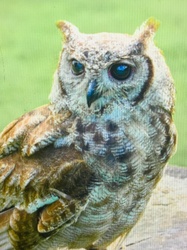
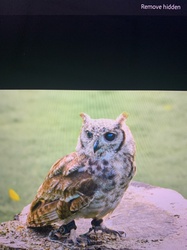
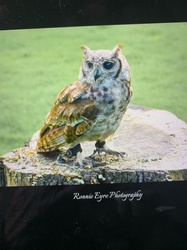
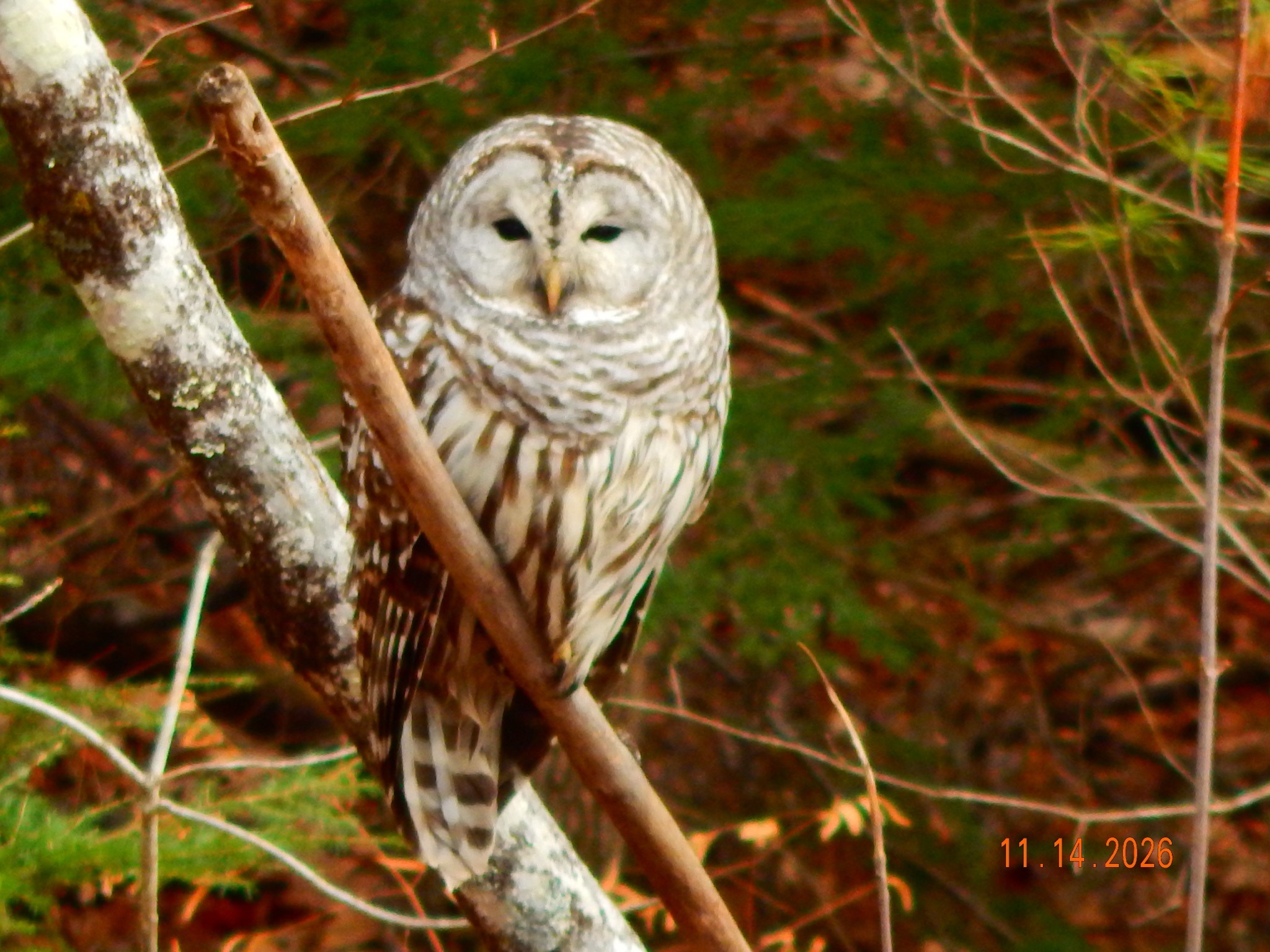
A large, stocky owl with a rounded head lacking ear tufts. Notable for its dark brown or nearly black eyes and a pale facial disc outlined in dark feathers.
Explore Barred Owl in the encyclopedia →Identify your own birds.
Get a report just like this from any photo or call, free.
Plumage & appearance
Mottled brown and white plumage featuring horizontal bars on the neck and chest, and vertical brown streaks on the belly. The back and wings are barred brown and white. Sexes are similar in appearance, though females are typically larger.
Key field marks
Dark brown eyes, lack of ear tufts, horizontally barred neck and upper breast, vertically streaked lower belly, and a pale facial disc with a dark rim.
Size & weight
Length: 40-63 cm (17-25 inches), Wingspan: 96-125 cm (38-49 inches), Weight: 500-1,050 g (1.1-2.3 lbs)
Voice — call & song
Famous for its rhythmic territorial call often described as, 'Who cooks for you, who cooks for you-all?' Also makes a wide variety of raucous screeches, caws, and hoots.
Diet & foraging
Primarily carnivorous, feeding on small mammals like mice, voles, and squirrels, as well as rabbits, birds, amphibians, reptiles, and invertebrates. Hunts mainly from a perch by dropping down onto prey.
Habitat
Inhabits mature mixed forests, swamp forests, and riparian woods, often near water or wetlands.
Migration & movement
Permanent resident; non-migratory and generally stays within its established home range throughout the year.
Nesting & breeding
Nests primarily in natural tree cavities or old raptor nests. Lays a clutch of 2 to 4 white eggs in late winter or early spring. The female incubates the eggs while the male brings food.
Similar species
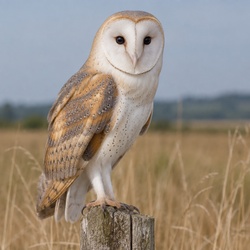
Barn Owl (distinguished by heart-shaped face and pale coloration), Great Horned Owl (distinguished by prominent ear tufts and yellow eyes), and the Spotted Owl (darker overall with white spots instead of bars, and overlapping ranges in the West).
Ecological significance
Acts as an apex avian predator helping to control populations of small mammals, rodents, and amphibians, maintaining balance in forest ecosystems.
Conservation status
Least Concern, with populations generally stable or increasing, though it has expanded its range westward where it sometimes competes with the threatened Spotted Owl.
Observation tips
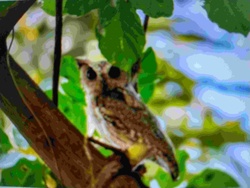
Often found perched quietly in dense forest canopy during the day. Can be located by listening for its distinctive call or by using playback cautiously, though it is best spotted by scanning tree branches for its rounded silhouette.
Interesting facts
Barred Owls are sometimes called 'Hoot Owls' due to their vocalizations. They have excellent nocturnal vision and acute hearing that allow them to locate prey in total darkness.
More like this