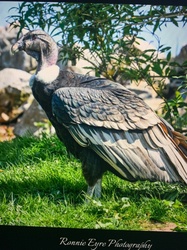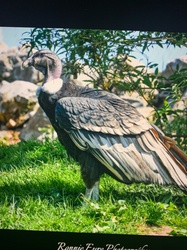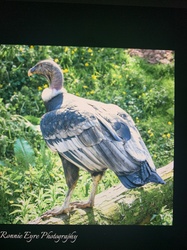
Order Accipitriformes, Family Cathartidae
King Vulture
Sarcoramphus papa
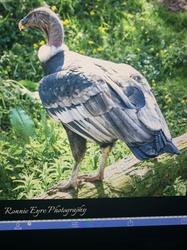
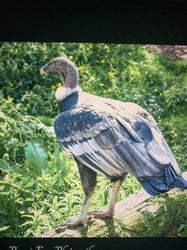
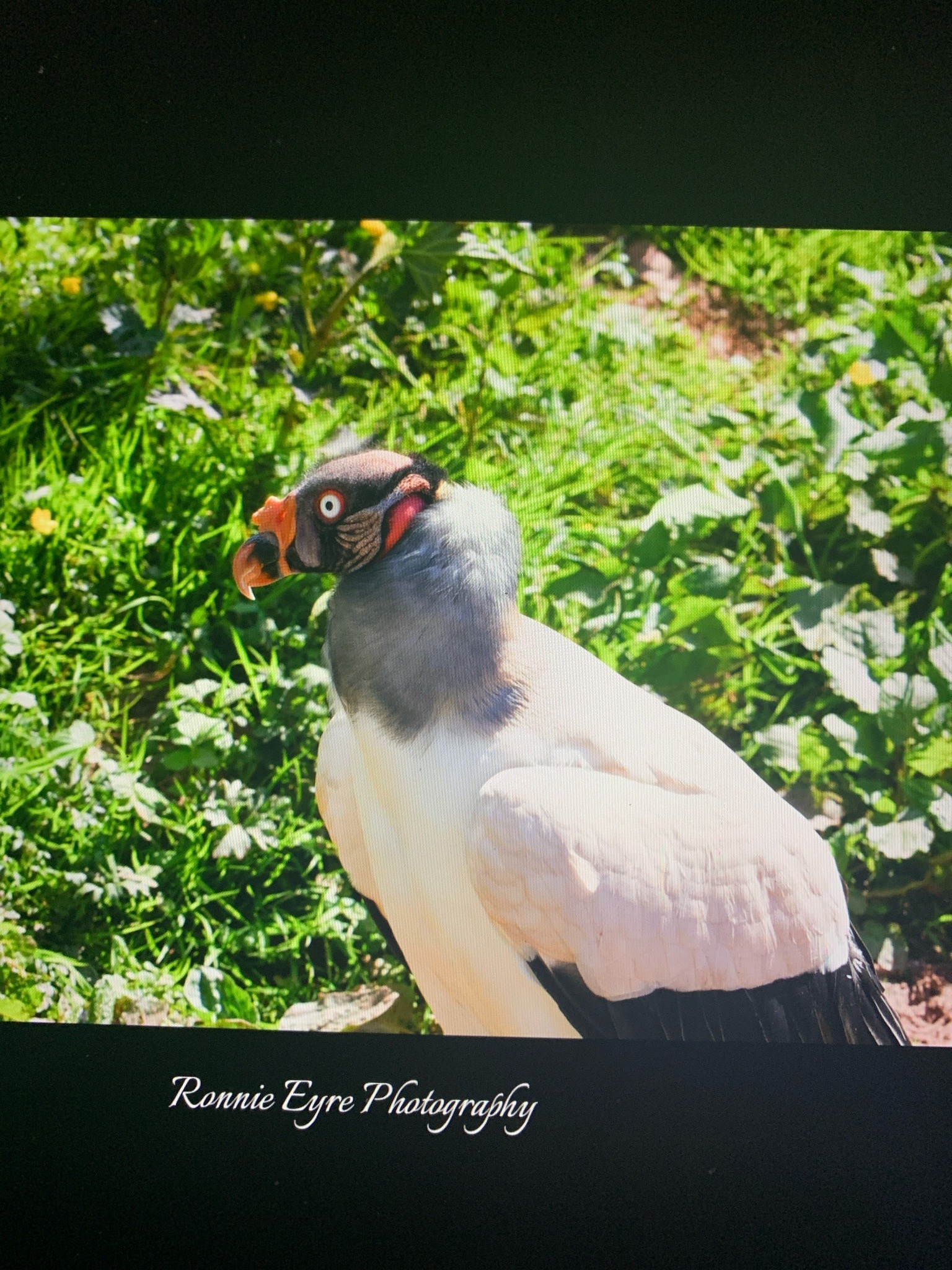
A large and striking New World vulture characterized by a colorful, fleshy head and neck, piercing white eyes surrounded by red rings, and a mostly white body contrasting with black wings and tail.
Explore King Vulture in the encyclopedia →Identify your own birds.
Get a report just like this from any photo or call, free.
Plumage & appearance
Adults have predominantly white to pale yellowish-pink body plumage with contrasting black flight feathers and tail. The head and neck are largely featherless with brightly colored skin in shades of orange, red, yellow, purple, and blue, featuring a fleshy orange wattle (caruncle) above the bill. Juveniles are dark greyish-brown overall and gradually acquire the colorful adult plumage over several years.
Key field marks
Strikingly colorful naked head with an orange caruncle, white to pale peach body, black wingtips, and bright yellow-orange bill tip.
Size & weight
Length 67-81 cm, wingspan 120-200 cm, weight 2.7-4.5 kg.
Voice — call & song
Generally silent, but can produce low croaking, hissing, and snapping sounds when disturbed or competing for food.
Diet & foraging
Scavenger; feeds almost exclusively on carrion, ranging from small dead animals to large mammalian carcasses found in forests.
Habitat
Primarily undisturbed tropical lowland rainforests, but can also be found in adjacent savannas and grasslands.
Migration & movement
Resident; sedentary with no regular migratory movements.
Nesting & breeding
Does not build a nest; lays a single egg directly in the debris of hollow tree trunks, tree cavities, or rock ledges, usually in deep forest.
Similar species
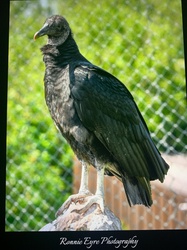
Other New World vultures such as the Turkey Vulture and Black Vulture, but the King Vulture is easily distinguished by its bright multi-colored head and mostly white plumage.
Ecological significance
Acts as an essential scavenger, helping to remove carrion from the ecosystem and reducing the spread of diseases.
Conservation status
IUCN Least Concern, though populations are suspected to be declining due to habitat loss.
Observation tips
Look for them soaring high above tropical lowland forests or congregating at large animal carcasses, often using their keen eyesight and sense of smell to locate food.
Interesting facts
Due to its dominant size and strength at a carcass, the King Vulture often displaces other vulture species and is allowed to make the first tear into tough hide.
More like this