Order: Accipitriformes, Family: Cathartidae
American Black Vulture
Coragyps atratus
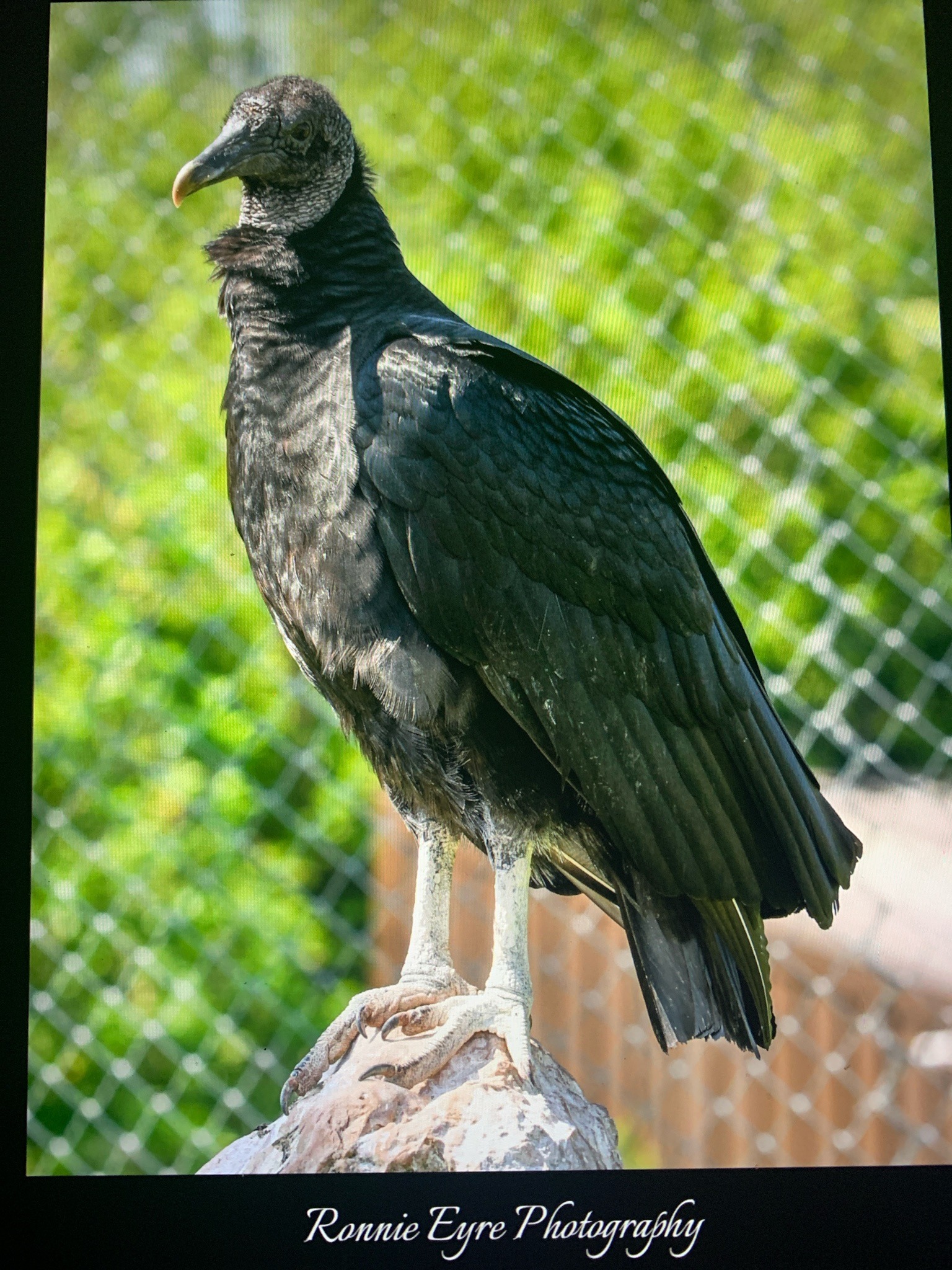
A relatively large, stocky black bird with a bare blackish head, a short squared-off tail, and broad wings featuring white patches visible in flight. Highly social and often found roosting in large groups.
Explore American Black Vulture in the encyclopedia →Identify your own birds.
Get a report just like this from any photo or call, free.
Plumage & appearance
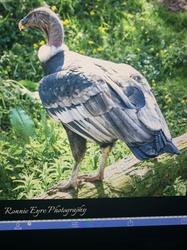
Body is covered in glossy black feathers. The head and upper neck are bare, with dark grey or black wrinkled skin. Underwings show distinctive white patches near the wingtips. Sexes are visually identical, and juveniles look very similar to adults with slightly duller plumage.
Key field marks
All-black plumage, bare dark head, short square tail, and bright white patches underneath the outer primaries (wingtips) visible in flight.
Size & weight
Length: 56–74 cm (22–29 in); Wingspan: 130–145 cm (51–57 in); Weight: 1.6–2.7 kg (3.5–6.0 lbs).
Voice — call & song
Lacks a fully developed syrinx and is mostly silent, but can produce low grunts, hisses, or croaking sounds when threatened or fighting for food.
Diet & foraging
Primarily carrion (animal carcasses), but they are opportunistic and occasionally eat small vertebrates, eggs, and plant matter. They forage by soaring and watching other scavengers.
Habitat
Open and semi-open habitats, including pastures, farmlands, grasslands, and lowland forests, often near human settlements and rubbish dumps.
Migration & movement
Generally a permanent resident, though northernmost populations in the US may move slightly southward during severe winters.
Nesting & breeding
Does not build a traditional nest; instead, lays eggs directly on the ground in hollow logs, caves, crevices, or abandoned buildings. Clutch size is typically 2 eggs, incubated by both parents.
Similar species
Turkey Vulture (Cathartes aura), which is larger, has a red head, longer tail, lacks the white wingtip patches, and relies more heavily on a keen sense of smell.
Ecological significance
Acts as a vital natural scavenger by consuming carrion, which helps control the spread of diseases and cleans up the environment.
Conservation status
Least Concern (population is stable or increasing).
Observation tips
Look for them soaring high in thermals alongside other vultures or perched on tall trees, communication towers, or rooftops in open country near human habitation.
Interesting facts
Unlike Turkey Vultures, Black Vultures have a poor sense of smell and often follow Turkey Vultures to find food sources. They urinate on their own legs to cool down in hot weather, a process called urohidrosis.
More like this