Order: Accipitriformes, Family: Cathartidae
Andean Condor
Vultur gryphus
A massive vulture with a wingspan that makes it one of the largest flying birds in the world. It has a hooked bill adapted for tearing meat and broad, soaring wings.
Explore Andean Condor in the encyclopedia →Identify your own birds.
Get a report just like this from any photo or call, free.
Plumage & appearance
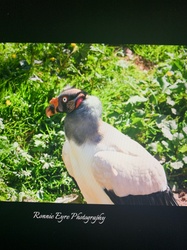
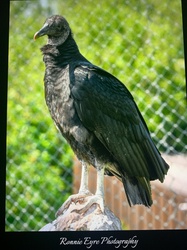
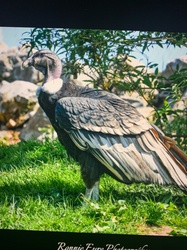
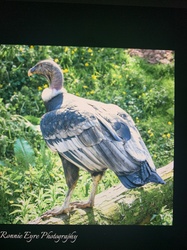
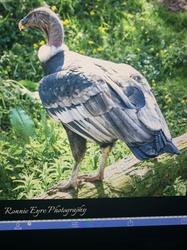
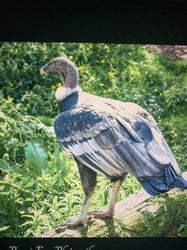
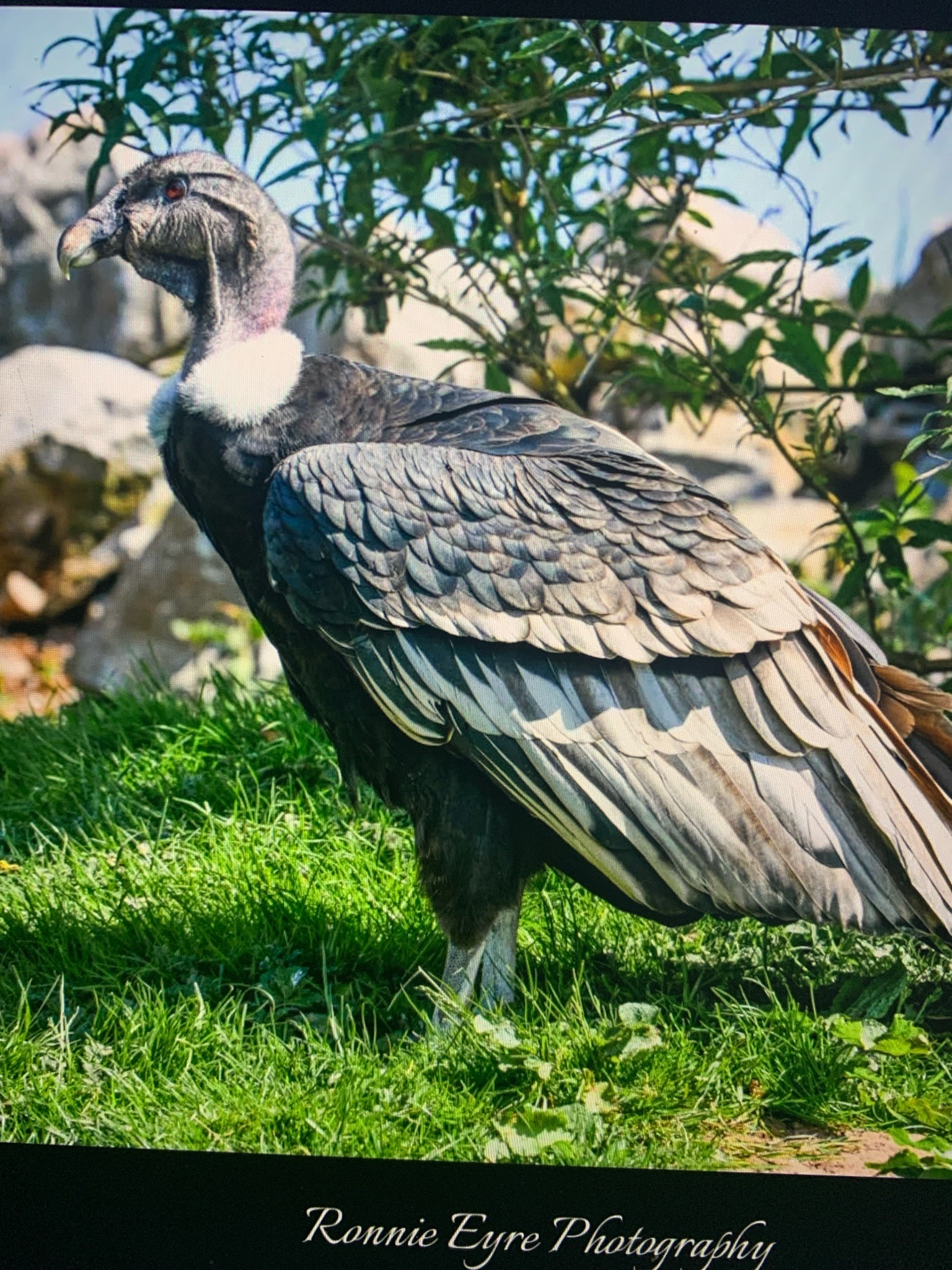
Adults have predominantly black plumage with a distinctive white ruff of feathers around the base of the neck and (in males) large white patches on the wings. The head and neck are nearly featherless and dark red to grayish, capable of changing color with emotional state. Males feature a large, dark red caruncle (comb) on top of the head. Immature birds are generally grayish-brown with a darker, scaly-looking head and neck.
Key field marks
Massive size, white ruff around the neck, broad white wing patches (in males), and bald red head.
Size & weight
Length: 100-130 cm (39-51 in), Wingspan: 270-320 cm (9-10.5 ft), Weight: 11-15 kg (24-33 lbs)
Voice — call & song
Generally silent, but can produce low grunts, hisses, and clucks when feeding or interacting at roosts.
Diet & foraging
Carrion, primarily large carcasses of domesticated or wild herbivores such as llamas, deer, and cattle.
Habitat
Open grasslands, alpine areas up to 5,000 meters, and coastal windswept regions where thermals provide soaring lift.
Migration & movement
Resident, though individuals may undertake local movements following food sources or weather conditions.
Nesting & breeding
Does not build a nest; lays a single large white egg directly on bare ledges of inaccessible cliffs. Breeds only every other year, with extended parental care.
Similar species
California Condor (found in North America, lacks the prominent white neck ruff of the adult male Andean Condor in the same way, and has a different geographic range).
Ecological significance
As an obligate scavenger, it plays a vital role in cleaning up carrion and preventing the spread of diseases in its ecosystem.
Conservation status
Vulnerable, with populations decreasing due to habitat loss and poisoning.
Observation tips
Look for them soaring on thermal updrafts along cliffs, rocky outcrops, and windy mountainous areas in the morning.
Interesting facts
The Andean Condor is a national symbol of several South American nations and features prominently in Andean folklore and mythology. It can soar for hours without flapping its wings thanks to efficient use of thermal currents.
More like this