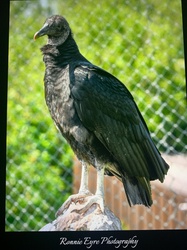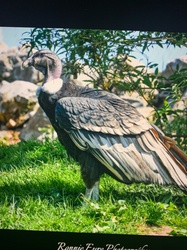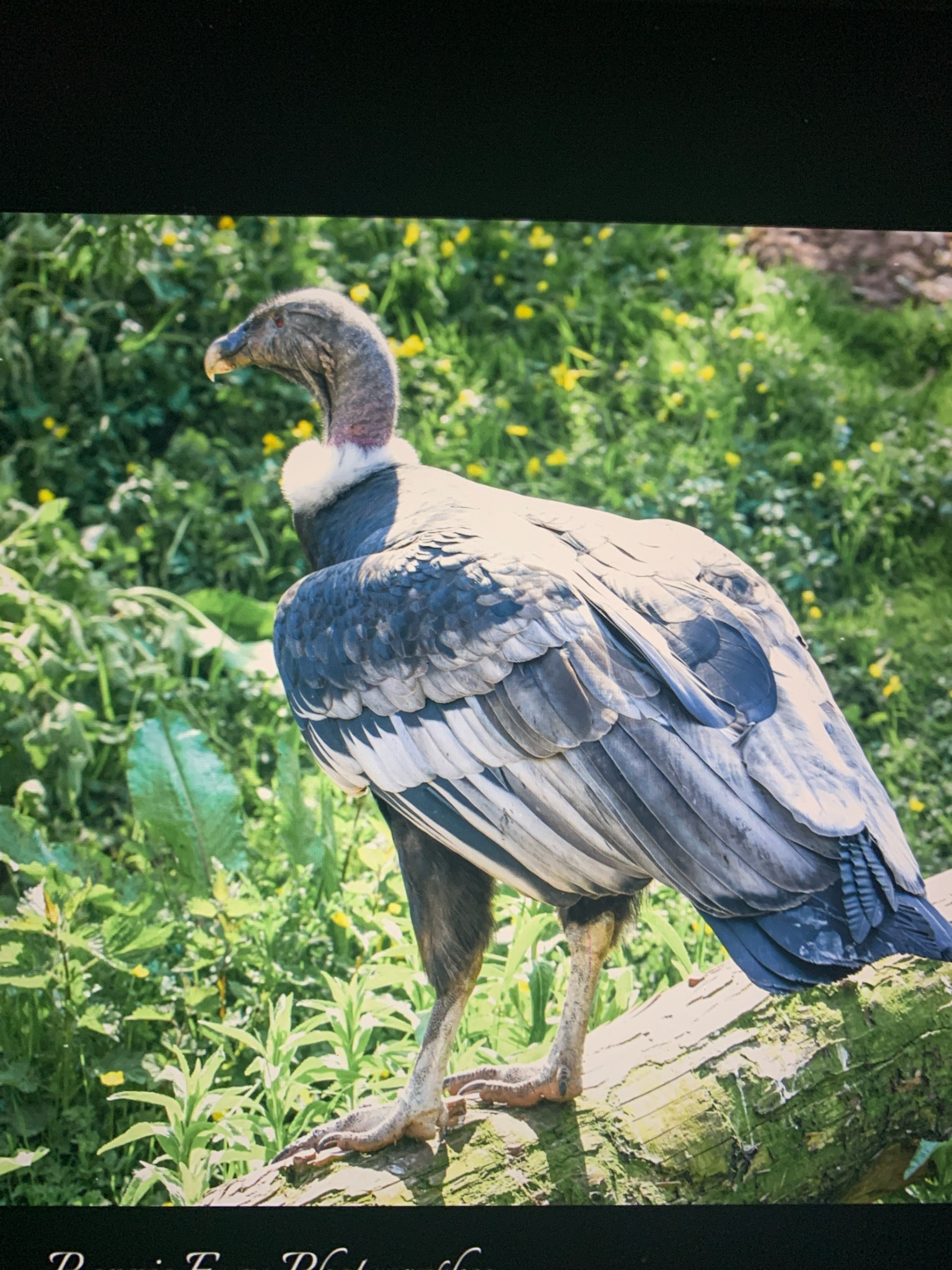
Order: Cathartiformes, Family: Cathartidae
Andean Condor
Vultur gryphus
A massive New World vulture with a mostly black body, white neck ruff, and a bald head. It is renowned as one of the world's largest flying birds, utilizing thermal currents to soar effortlessly over vast distances.
Explore Andean Condor in the encyclopedia →Identify your own birds.
Get a report just like this from any photo or call, free.
Plumage & appearance
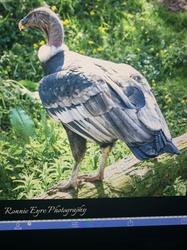
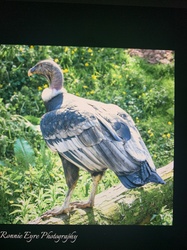
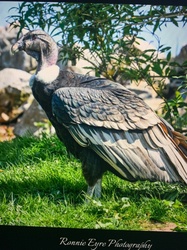
Adults are mostly black with a distinctive white ruff of feathers around the base of the neck and some white patches on the upper surface of the wings (more prominent in males). The head and neck are nearly featherless and dark red to black, capable of changing color in response to emotional state. Males possess a large, dark red caruncle (comb) on top of the head and yellowish eyes, while females lack the comb and have dark red-brown eyes.
Key field marks
Massive size, immense broad wings with 'fingered' primary feathers, white neck ruff, bald head (with a crest on males), and white wing patches on adults.
Size & weight
Length: 100-130 cm (39-51 in), Wingspan: 274-320 cm (9-10.5 ft), Weight: 7.7-15 kg (17-33 lbs).
Voice — call & song
Generally silent, as they lack a syrinx. They can produce low hissing, clucking, or groaning sounds when competing for food or at nesting sites.
Diet & foraging
Strictly carnivorous scavenger, feeding primarily on the carcasses of large mammals such as guanacos, llamas, cattle, deer, and marine mammals along the coast.
Habitat
Open alpine environments, grasslands, rocky mountainous regions, and occasionally coastal areas where wind currents provide good soaring conditions.
Migration & movement
Non-migratory resident; however, individuals may undertake local movements depending on seasonal food availability and weather conditions.
Nesting & breeding
They do not build stick nests; instead, they lay a single large white egg on bare rock ledges, cliffs, or in caves, usually at high elevations. Breeding intervals are slow, often reproducing only every two years.
Similar species
California Condor (found in North America and distinguishable by geographical range and underwing coloration), and Turkey Vulture (significantly smaller with a smaller wingspan and different wing-dipping flight style).
Ecological significance
As an obligate scavenger, the Andean Condor plays a crucial role in the ecosystem by disposing of animal carcasses, which helps prevent the spread of diseases and recycles nutrients back into the environment.
Conservation status
Vulnerable, with a decreasing population trend largely due to habitat loss, poisoning from contaminated carcasses left for predators, and historical persecution.
Observation tips
Look for them soaring high over open mountainous regions, cliffs, and deep canyons during the middle of the day when thermal air currents are strongest. Using binoculars or a spotting scope is essential.
Interesting facts
The Andean Condor has one of the largest wingspans of any land bird and is a national symbol of several South American nations, holding deep mythological significance for Andean cultures.
More like this