Order: Accipitriformes (or Cathartiformes), Family: Cathartidae
Andean Condor
Vultur gryphus
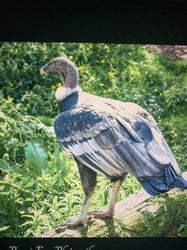
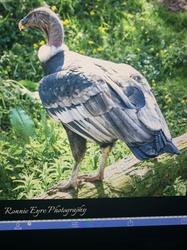
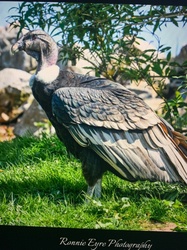
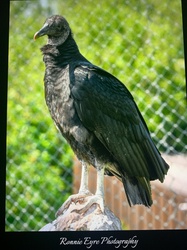
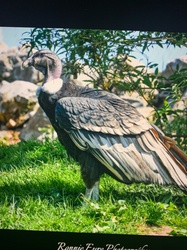
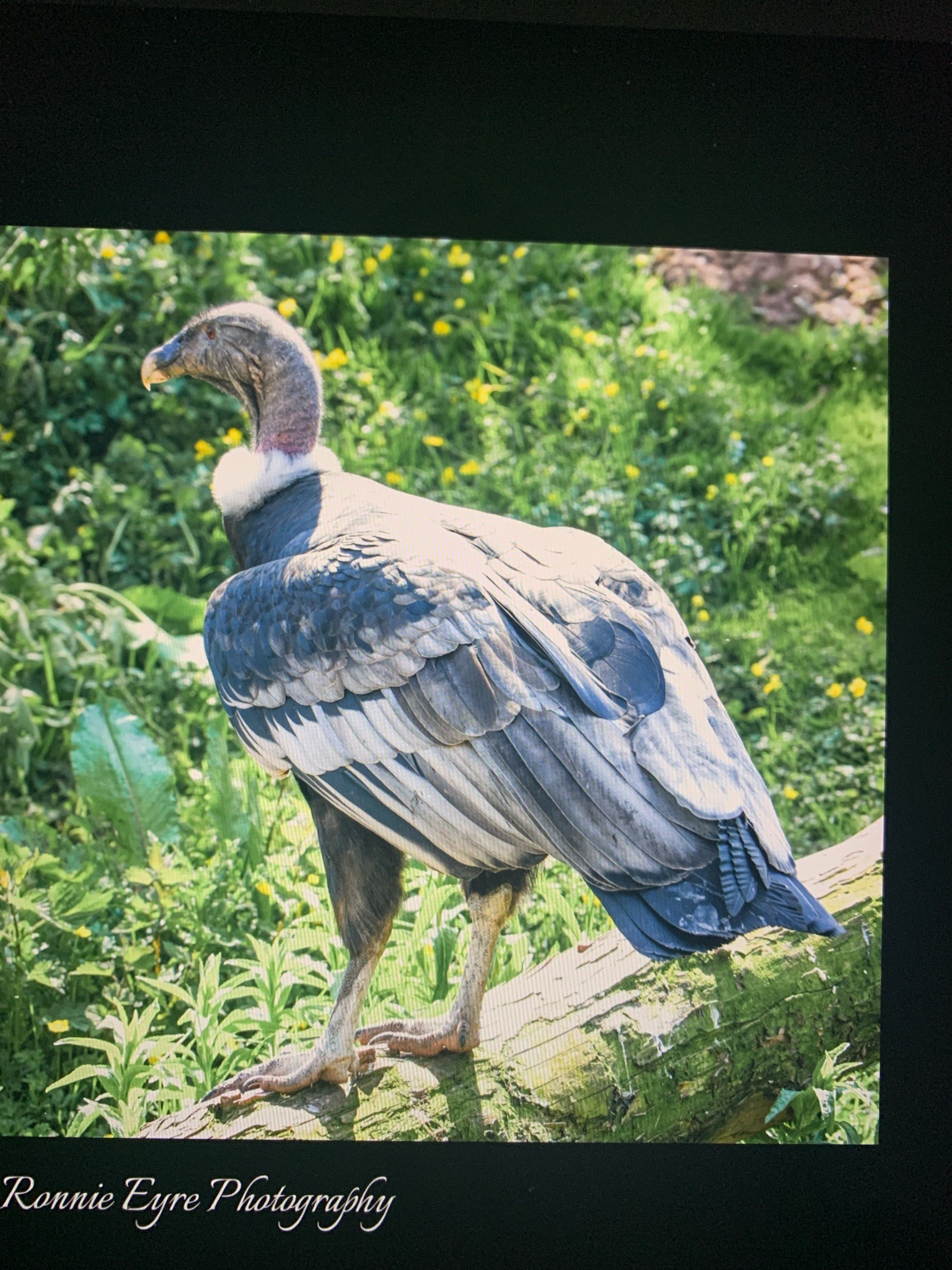
A massive New World vulture with a bald, dark head, impressive wingspan, white neck ruff, and primarily black and grey-tinged wings. Known for soaring effortlessly on thermal updrafts.
Explore Andean Condor in the encyclopedia →Identify your own birds.
Get a report just like this from any photo or call, free.
Plumage & appearance
Mostly black plumage with a distinctive white ruff of feathers surrounding the base of the neck. Males possess a large dark red caruncle (comb) on top of the head and yellowish eyes, while females have reddish-brown eyes and no prominent comb, though they are slightly smaller.
Key field marks
Massive size, white ruff around the base of the neck, broad wings with white patches on the edges in adults, and a bald head.
Size & weight
Length: 100-130 cm (39-51 inches); Wingspan: 270-320 cm (8.8-10.5 feet); Weight: 8-15 kg (17.5-33 lbs).
Voice — call & song
Generally silent, as they lack a syrinx. Capable of producing low grunts, hisses, and clucking sounds when feeding or nesting.
Diet & foraging
Scavenger specializing in carrion, preferring large ungulate carcasses such as llamas, guanacos, cattle, and deer.
Habitat
Open grasslands, alpine areas like the Andes, and coastal windswept regions up to 5,000 meters in elevation.
Migration & movement
Resident, though local movements occur seasonally depending on food availability and weather conditions.
Nesting & breeding
Nests on inaccessible ledge cliffs without constructing a physical nest. Lays a single large white egg, incubated by both parents for about 54-58 days.
Similar species
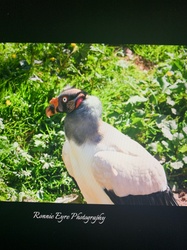
California Condor, which is restricted to North America and lacks the white neck ruff of the adult Andean Condor.
Ecological significance
Acts as an apex scavenger, cleaning up decaying animal carcasses and helping to prevent the spread of disease within its ecosystem.
Conservation status
Vulnerable, with decreasing population trends due to habitat loss, poisoning, and hunting.
Observation tips
Look up along high mountain cliffs, rocky outcrops, and wind-swept gorges in the Andes, especially during mid-day when thermal currents are strongest.
Interesting facts
The Andean Condor has one of the largest wingspans of any flying bird and can soar for hours without flapping its wings.
More like this