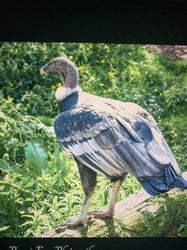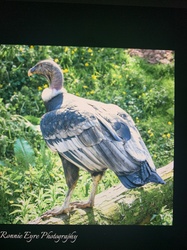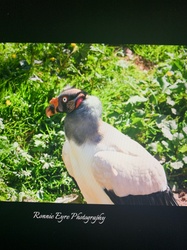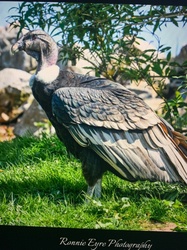
Order: Cathartiformes, Family: Cathartidae
Andean Condor
Vultur gryphus
A massive New World vulture with a glossy black body, contrasting white neck ruff, and broad wings. It is famous for being one of the largest flying birds in the world, soaring effortlessly on thermal updrafts in mountainous regions.
Explore Andean Condor in the encyclopedia →Identify your own birds.
Get a report just like this from any photo or call, free.
Plumage & appearance
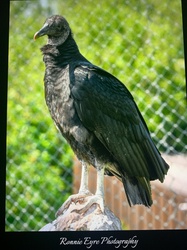
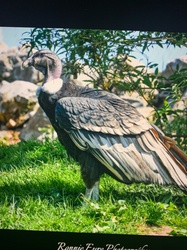
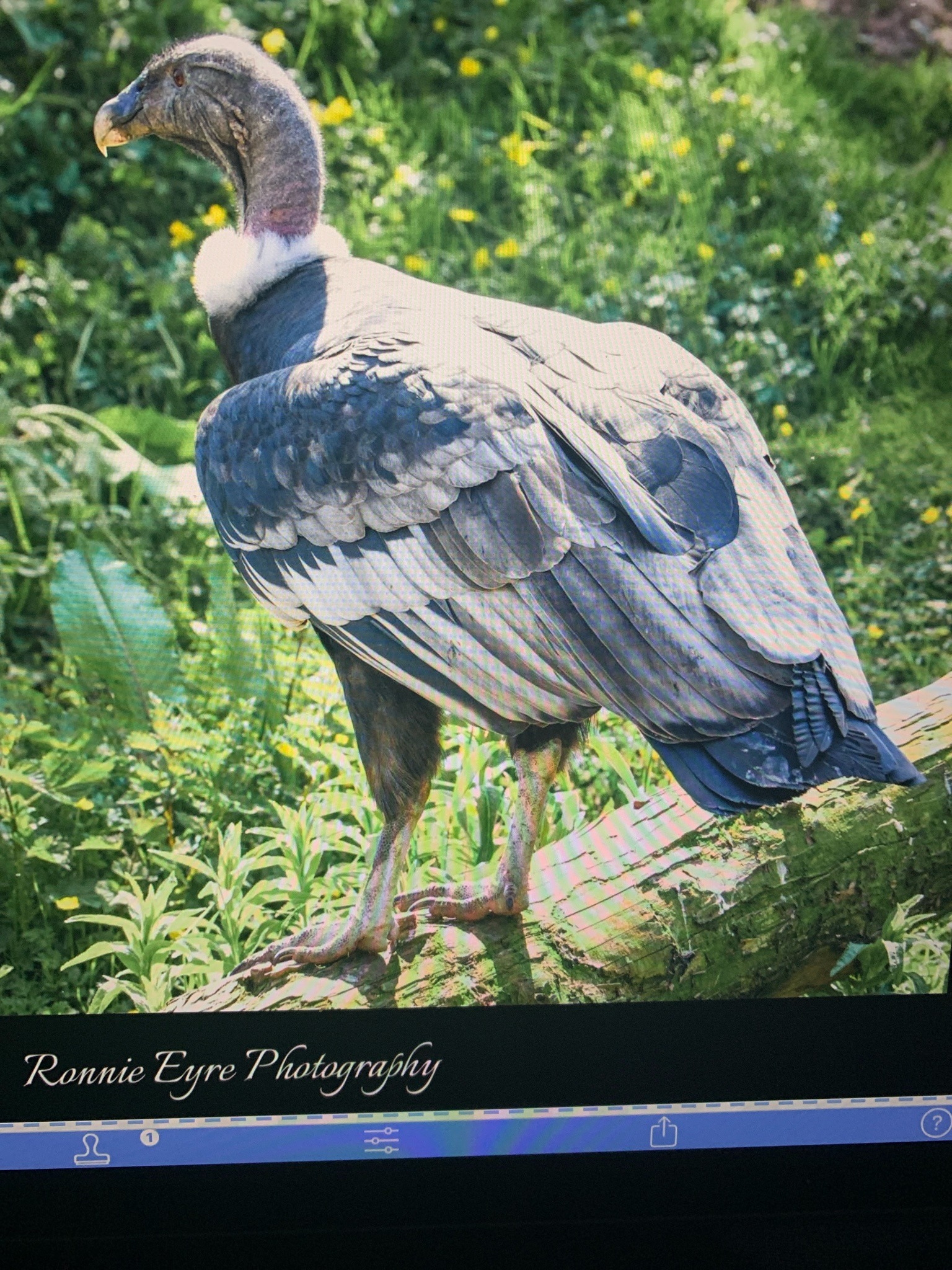
Adults have mostly black plumage with a characteristic white ruff of feathers around the base of the neck and large white patches on the wings (more prominent in males). The head and neck are nearly featherless and dark red to grayish, capable of changing color with emotional state. Males feature a large, dark red caruncle (comb) on the crown and forehead, while females lack this crest and have brownish-red eyes instead of yellowish-brown.
Key field marks
Enormous size, massive wingspan with fingered primary feathers, white neck ruff, white wing panels on adults, and bare head.
Size & weight
Length: 100-130 cm (39-51 in), Wingspan: 270-320 cm (9-10.5 ft), Weight: 8-15 kg (17.6-33 lbs).
Voice — call & song
Generally silent as they lack a syrinx, but capable of producing low grunts, hisses, and clucks when competing for food or at roosting sites.
Diet & foraging
Strictly carnivorous, feeding primarily on carrion such as large dead mammals (guanacos, deer, cattle, sheep) and marine mammals along the coast.
Habitat
Open grasslands, alpine areas up to 5,000 meters, and coastal regions with strong winds that facilitate soaring.
Migration & movement
Resident and nomadic; they do not migrate long distances but may move between high mountains and low valleys or coasts depending on seasonal food availability.
Nesting & breeding
They do not build nests; instead, they lay a single large white egg directly on bare ledges of inaccessible cliff faces. Breeding occurs every two years, with both parents sharing incubation and chick-rearing duties for over a year.
Similar species
California Condor, which is restricted to North America and lacks the white neck ruff in adults; Turkey Vulture, which is much smaller and has a distinct red head.
Ecological significance
As an obligate scavenger, the Andean Condor plays a crucial ecological role as a nature cleanup crew, rapidly removing carcasses and helping to prevent the spread of diseases.
Conservation status
Vulnerable, with populations facing ongoing threats from habitat loss, persecution, and lead poisoning from ammunition.
Observation tips
Look for them soaring high over cliffs, mountain peaks, and deep canyons using thermal currents, especially in areas near livestock pastures or coastal wind currents.
Interesting facts
The Andean Condor is a national symbol of several South American nations and holds immense mythological and cultural significance for Andean peoples, often associated with power and health.
More like this