Order: Gruiformes, Family: Rallidae
Identified from audio
Eurasian Coot
Fulica atra
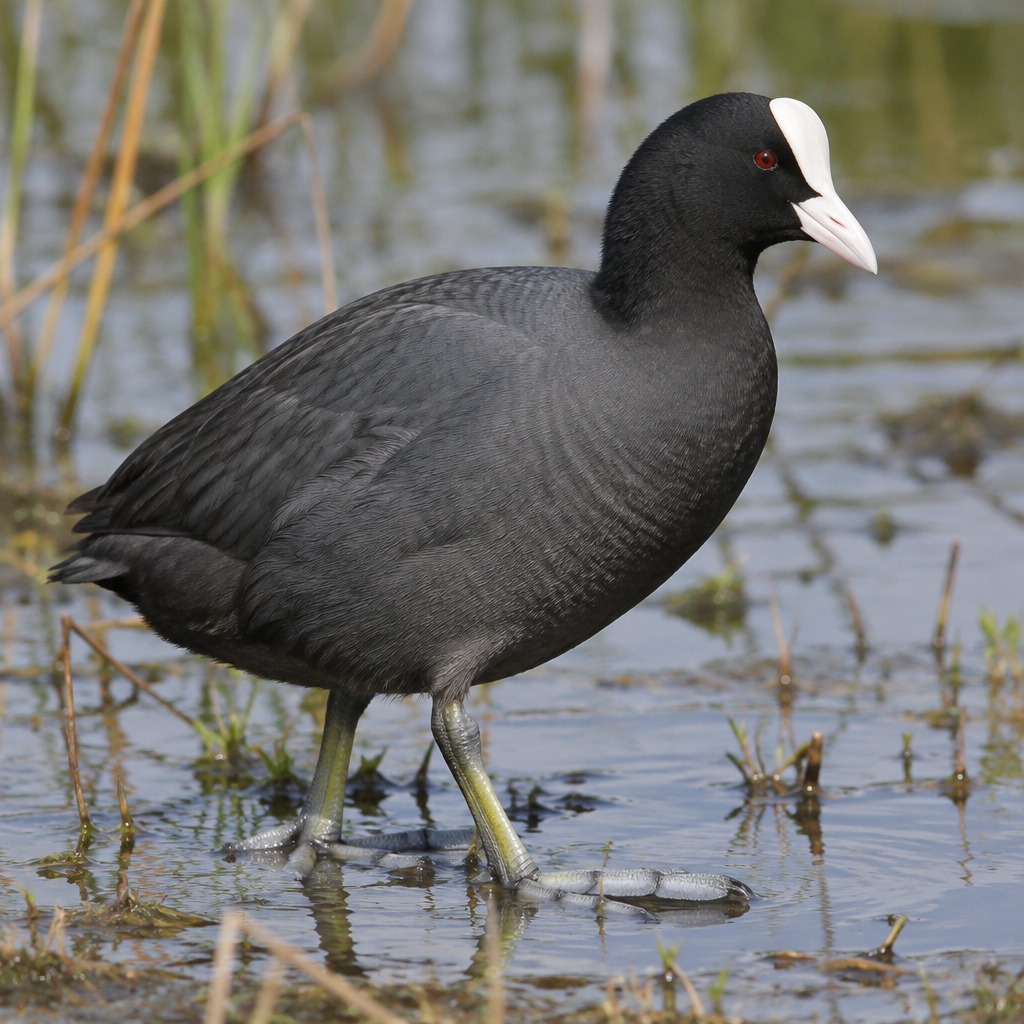
A medium-sized waterbird with a rounded body, chicken-like head, and distinct white facial shield. They are often seen swimming in open water or walking on grassy banks.
Explore Eurasian Coot in the encyclopedia →Identify your own birds.
Get a report just like this from any photo or call, free.
Plumage & appearance
Sooty-black body with a contrasting white frontal shield and bill, dark red eyes, and greenish-grey legs with lobed toes.
Key field marks
All-black plumage contrasted sharply by a prominent white bill and frontal shield.
Size & weight
Length: 36-38 cm, Wingspan: 70-80 cm, Weight: 500-1200 g
Voice — call & song
A sharp, metallic, or explosive 'kux' or 'ptup' call, often given repeatedly during territorial disputes.
Diet & foraging
Omnivorous; primarily feeds on aquatic plants, algae, seeds, small fish, and invertebrates.
Habitat
Freshwater wetlands, lakes, marshes, reservoirs, and occasionally coastal lagoons and sheltered bays.
Migration & movement
Mostly resident, though northern populations are migratory, moving south during winter.
Nesting & breeding
Builds a bulky platform of reeds and plant material anchored to emergent vegetation or floating on the water.
Similar species
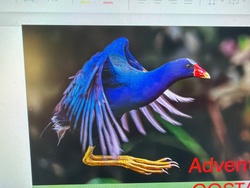
Common Moorhen and American Coot, distinguished by bill and frontal shield coloration as well as range.
Ecological significance
Acts as an important herbivore in aquatic ecosystems, helping control aquatic vegetation and serving as prey for various predators.
Conservation status
Least Concern
Observation tips
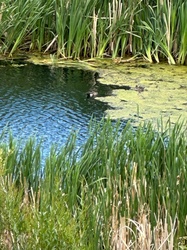
Look for them on freshwater lakes, reservoirs, and slow-moving rivers. They are bold and often feed in the open during daylight hours.
Interesting facts
Coots have lobed toes instead of webbed feet, which fold back with each step to help them walk easily on mud and lily pads.
User notes
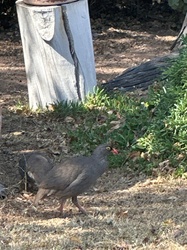
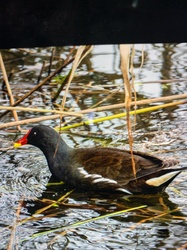
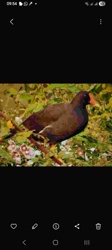
Black medium sized bird with red orangery beak south Aus Victoria Harbor
More like this