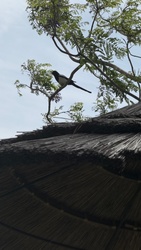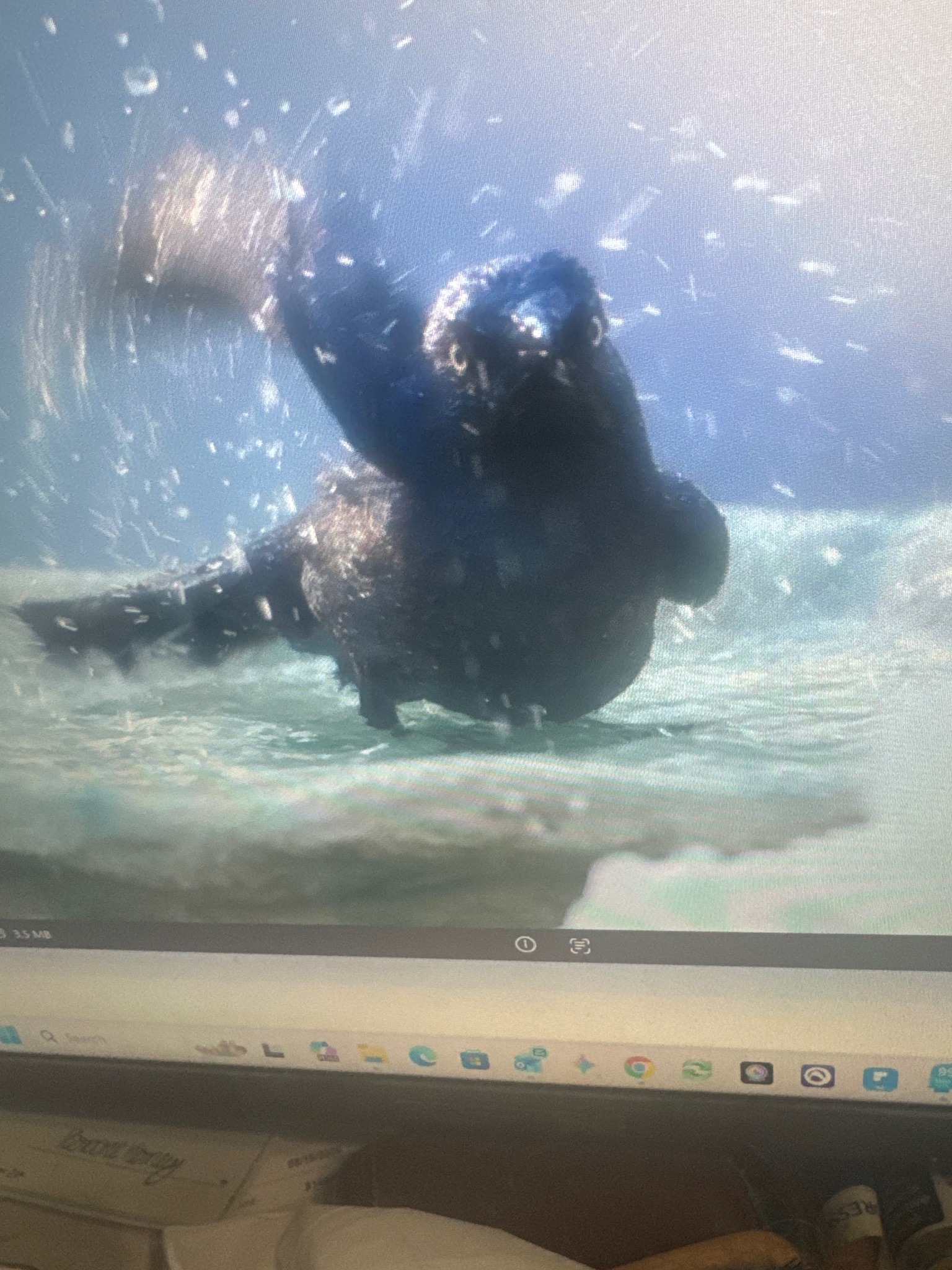
Order: Passeriformes, Family: Corvidae
American Crow
Corvus brachyrhynchos
A medium-sized, intelligent perching bird with a sturdy black bill and a square or rounded tail. Highly adaptable, social, and known for complex vocalizations.
Explore American Crow in the encyclopedia →Identify your own birds.
Get a report just like this from any photo or call, free.
Plumage & appearance
Entirely black plumage with iridescent purple, blue, or green highlights in bright sunlight. Sexes are visually similar, though males tend to be slightly larger. Juveniles have duller, brownish-black plumage and blue or brown eyes compared to the dark brown/black eyes of adults.
Key field marks
All-black plumage, medium size, strong straight bill, and a distinctly squared tail when seen in flight.
Size & weight
Length: 40-53 cm (16-21 inches); Wingspan: 85-100 cm (33-39 inches); Weight: 300-600 g (11-21 oz)
Voice — call & song
A well-known, loud, harsh caw or 'ah-ah' sound, along with a wide variety of clicks, rattles, and soft-sounding chatters.
Diet & foraging
Omnivorous, feeding on seeds, grains, fruit, insects, small animals, eggs, nestlings, and carrion. Forages primarily on the ground.
Habitat
Open woodlands, agricultural fields, pastures, orchards, parks, and urban/suburban areas.
Migration & movement
Mostly a year-round resident, though northern populations may migrate shorter distances southward in winter depending on food availability.
Nesting & breeding
Builds a bulky stick nest high in trees. Lays 3 to 6 bluish-green, speckled eggs. Both parents, often assisted by offspring from previous years as helpers, raise the young.
Similar species
Common Raven (which is larger, has a heavier bill, and a wedge-shaped tail in flight) and Fish Crow (which is smaller with a noticeably higher-pitched, nasal call).
Ecological significance
Acts as an omnivorous scavenger, helping to clean up organic debris and carrion, while also aiding in seed dispersal.
Conservation status
Least Concern, with stable or increasing populations.
Observation tips
Look and listen for them in open fields, agricultural areas, parks, and suburban neighborhoods. They are often seen in large communal roosts, especially outside the breeding season.
Interesting facts
American crows are exceptionally intelligent, capable of recognizing human faces, using tools, and passing down complex knowledge through generations.
More like this