Order: Charadriiformes, Family: Scolopacidae
Common Redshank
Tringa totanus
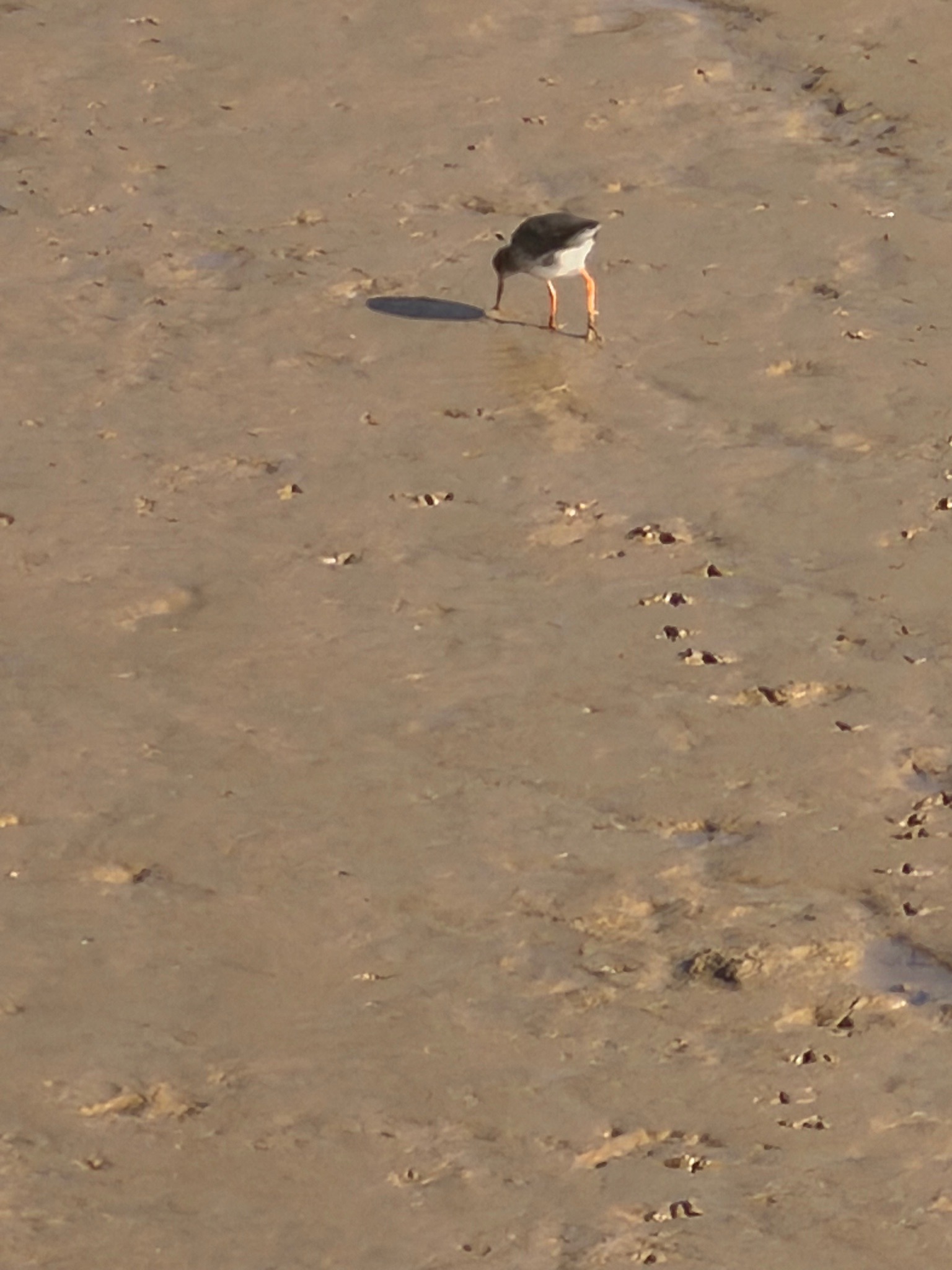
A medium-sized, elegant wader with bright red legs and a straight red-and-black bill, known for its nervous and vocal behavior when disturbed.
Explore Common Redshank in the encyclopedia →Identify your own birds.
Get a report just like this from any photo or call, free.
Plumage & appearance
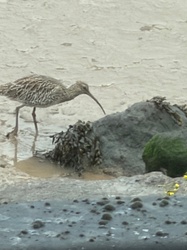
Brownish-grey upperparts with subtle dark mottling, whitish underparts with fine streaking on the breast and neck. Striking bright red legs and a bill that is orange-red at the base with a dark tip. In flight, displays a prominent white wedge up the back and broad white trailing edges to the wings. Sexes are similar in appearance.
Key field marks
Bright red legs, medium length bill red at the base, white wedge on the lower back visible in flight.
Size & weight
Length: 24-27 cm, Wingspan: 47-53 cm, Weight: 85-155 g
Voice — call & song
A loud, musical, and piping 'tu-hu-hu' or ringing alarm call that echoes across wetlands.
Diet & foraging
Insects, crustaceans, mollusks, worms, and small fish, which it probes for in soft mud or catches by sight in shallow water.
Habitat
Wet grasslands, coastal salt marshes, mudflats, estuaries, and shallow freshwater lakes.
Migration & movement
Partial migrant. Northern populations are fully migratory, moving south to coasts, while western European populations are largely resident.
Nesting & breeding
Nests on the ground in a shallow scrape hidden among dense grass or vegetation. Clutch size is typically 3-4 eggs, incubated by both parents.
Similar species
Spotted Redshank (larger, longer bill, darker in breeding plumage) and Marsh Sandpiper (much smaller, finer bill, greenish-yellow legs).
Ecological significance
Acts as an important predator of benthic invertebrates, helping regulate populations of mudflat and wetland species, and serves as an ecological indicator of wetland health.
Conservation status
Least Concern, with stable to moderately fluctuating regional populations.
Observation tips
Look along muddy estuaries, coastal marshes, and wet inland meadows. Approach quietly as they are notoriously alert and will alarm other birds with their loud calls.
Interesting facts
Often referred to as the 'warden of the marshes' because its loud, frantic alarm calls alert other animals and birds to the presence of predators or humans.
More like this