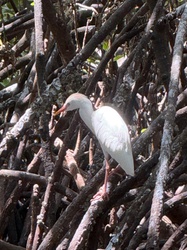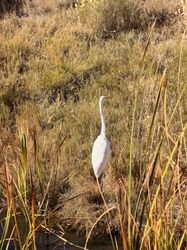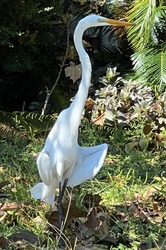
Order: Pelecaniformes, Family: Ardeidae
White-faced Heron
Egretta novaehollandiae
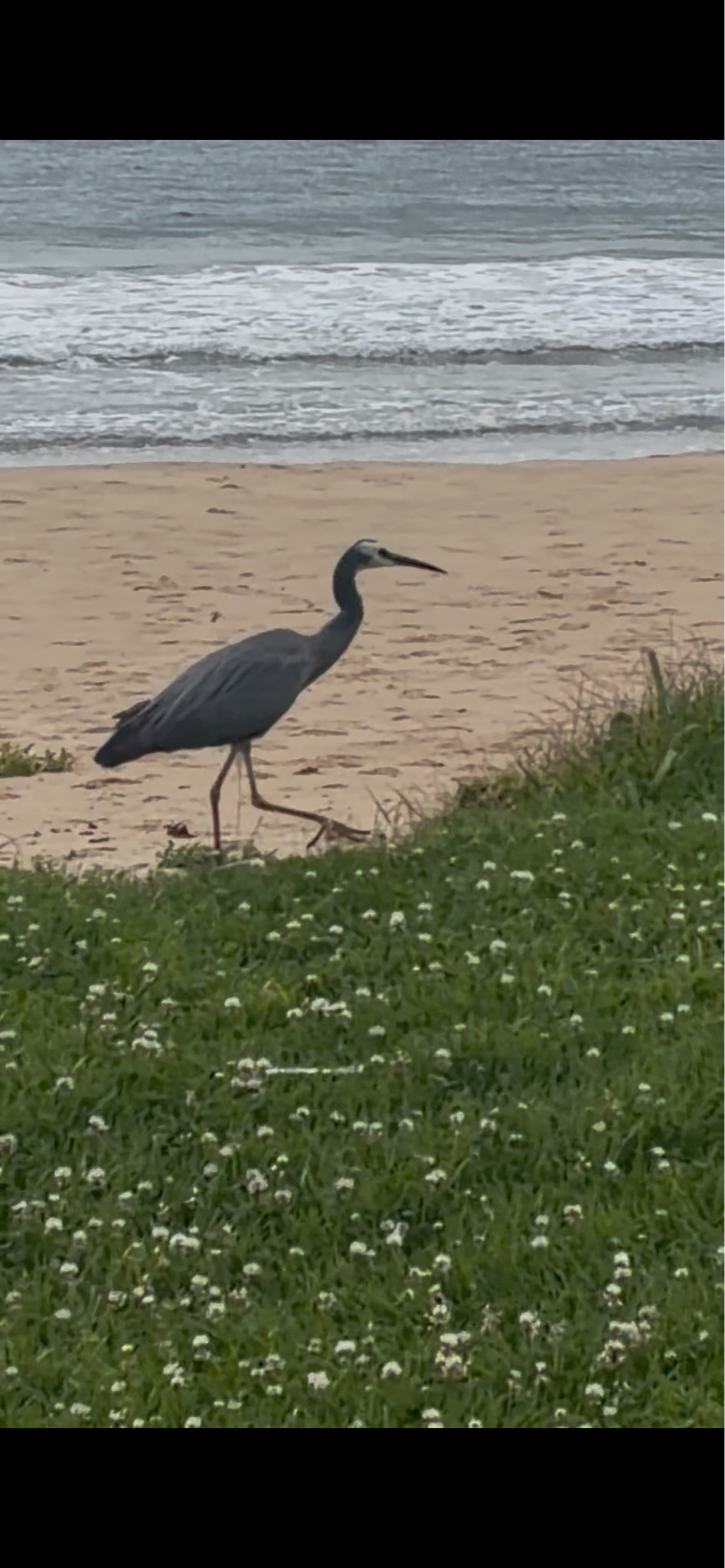
A medium-sized heron with a slender build, long dark bill, and greenish-yellow legs. It is commonly found walking slowly or standing motionless in wetlands and coastal areas.
Explore White-faced Heron in the encyclopedia →Identify your own birds.
Get a report just like this from any photo or call, free.
Plumage & appearance
Slate-grey body with a distinctive white face and throat extending down the neck. The upperparts and wings are bluish-grey, and the underparts are grey-brown. Juveniles have duller plumage with less distinct facial white markings.
Key field marks
Slate-grey plumage contrasting sharply with the white face and throat, long dark bill, and yellowish-green legs.
Size & weight
Length: 60-70 cm, Wingspan: 100-110 cm, Weight: 550-600 g
Voice — call & song
A harsh, guttural croak or squawk usually given when disturbed or during flight.
Diet & foraging
Mainly aquatic invertebrates, small fish, frogs, and insects. It forages by walking slowly in shallow water, probing with its bill, or standing still to ambush prey.
Habitat
Wetlands, swamps, estuaries, mangrove forests, tidal mudflats, and occasionally dry grasslands and agricultural pastures.
Migration & movement
Largely resident, though some populations undertake nomadic movements in response to rainfall and availability of temporary wetlands.
Nesting & breeding
Builds a shallow platform stick nest in trees near water. Clutch size is typically 3 to 5 pale blue-green eggs, incubated by both parents.
Similar species
Pacific Reef Heron (which occurs in both dark and white morphs but lacks the distinctive white face of the White-faced Heron) and the Little Egret (which is entirely white).
Ecological significance
Acts as an apex predator in aquatic micro-ecosystems, helping to control populations of small fish, amphibians, and aquatic insects.
Conservation status
Least Concern, with a stable and widespread population.
Observation tips
Look near shallow freshwater wetlands, estuaries, intertidal mudflats, and even pastoral fields or coastal grassy areas. They are relatively tolerant of humans and can often be approached closely.
Interesting facts
Unlike many herons that nest in large colonies, White-faced Herons often nest solitarily and defend their territories aggressively against intruders.
More like this