Order Anseriformes, Family Anatidae
Northern Pintail
Anas acuta
An elegant, slender dabbling duck characterized by its long neck and pointed tail. Known as a fast, agile flier with a distinct silhouette.
Explore Northern Pintail in the encyclopedia →Identify your own birds.
Get a report just like this from any photo or call, free.
Plumage & appearance
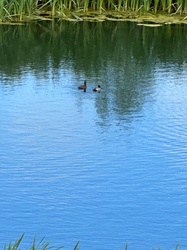
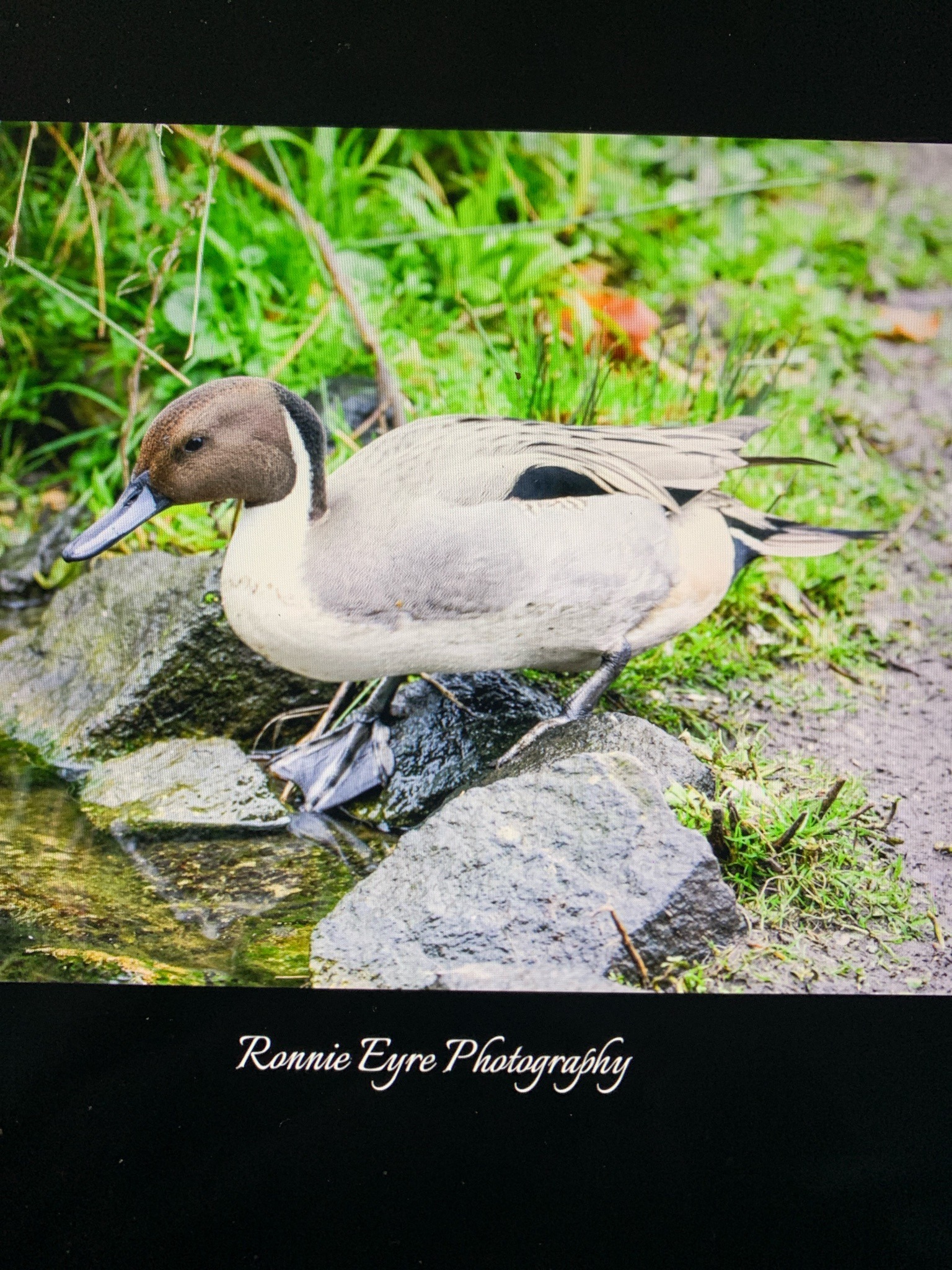
Adult males in breeding plumage feature a distinct brown head, a white stripe extending up the neck from a white breast, grey flanks and back, and elongated central tail feathers (pintail). Females are mottled brown with a greyish bill, offering cryptic camouflage.
Key field marks
Slender shape, long dark pointed tail, brown head with white neck stripe in males, and blue-grey bill.
Size & weight
Length: 51-76 cm (20-30 in); Wingspan: 80-95 cm (31-37 in); Weight: 450-1360 g (1-3 lb)
Voice — call & song
Males emit a soft, low-pitched whistle or flute-like trill. Females give a low quack, similar to a Mallard but softer and more raspy.
Diet & foraging
Primarily plant material including seeds, grains, and roots, supplemented by aquatic insects, snails, and small crustaceans during the breeding season. Forages by dabbling or tipping up.
Habitat
Open wetlands, marshes, shallow lakes, tundra pools, estuaries, and agricultural fields.
Migration & movement
Strongly migratory. Populations breeding in the far north travel considerable distances south for the winter.
Nesting & breeding
Nests on the ground in a shallow scrape lined with plant material and down, hidden in dense vegetation away from water. Clutch size is typically 7-9 olive-buff eggs.
Similar species
Mallard and Eurasian Wigeon, but easily distinguished by the Northern Pintail's exceptionally long neck, slender body, and pointed tail.
Ecological significance
Acts as an important seed disperser for wetland plants and helps regulate aquatic invertebrate populations. Serves as an indicator species for wetland health.
Conservation status
Least Concern, though population numbers fluctuate based on prairie wetland conditions and drought cycles.
Observation tips
Look for them in open wetlands, shallow lakes, and flooded agricultural fields during winter months. They are often quite wary, so approach slowly and use binoculars.
Interesting facts
The Northern Pintail is one of the most widely distributed ducks in the world, found across three continents. They are also among the earliest ducks to migrate south in the autumn.
More like this