Order: Psittaciformes, Family: Cacatuidae
Cockatiel
Nymphicus hollandicus
A small, slender parrot recognized by its prominent erect crest and long tail feathers. They are generally active, social, and expressive birds.
Explore Cockatiel in the encyclopedia →Identify your own birds.
Get a report just like this from any photo or call, free.
Plumage & appearance
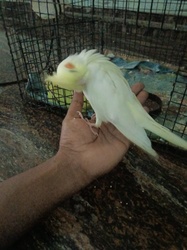
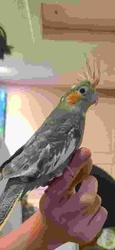
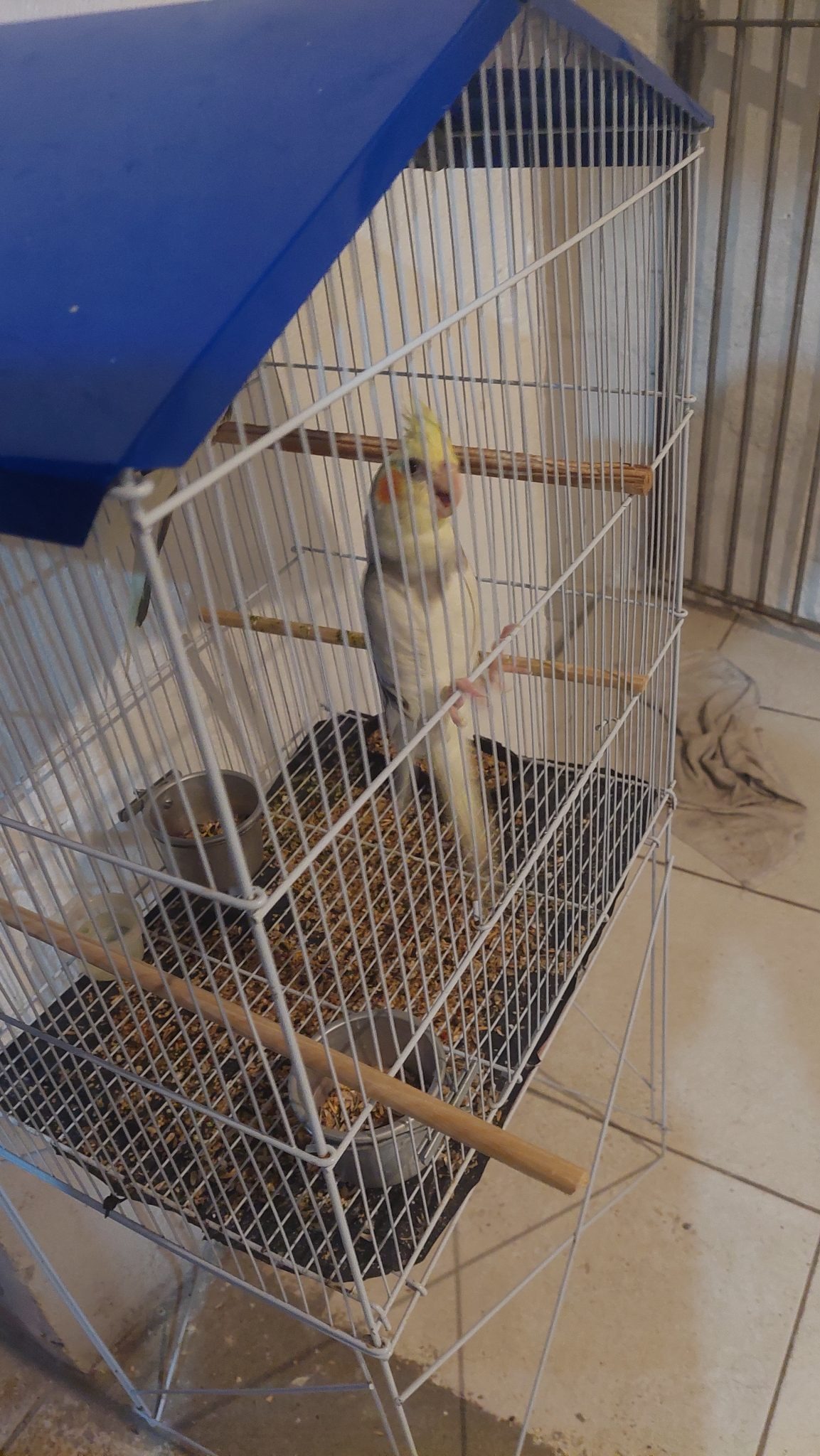
Wild-type cockatiels feature primarily grey plumage with prominent white wing patches, a yellow crest, and bright orange cheek patches. Males generally have brighter yellow faces and more vibrant orange cheeks, whereas females and juveniles often display horizontal yellow bars on the underside of their tail feathers and duller face coloration. Numerous color mutations exist in captivity, including pied, lutino, and pearl.
Key field marks
Prominent yellow crest, orange cheek patches, grey body, and white wing stripes visible in flight.
Size & weight
Length: 30 to 33 cm (12 to 13 inches), Wingspan: Around 30 to 35 cm, Weight: 75 to 125 grams.
Voice — call & song
Comprises a variety of distinct whistles, chatters, and harsh alarm calls. Males are particularly vocal and prone to learning and mimicking tunes.
Diet & foraging
Primarily granivorous, feeding on grass seeds, grains, and occasionally fruits and insects. Forages mostly on the ground in the wild.
Habitat
Arid or semi-arid open country, scrublands, bushlands, and farmlands, usually close to water.
Migration & movement
Nomadic. They travel in flocks across the Australian interior following the availability of food and water sources.
Nesting & breeding
Nests in hollows of mature trees, usually near water. Clutch size typically ranges from 4 to 7 white eggs, incubated by both parents over roughly 18 to 21 days.
Similar species
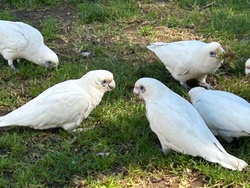
Other small cockatoos or Australian parrots, but easily distinguished by the combination of a slender tail, distinctive crest, and orange cheek patches.
Ecological significance
In their native habitat, cockatiels act as seed dispersers and play a role in local food webs as prey for larger raptors.
Conservation status
Least Concern, with stable populations distributed widely across the Australian outback.
Observation tips
In the wild, look for them near water sources in the early morning or late afternoon. In captivity, observe their body language, such as crest position, to understand their mood.
Interesting facts
Cockatiels are the smallest members of the cockatoo family (Cacatuidae). Their crest acts as an emotional barometer, indicating fear, excitement, or contentment.
More like this