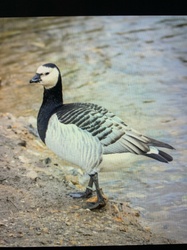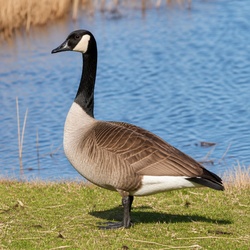
Order Anseriformes, Family Anatidae
White-cheeked Pintail
Anas bahamensis
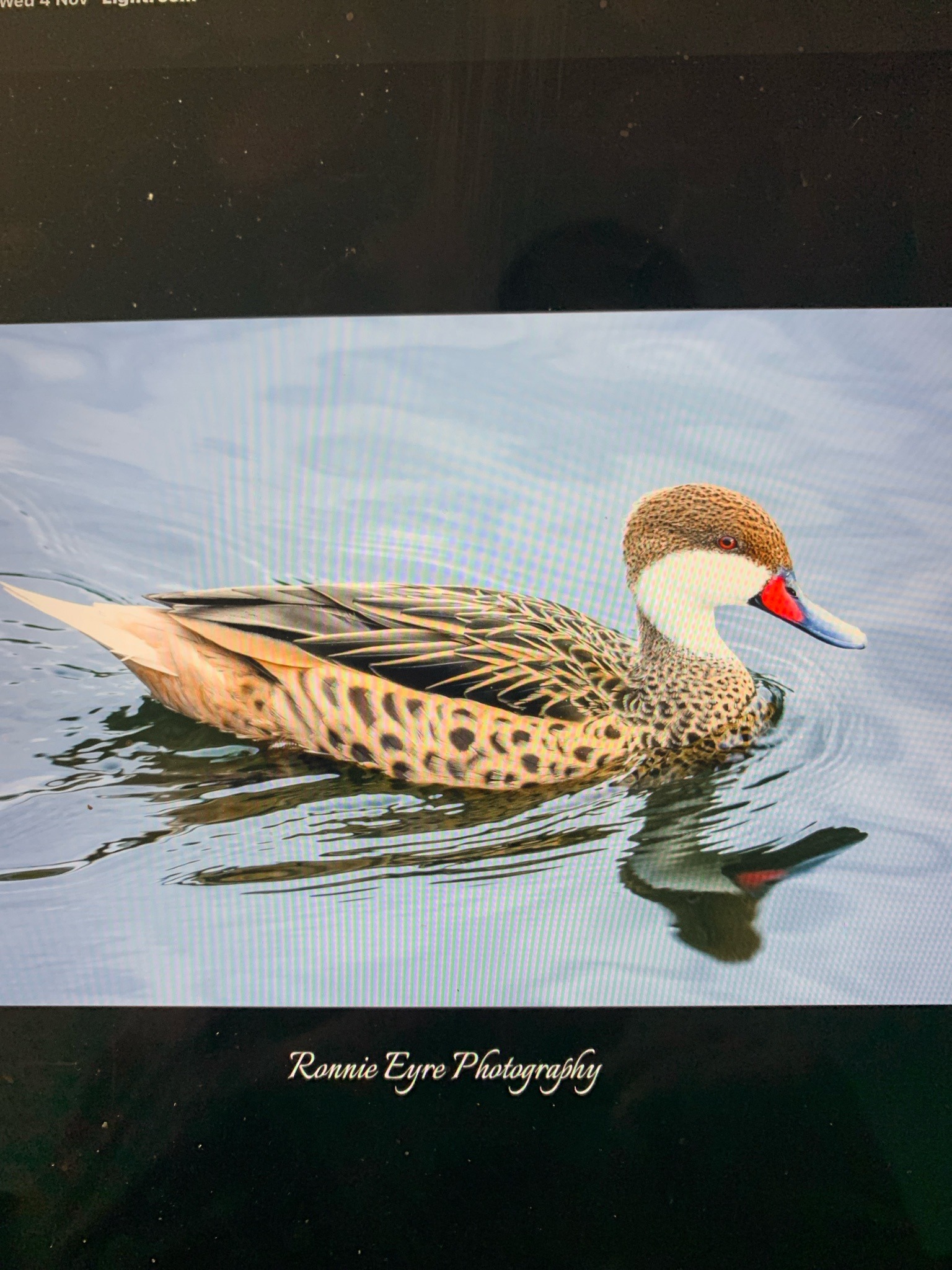
A graceful dabbling duck with a long neck and pointed tail, easily recognized by its striking white cheeks and brightly colored red-and-blue bill.
Explore White-cheeked Pintail in the encyclopedia →Identify your own birds.
Get a report just like this from any photo or call, free.
Plumage & appearance
Brown-spotted buff body, distinctive white cheeks and neck sides, deep red base on the bill with a blue-grey tip, and bright red eyes. Sexes look very similar, though males are slightly larger.
Key field marks
White cheeks, red and grey bill, spotted brown flanks, and a pointed tail.
Size & weight
Length: 38-51 cm, Wingspan: approx. 65-80 cm, Weight: 400-600 g
Voice — call & song
Quiet whistles and soft quacks; males give a soft, high-pitched whistle, while females emit a low rasping quack.
Diet & foraging
Mainly vegetarian, feeding on seeds of aquatic plants, grasses, and algae, supplemented by small aquatic invertebrates.
Habitat
Coastal wetlands, brackish lagoons, mangrove swamps, and occasionally freshwater ponds.
Migration & movement
Mostly resident, though some populations show local seasonal movements related to rainfall.
Nesting & breeding
Nests on the ground hidden in dense vegetation near water. Clutch size is 6-10 eggs, incubated by the female.
Similar species
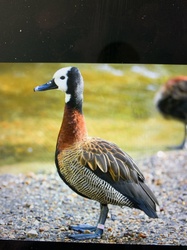
White-faced Whistling Duck or Northern Pintail, but the White-cheeked Pintail is instantly distinguished by its unique bright red-based bill and stark white cheeks.
Ecological significance
Acts as an important seed disperser for aquatic plants and helps maintain wetland biodiversity.
Conservation status
Least Concern, with a stable population trend
Observation tips
Look for them in coastal lagoons, brackish marshes, and mangrove swamps, often in small groups or pairs.
Interesting facts
Also known as the Bahama Pintail, these ducks are remarkably comfortable in brackish and saltwater habitats compared to many other dabbling ducks.
More like this