Order: Passeriformes, Family: Fringillidae
Purple Finch
Haemorhous purpureus
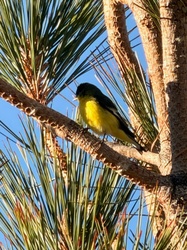
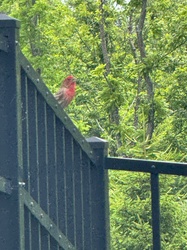
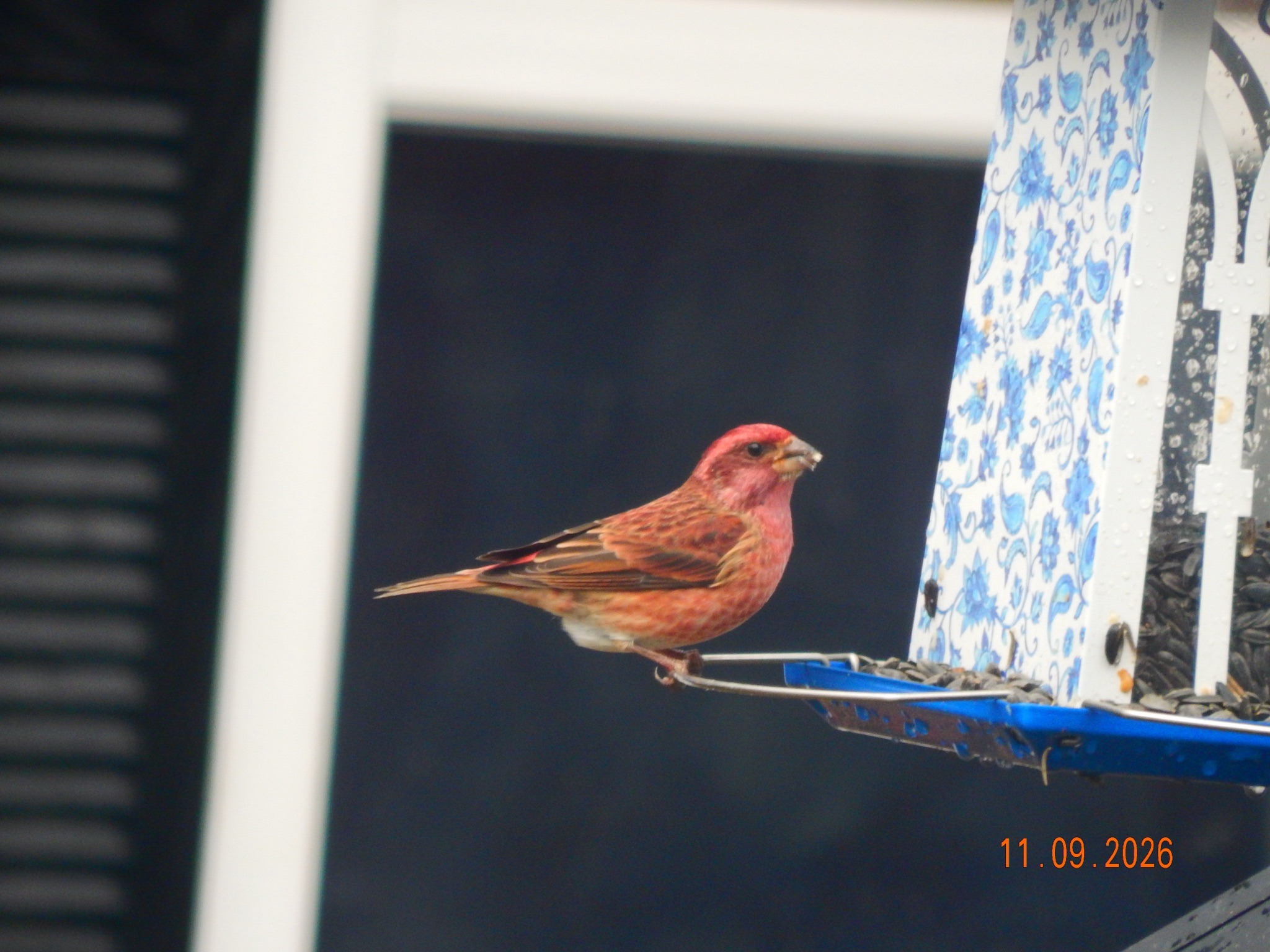
A medium-sized, stocky finch with a conical bill, short notched tail, and vibrant raspberry-red coloration in males or sparrow-like streaking in females.
Explore Purple Finch in the encyclopedia →Identify your own birds.
Get a report just like this from any photo or call, free.
Plumage & appearance
Adult males have a rosy-red head, breast, and back, often described as having been dipped in raspberry juice, with brownish wings and tail. Females and juveniles are brownish-grey above with heavy, crisp brown streaking below and a distinct white supercilium (eyebrow stripe).
Key field marks
Raspberry-red wash over the entire head and upperparts (male), stout conical bill, unstreaked red breast fading to a whitish belly, and notched tail.
Size & weight
Length: 12-15 cm (4.7-5.9 in), Wingspan: 22-25 cm (8.7-9.8 in), Weight: 18-32 g (0.6-1.1 oz).
Voice — call & song
Call is a distinct, metallic 'pik' note. Song is a rich, warbling series of clear notes delivered in a rapid, musical stream.
Diet & foraging
Primarily seeds, buds, berries, and occasionally insects during the breeding season. Forages in trees, shrubs, and on the ground.
Habitat
Coniferous and mixed forests, open woodlands, forest edges, suburban areas, and orchards.
Migration & movement
Partial migrant; northern populations reliably migrate south for the winter, while western and eastern resident populations may stay year-round or wander nomadically.
Nesting & breeding
Builds an open cup nest of twigs, rootlets, and moss, typically placed high in a conifer. Lays 2 to 7 pale blue-green eggs spotted with brown. Incubated mainly by the female for about 12-14 days.
Similar species
House Finch (males have brighter orange-red heads, browner streaks on the flanks, and a less distinctly notched tail) and Cassin's Finch (males have a brighter red cap and a more elongated bill).
Ecological significance
Acts as an important seed disperser and predator of weed seeds and tree seeds, while also serving as prey for various small raptors.
Conservation status
IUCN Least Concern, though populations have experienced moderate long-term declines, partly due to competition with the introduced House Finch.
Observation tips
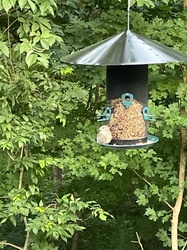
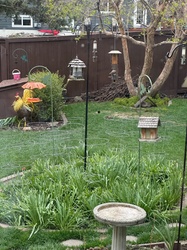
Look for them at backyard tube or platform feeders offering black-oil sunflower seeds, especially in areas bordering coniferous or mixed woodlands.
Interesting facts
Roger Tory Peterson famously described the male Purple Finch as a 'sparrow that has been dipped in raspberry juice.' Despite their name, they have very little actual purple feathers.
More like this