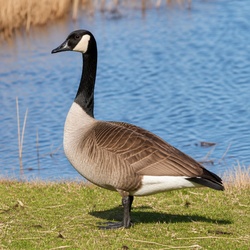
Order: Anseriformes, Family: Anatidae
Brazilian Merganser
Mergus octosetaceus
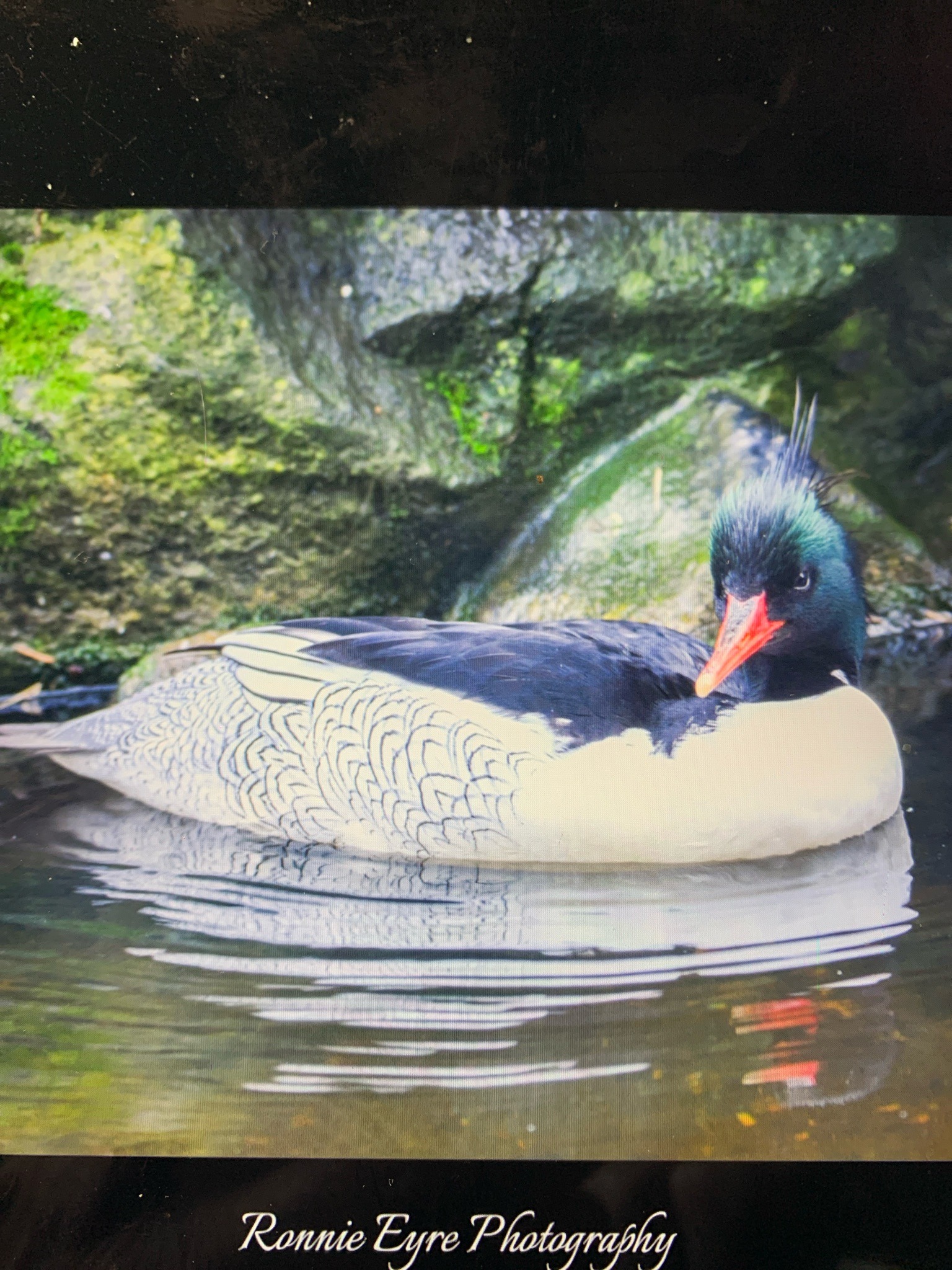
A rare and sleek diving duck with a shaggy green crest, slender red bill, and elegant grey body. It is an elusive river specialist that relies on clear, fast-flowing freshwater streams.
Explore Brazilian Merganser in the encyclopedia →Identify your own birds.
Get a report just like this from any photo or call, free.
Plumage & appearance
Adults have a dark grey back and wings with a distinctive white wing patch (visible in flight), a reddish-brown or orange-red slender bill, and shaggy dark green crest feathers on the head and nape. The neck is grey and the underparts are paler grey with fine vermiculation. Sexes are similar in appearance, though females are slightly smaller.
Key field marks
Shaggy dark green crest, slender red bill, grey body with vermiculations, and white patches on the secondary wing feathers visible in flight.
Size & weight
Length: 49-56 cm (19-22 inches), Wingspan: approx. 70-80 cm, Weight: 500-700 g
Voice — call & song
Generally silent, but can emit harsh, grating croaks or warning calls when disturbed.
Diet & foraging
Primarily fish, aquatic insects, and their larvae. Forages by diving and pursuing prey underwater using its serrated bill to catch slippery fish.
Habitat
Clear, shallow, fast-flowing rivers and streams bordered by gallery forests in tropical and subtropical uplands.
Migration & movement
Resident; does not migrate, though individuals may move locally along river systems depending on water levels and food availability.
Nesting & breeding
Nests in tree cavities, holes in riverbanks, or rock crevices near water. Lays a clutch of around 3 to 7 eggs, with breeding typically occurring during the dry season.
Similar species
Few overlapping species within its specific range, but it can be distinguished from other mergansers by its dark grey body, distinct shaggy green crest, and extremely restricted freshwater habitat.
Ecological significance
Acts as an apex predator of aquatic invertebrates and small fish in pristine river ecosystems, serving as an indicator species for high water quality.
Conservation status
Critically Endangered, with a very small and severely fragmented population numbering fewer than 250 mature individuals, facing threats from deforestation, dam construction, and river pollution.
Observation tips
Look very quietly along unpolluted, fast-flowing rivers flanked by dense gallery forests in remote areas of central-southeastern South America. Dawn and dusk are the best times to spot them foraging.
Interesting facts
The Brazilian Merganser is considered one of the rarest waterfowl species in the world and one of the most threatened birds in the Americas. It was once thought to be extinct until rediscovered in the 20th century.
More like this