Order: Passeriformes, Family: Corvidae
Hooded Crow
Corvus cornix
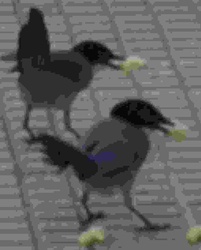
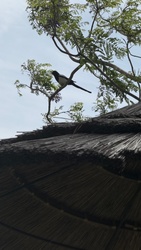
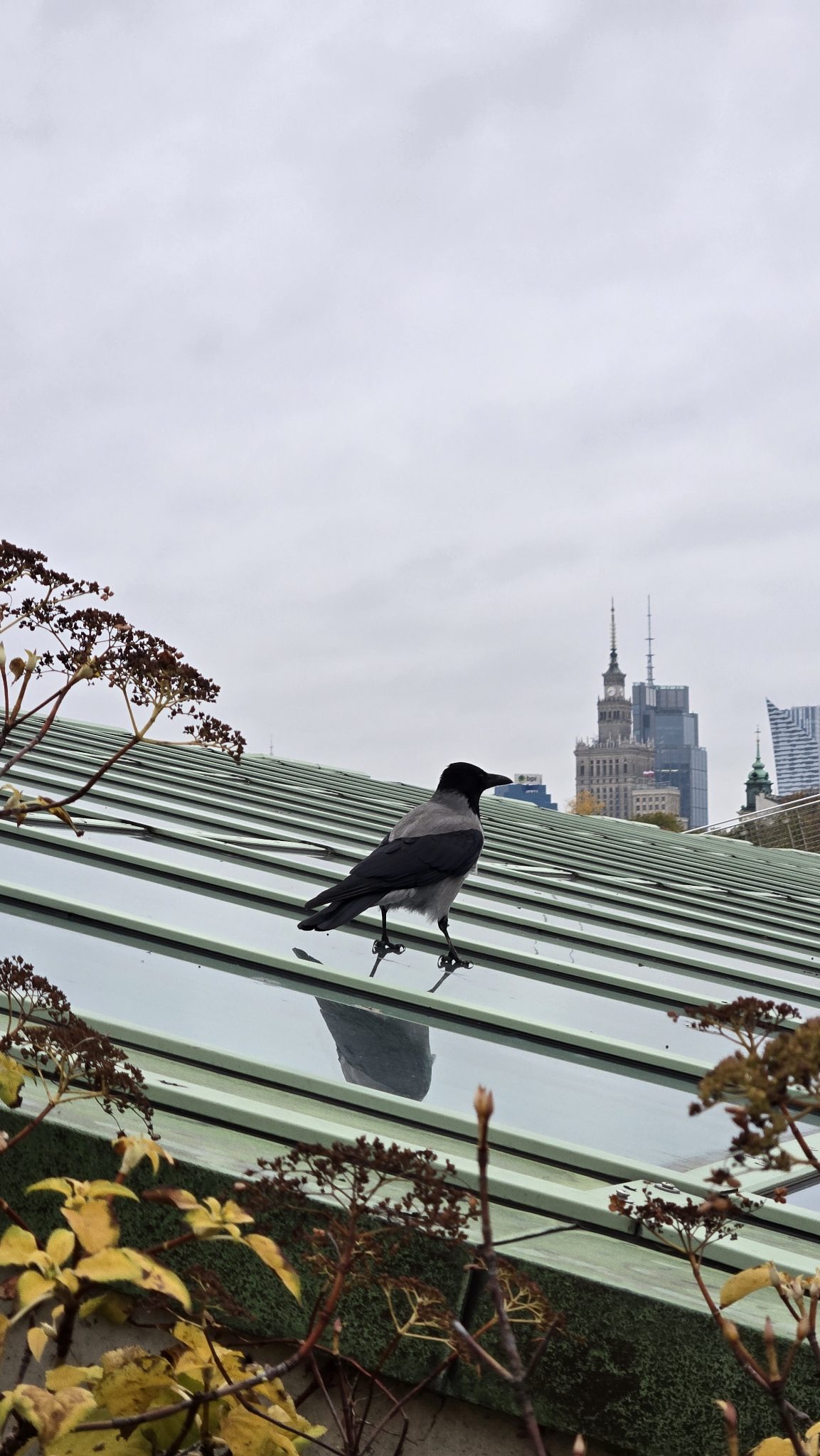
An intelligent and adaptable corvid easily recognized by its distinctive grey and black coat. Often seen foraging on the ground in urban and rural environments.
Explore Hooded Crow in the encyclopedia →Identify your own birds.
Get a report just like this from any photo or call, free.
Plumage & appearance
Striking contrasting plumage with a grey body and contrasting black head, throat, wings, and tail. Juveniles are duller and browner with less distinct black and grey demarcation.
Key field marks
Distinctive grey body contrasting sharply with black head, wings, and tail.
Size & weight
Length: 44-51 cm, Wingspan: 85-100 cm, Weight: 370-650 g
Voice — call & song
A harsh, deep 'kraa-kraa' or croaking call, typical of corvids.
Diet & foraging
Omnivorous. Feeds on carrion, insects, small mammals, eggs, nestlings, seeds, and human food waste.
Habitat
Open woodlands, agricultural land, river valleys, sea coasts, and urban parks and cities.
Migration & movement
Mostly sedentary resident, though northern populations may move south in harsh winters.
Nesting & breeding
Builds bulky stick nests high in trees or occasionally on cliffs and man-made structures. Lays 4-6 eggs, incubated mainly by the female.
Similar species
Carrion Crow (Corvus corone), which is entirely black. Where their ranges meet in Europe, they sometimes hybridize.
Ecological significance
Acts as an important scavenger and predator, helping to control insect and rodent populations and clean up organic waste.
Conservation status
Least Concern, with stable populations.
Observation tips
Look for them in open countryside, farmlands, parks, and urban rooftops. They are bold and often approachable if not heavily persecuted.
Interesting facts
Hooded crows are known for their high intelligence, ability to use tools, and complex social behaviors.
More like this