Order: Passeriformes, Family: Paridae
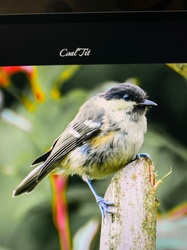
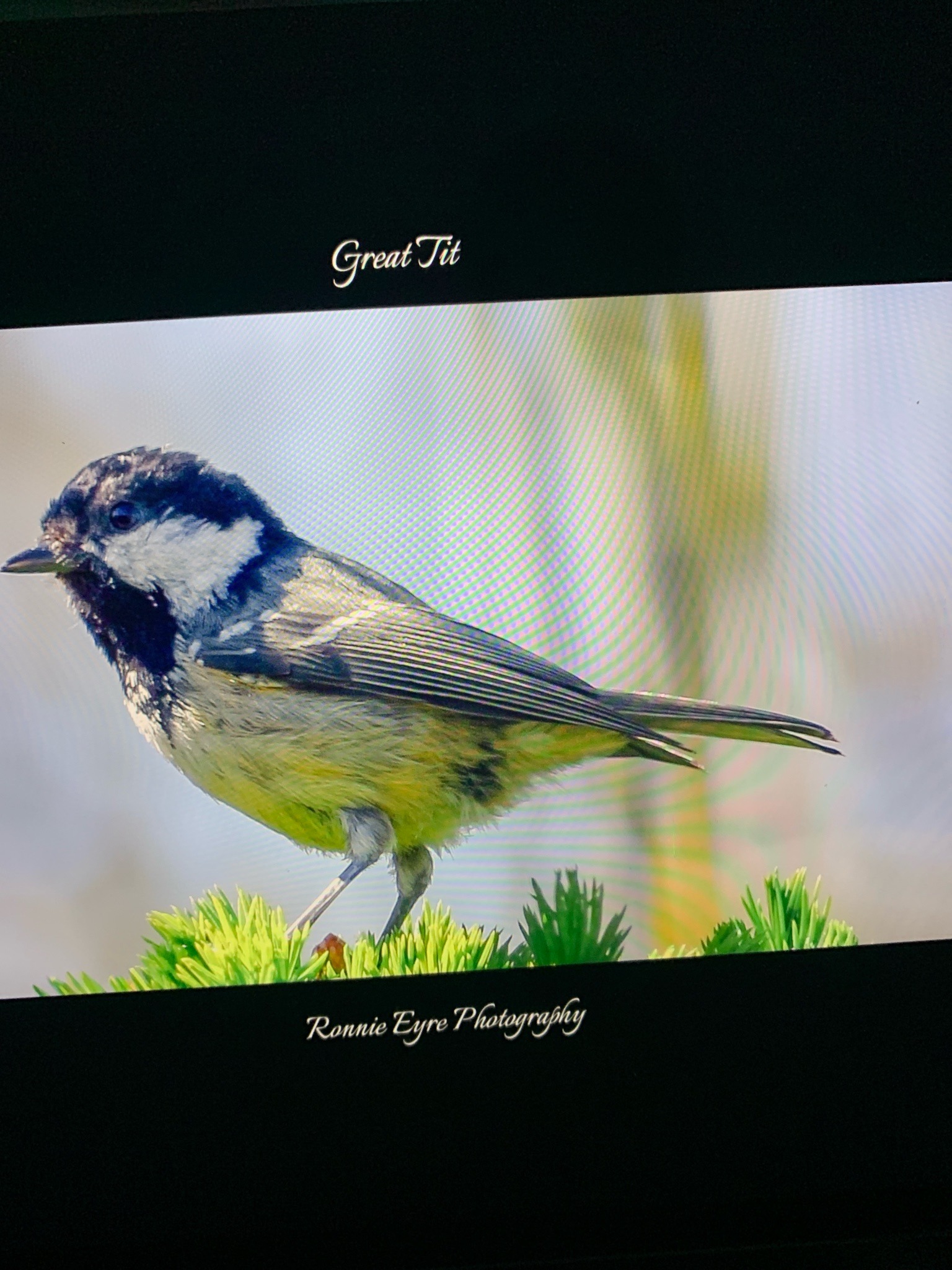
Coal Tit
Periparus ater
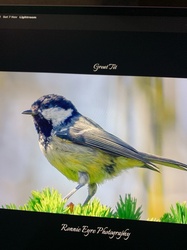
A small, active tit with a distinctive large head relative to its body, featuring a black cap and white nape spot. It moves restlessly through conifer branches.
Explore Coal Tit in the encyclopedia →Identify your own birds.
Get a report just like this from any photo or call, free.
Plumage & appearance
Glossy black cap and throat, stark white cheek patches, and a prominent white patch on the nape. The upperparts are grey-green, the underparts are buff-white, and the wings show two pale wing-bars. Sexes are similar in appearance.
Key field marks
Black cap, white cheek patches, and distinct white patch on the back of the neck (nape).
Size & weight
Length: 10-11.5 cm, Wingspan: 17-21 cm, Weight: 8-10 g
Voice — call & song
A high-pitched, repetitive piping 'see-chu see-chu' song, and a thin 'zit-zit' or 'pee-u' call.
Diet & foraging
Insects and spiders during spring and summer; conifer seeds, beech mast, and other seeds in autumn and winter. Often hoards food in crevices.
Habitat
Mainly coniferous forests, particularly pine woods, but also found in mixed and deciduous woodlands, parks, and large gardens.
Migration & movement
Mostly resident, though northern and eastern populations may undertake irruptive movements in autumn when food is scarce.
Nesting & breeding
Nests in tree cavities, old woodpecker holes, underground burrows, or stone walls. Lined with moss, hair, and wool. Clutch size is typically 7-11 eggs, laid in spring.
Similar species
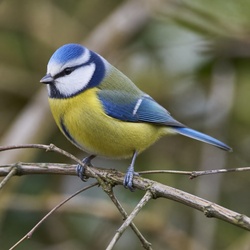
Marsh Tit and Willow Tit, but the Coal Tit is distinguished immediately by its white nape spot and smaller size.
Ecological significance
Helps control insect populations by preying on forest pests, and plays a role in seed dispersal by hoarding conifer seeds.
Conservation status
Least Concern, with a stable global population trend
Observation tips
Look and listen in coniferous woodlands or mixed forests. They readily visit backyard bird feeders, especially for sunflower seeds and peanuts.
Interesting facts
Coal Tits are prolific hoarders, hiding thousands of individual seeds in bark crevices and under moss during autumn to consume during harsh winter months.
More like this