Order: Passeriformes, Family: Paridae
Coal Tit
Periparus ater
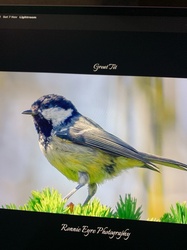
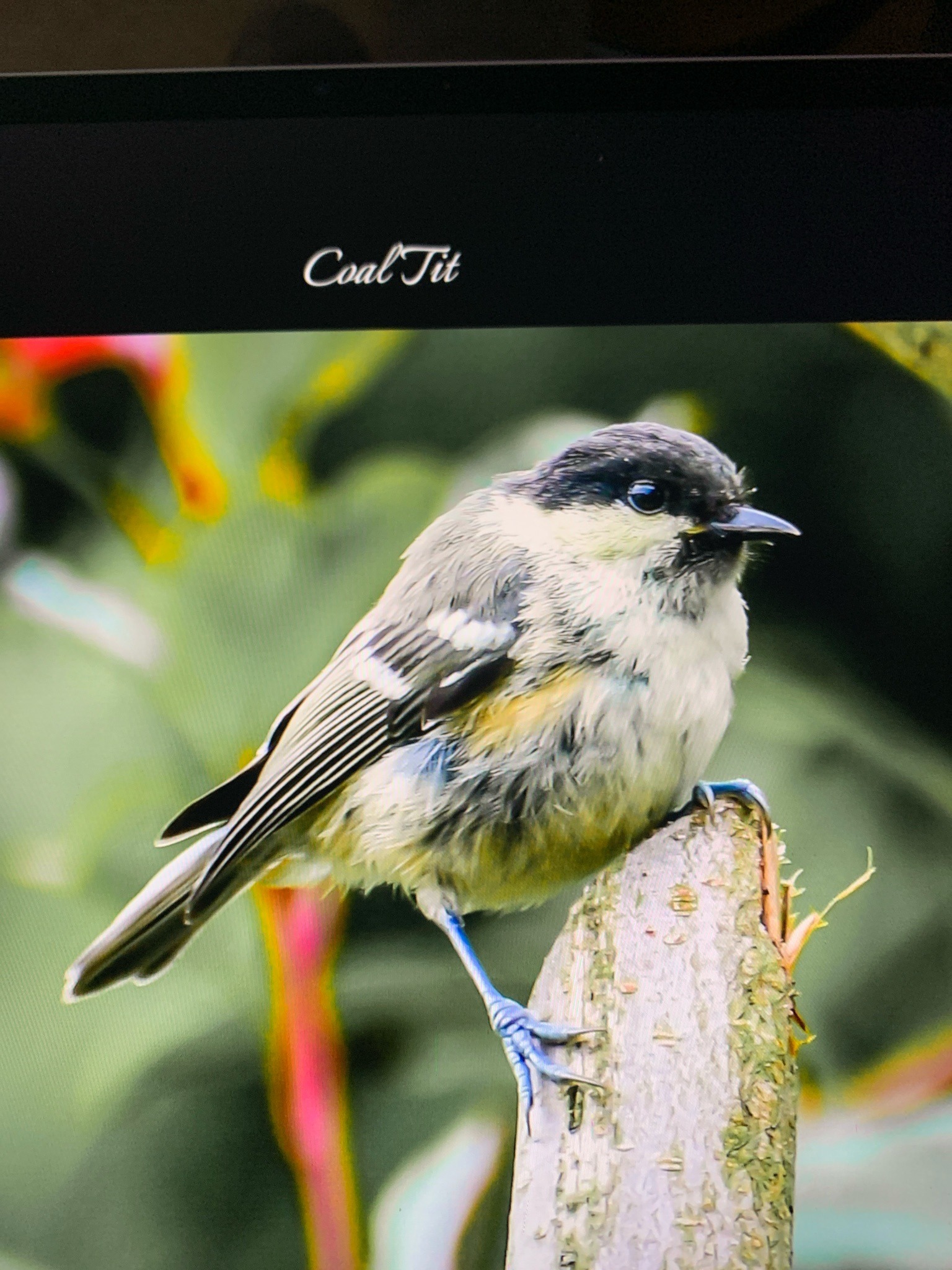
A very small, active tit with a large-headed appearance due to its distinct crest and puffy plumage. It is constantly on the move, foraging energetically among conifers.
Explore Coal Tit in the encyclopedia →Identify your own birds.
Get a report just like this from any photo or call, free.
Plumage & appearance
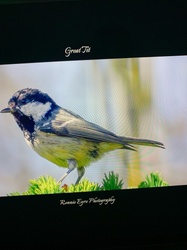
Glossy black cap and throat, a prominent white cheek patch, and a distinctive white nape spot. The upperparts are greyish-green to bluish-grey, and the underparts are dirty white to buff. Sexes are visually very similar, and juveniles are duller with yellowish-tinged cheek patches.
Key field marks
Black cap, contrasting white nape spot, white cheeks, greyish back with double wingbars, and lack of a dark bib extending down the breast.
Size & weight
Length: 10-11.5 cm, Wingspan: 17-21 cm, Weight: 8-10 g
Voice — call & song
A loud, high-pitched, repetitive two-syllabled song 'which-choo, which-choo', and high, thin 'see-see' contact calls.
Diet & foraging
Primarily insects and spiders during the breeding season; shifts to conifer seeds, beech mast, and seeds from deciduous trees in autumn and winter. Frequently hoards food in bark crevices.
Habitat
Coniferous and mixed woodlands, particularly pine forests, though they readily adapt to parks, large gardens, and mature hedgerows.
Migration & movement
Mostly sedentary resident, though northern and eastern populations may undertake irruptive southward movements during years of food scarcity.
Nesting & breeding
Nests in tree cavities, old woodpecker holes, underground burrows, or stone walls. Lined with moss, hair, and wool. Clutch size is typically 7-11 eggs, incubated mainly by the female.
Similar species
Marsh Tit and Willow Tit, but easily distinguished from them by its white nape patch and smaller size.
Ecological significance
Acts as an important natural pest controller by consuming large quantities of insects, caterpillars, and tree-dwelling invertebrates, and aids in seed dispersal.
Conservation status
Least Concern (LC) with a stable global population trend.
Observation tips
Listen for their high-pitched, piping calls in coniferous woodlands. They readily visit garden bird feeders supplied with peanuts, sunflower seeds, and suet.
Interesting facts
Coal Tits are exceptional hoarders, hiding thousands of individual food items in autumn to survive harsh winter conditions, using a remarkable spatial memory to relocate them.
More like this