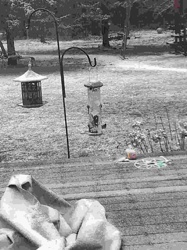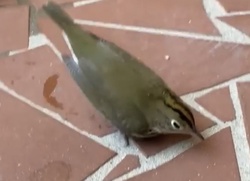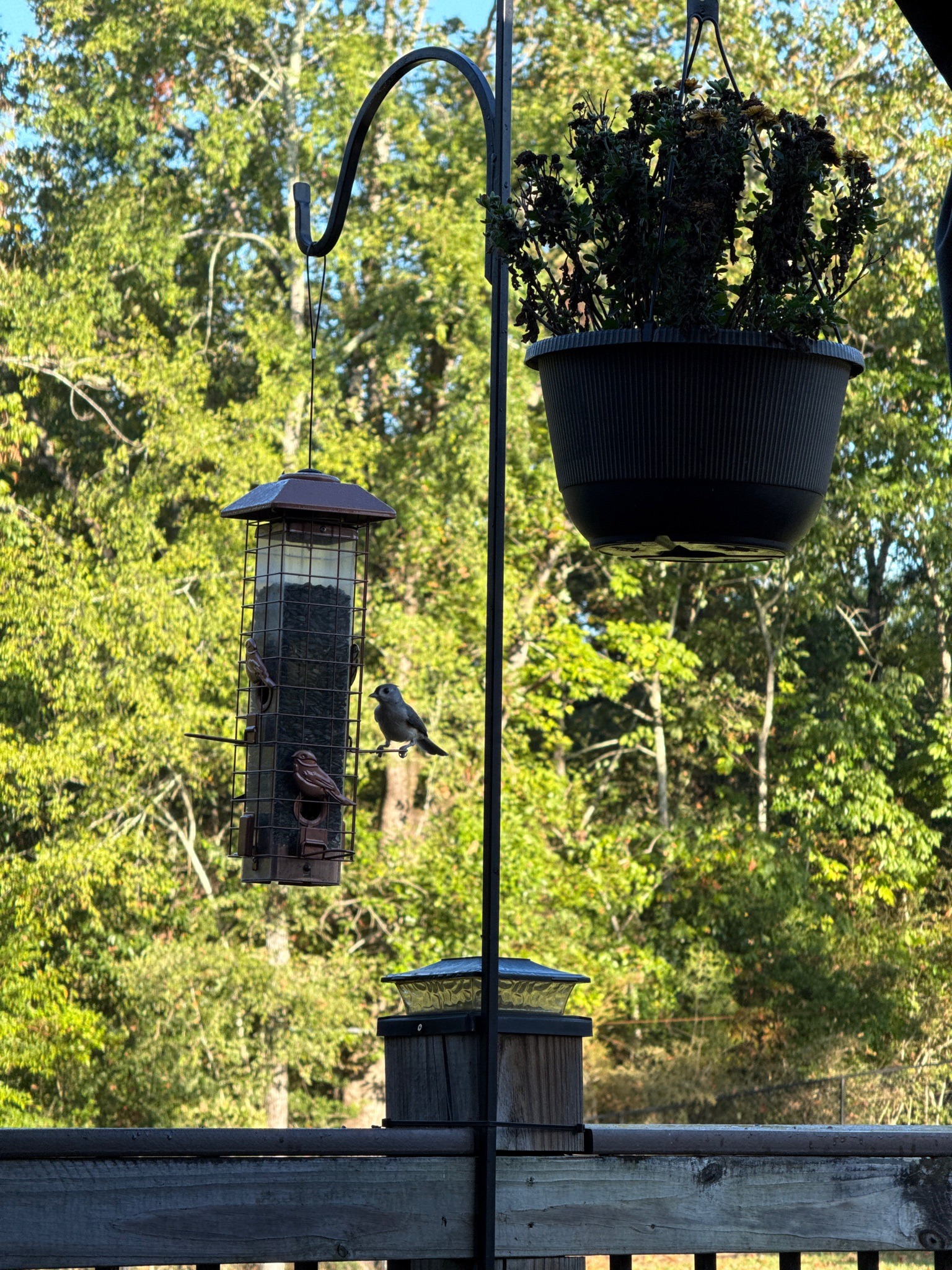
Order: Passeriformes, Family: Paridae
Tufted Titmouse
Baeolophus bicolor
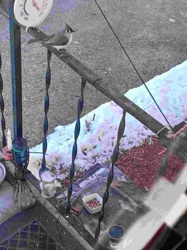
A small, active songbird with a large head, stout bill, distinct crest, and curious demeanor. Often visits backyard bird feeders.
Explore Tufted Titmouse in the encyclopedia →Identify your own birds.
Get a report just like this from any photo or call, free.
Plumage & appearance
Soft silvery-gray upperparts, whitish underparts, and a rusty or peach-colored wash on the flanks. It features a prominent gray crest and a small black patch just above its bill.
Key field marks
Distinctive gray crest, black patch above the bill, silvery-gray back, whitish belly, and rusty-peach flanks.
Size & weight
Length: 14-16 cm (5.5-6.3 in), Wingspan: 20-24 cm (7.9-9.4 in), Weight: 18-26 g (0.6-0.9 oz).
Voice — call & song
A clear, whistled series of notes usually described as 'peter, peter, peter', alongside various scolding and chattering calls.
Diet & foraging
Omnivorous; feeds on insects, spiders, berries, seeds, nuts, and small fruits. Forages actively among tree branches and caches food for later.
Habitat
Deciduous and mixed forests, woodlots, shade trees in suburban neighborhoods, and parks.
Migration & movement
Permanent resident; non-migratory throughout its range.
Nesting & breeding
Cavity nesters using natural tree holes, old woodpecker holes, or nest boxes. They line the nest with soft materials like moss, fur, and hair. Clutch size is typically 5 to 6 eggs.
Similar species
Black-crested Titmouse (found in Texas and Mexico, features a black crest) and Juniper Titmouse (western US, lacks the peachy flanks and has a browner tone).
Ecological significance
Plays an important role in forest ecosystems by consuming vast quantities of insect pests and helping disperse seeds.
Conservation status
IUCN Least Concern with stable or increasing populations.
Observation tips
Easily attracted to backyard bird feeders offering sunflower seeds, peanuts, and suet. Listen for their loud, clear 'peter-peter-peter' calls.
Interesting facts
Tufted Titmice are known to pluck hair directly from living mammals, including dogs, raccoons, and humans, to line the inside of their nests.
More like this