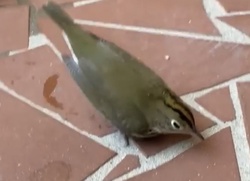
Order: Passeriformes, Family: Paridae
Identified from audio
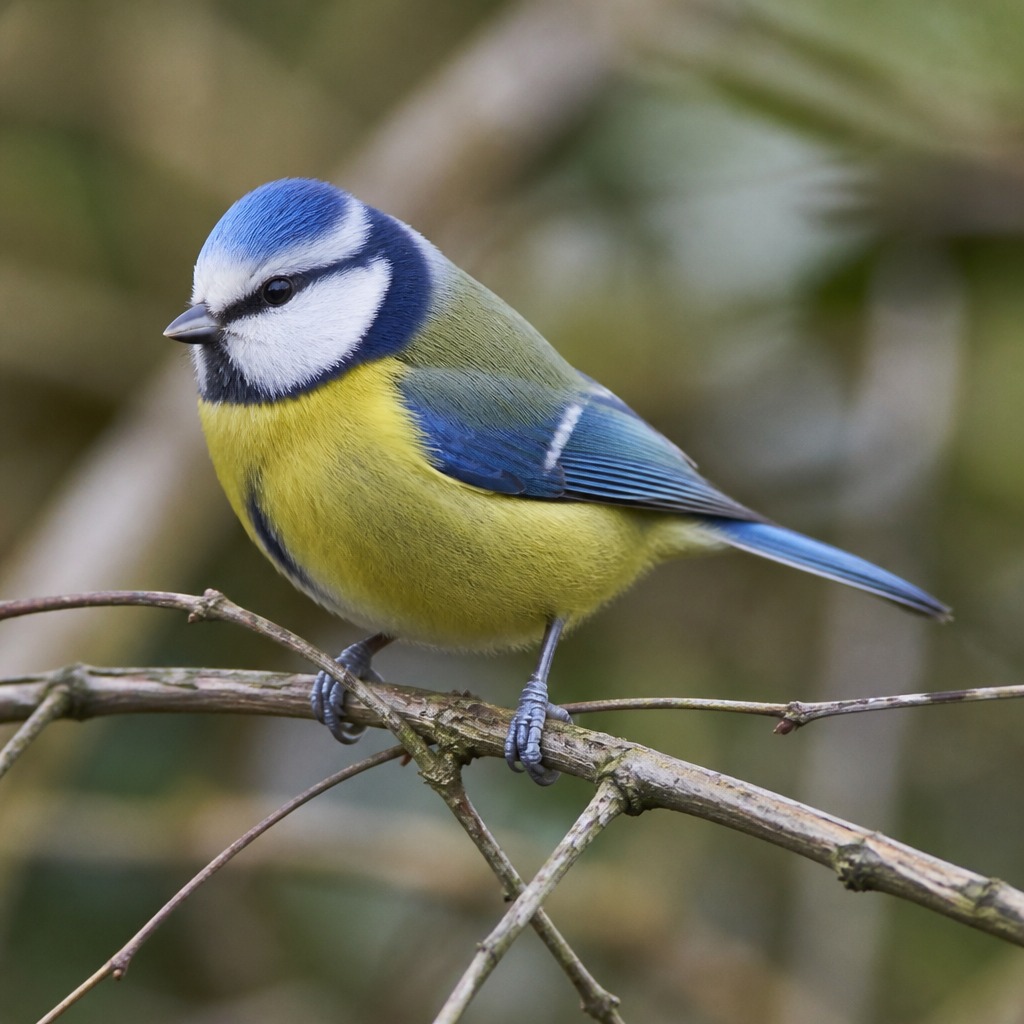
Eurasian Blue Tit
Cyanistes caeruleus
A small, acrobatic woodland bird with striking blue and yellow plumage, known for frequenting garden bird feeders and hanging upside down while foraging.
Explore Eurasian Blue Tit in the encyclopedia →Identify your own birds.
Get a report just like this from any photo or call, free.
Plumage & appearance
Azure blue crown, white face with a dark blue-black stripe through the eye and around the back of the neck, yellow underparts, and greenish-blue wings and tail.
Key field marks
Small size, electric-blue cap, yellow belly, white face, and black eye-stripe.
Size & weight
Length: 11.5 - 12 cm, Wingspan: 17 - 20 cm, Weight: 9 - 12 g
Voice — call & song
The recording features a high-pitched, silvery trill that starts on a high note and drops into a rapid, bubbling chatter.
Diet & foraging
Mainly insects, spiders, seeds, and nuts; avid visitor of suet and seed feeders in winter.
Habitat
Deciduous and mixed woodlands, parks, orchards, and suburban gardens.
Migration & movement
Non-migratory resident, though northern populations may irrupt south in search of food during harsh winters.
Nesting & breeding
Nests in tree cavities, nest boxes, and crevices in walls, laying 7 to 12 eggs in a cup-shaped nest lined with moss, hair, and feathers.
Similar species
Great Tit, which is larger with a black cap and a distinct black stripe down its yellow chest.
Ecological significance
Acts as a crucial predator of forest insects, helping to control pest populations like caterpillars and aphids, and serves as an important seed disperser.
Conservation status
Least Concern
Observation tips
Look in deciduous woodlands, parks, and gardens; easily attracted to hanging fat balls, peanuts, and sunflower seeds.
Interesting facts
Eurasian Blue Tits are famous for learning how to pierce the foil lids of milk bottles left on British doorsteps in the 1920s and 30s to drink the cream.
More like this