Order: Charadriiformes, Family: Scolopacidae
Willet
Tringa semipalmata
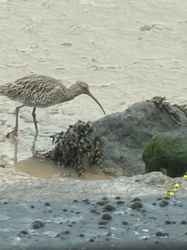
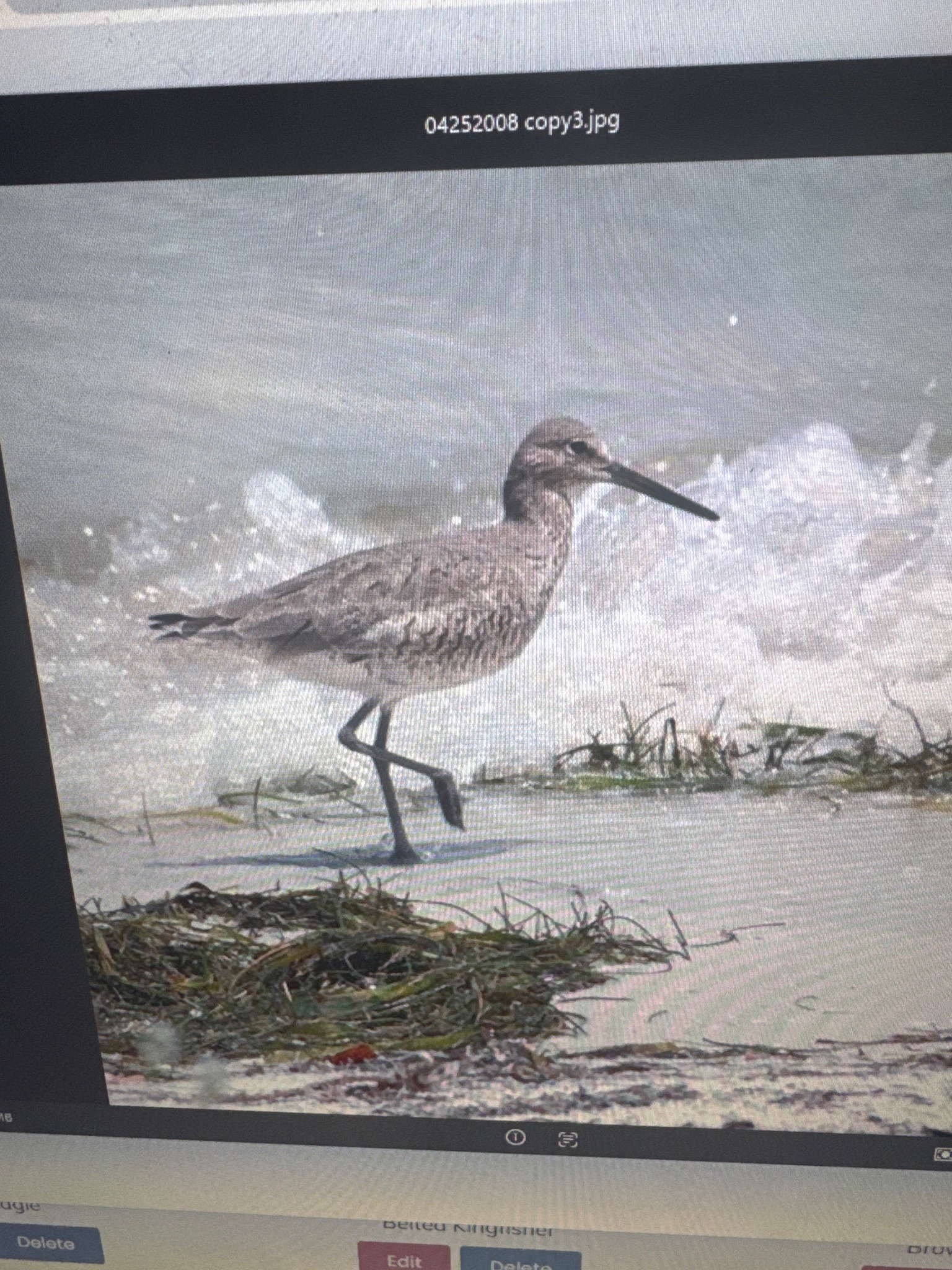
A large, robust shorebird with a straight, stout, dark bill and relatively long, dark bluish-gray legs. They are often vocal and conspicuous along sandy beaches and mudflats.
Explore Willet in the encyclopedia →Identify your own birds.
Get a report just like this from any photo or call, free.
Plumage & appearance
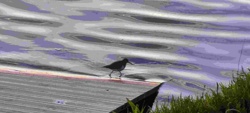
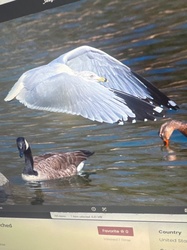
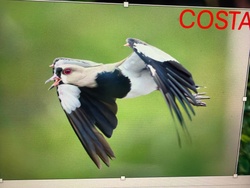
Non-breeding (winter) plumage is plain greyish-brown above and whitish below, making them look rather nondescript on beaches. Breeding plumage shows heavy dark barring and spotting on a buff-gray background. In flight, they reveal a striking, unmistakable bold white wing stripe bordered in black.
Key field marks
Stout dark bill, bulky greyish body, long dark legs, and in flight, the brilliant black-and-white wing pattern.
Size & weight
Length: 33-41 cm (13-16 in), Wingspan: 70-78 cm (28-31 in), Weight: 200-330 g
Voice — call & song
A loud, ringing, repetitive pill-will-willet or kear-kee-kee call, especially noisy when defending territory or disturbed.
Diet & foraging
Invertebrates including insects, crabs, marine worms, mollusks, and small fish; sometimes feeds on seeds and plant matter during migration.
Habitat
Coastal mudflats, sandy beaches, saltmarshes, estuaries, and inland freshwater wetlands or wet prairies during the breeding season.
Migration & movement
Migratory, traveling in flocks from northern breeding grounds to southern coastal wintering areas.
Nesting & breeding
Nests on the ground in a shallow scrape hidden in tall grass or vegetation near water. Clutch size is typically 4 eggs. Both parents incubate and fiercely defend the nest.
Similar species
Greater Yellowlegs and Godwits. Willets can be distinguished by their stockier build, thicker and straighter bill, dark grey legs (not bright yellow), and the bold white wing stripe in flight.
Ecological significance
As predators of aquatic invertebrates and crabs, Willets play an important role in regulating prey populations and serve as bioindicators of coastal wetland health.
Conservation status
IUCN Least Concern, with stable populations though locally impacted by coastal development and habitat loss.
Observation tips
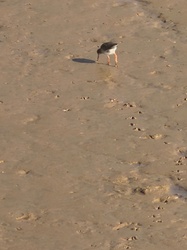
Look for them actively probing in wet sand or mud along the shoreline. They are easily alerted and will often give a loud, piping alarm call while flashing their distinctive wings.
Interesting facts
Willets are fiercely defensive parents and will actively mob potential predators, including hawks and humans, while vocalizing loudly near their nesting territories.
More like this