Order: Columbiformes; Family: Columbidae
Inca Dove
Columbina inca
A small, slender dove with a long tail and a unique 'scaly' feather pattern. They are social birds often seen in pairs or small flocks, known for their 'pyramid' roosting behavior where they huddle together to stay warm.
Explore Inca Dove in the encyclopedia →Identify your own birds.
Get a report just like this from any photo or call, free.
Plumage & appearance
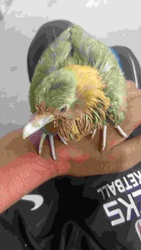
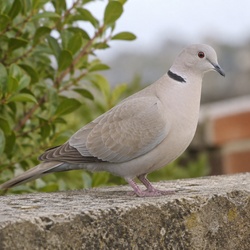
Highly distinctive scaly appearance created by dark edges on grayish-tan feathers. In flight, the underwings show prominent rufous (reddish-brown) primary feathers and white outer tail feathers. Sexes are similar, though females and juveniles may appear slightly paler or less distinctly scaled.
Key field marks
Small size, long square-ended tail, conspicuous 'scaly' pattern over the entire body, and rufous wing patches visible in flight.
Size & weight
Length: 6.5-9.1 in (16.5-23 cm); Wingspan: 11-12.5 in (28-32 cm); Weight: 1.1-2.0 oz (30-58 g).
Voice — call & song
A repeated, mournful two-note coo, often described as sounding like 'no hope' or 'cow-ard.'
Diet & foraging
Primarily granivorous, eating a variety of small seeds from grasses and weeds, as well as cultivated grains. They forage almost exclusively on the ground.
Habitat
Arid to semi-arid open areas, including thorn scrub, parks, gardens, and residential neighborhoods. They are highly commensal with humans.
Migration & movement
Non-migratory resident; they generally stay in the same area throughout the year, though they may expand their range during favorable conditions.
Nesting & breeding
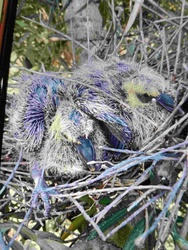
Builds a flimsy platform nest of twigs and grass, usually in a tree or shrub 5-20 feet off the ground. They typically lay 2 white eggs and may raise multiple broods per year (up to 4-5).
Similar species
Common Ground-Dove (shorter tail, more spotted wing coverts, less scaly appearance) and Mourning Dove (much larger, pointed tail, lacks scaly pattern).
Ecological significance
Functions as a seed disperser and a food source for urban and rural predators like hawks and domestic cats. They are well-adapted to human-altered landscapes.
Conservation status
Least Concern (IUCN); population is stable and expanding northward in some areas.
Observation tips
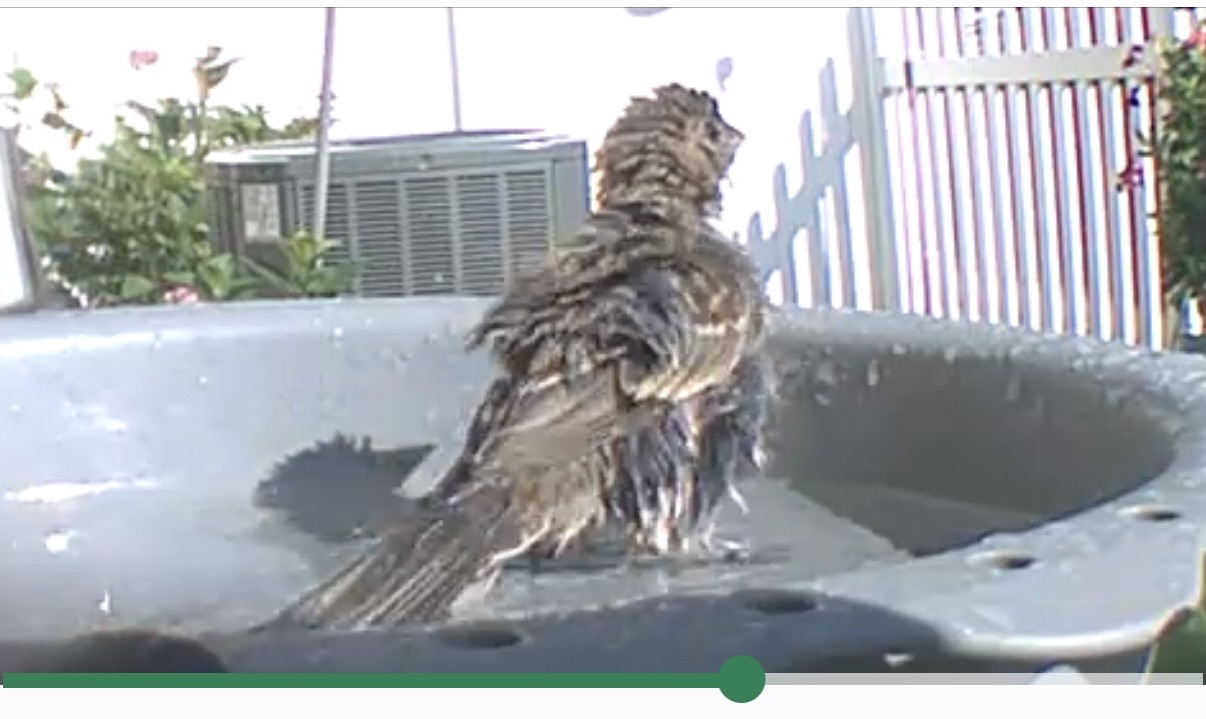
Look for them on the ground in suburban parks or backyards. They are frequent visitors to bird baths and ground feeders. Listen for their monotonous two-note call near residential areas.
Interesting facts
During cold weather, Inca Doves practice 'pyramid roosting,' where up to 12 birds pile on top of each other in stacks up to three tiers high to conserve body heat.
More like this