Order: Columbiformes; Family: Columbidae
Mourning Dove
Zenaida macroura
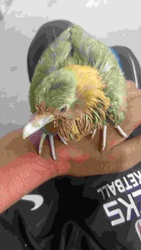
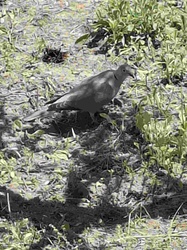
A slender, medium-sized bird with a long, pointed tail. Adults are known for their soft, rhythmic cooing and swift flight; nestlings are distinctive for their scruffy appearance in the nest.
Explore Mourning Dove in the encyclopedia →Identify your own birds.
Get a report just like this from any photo or call, free.
Plumage & appearance
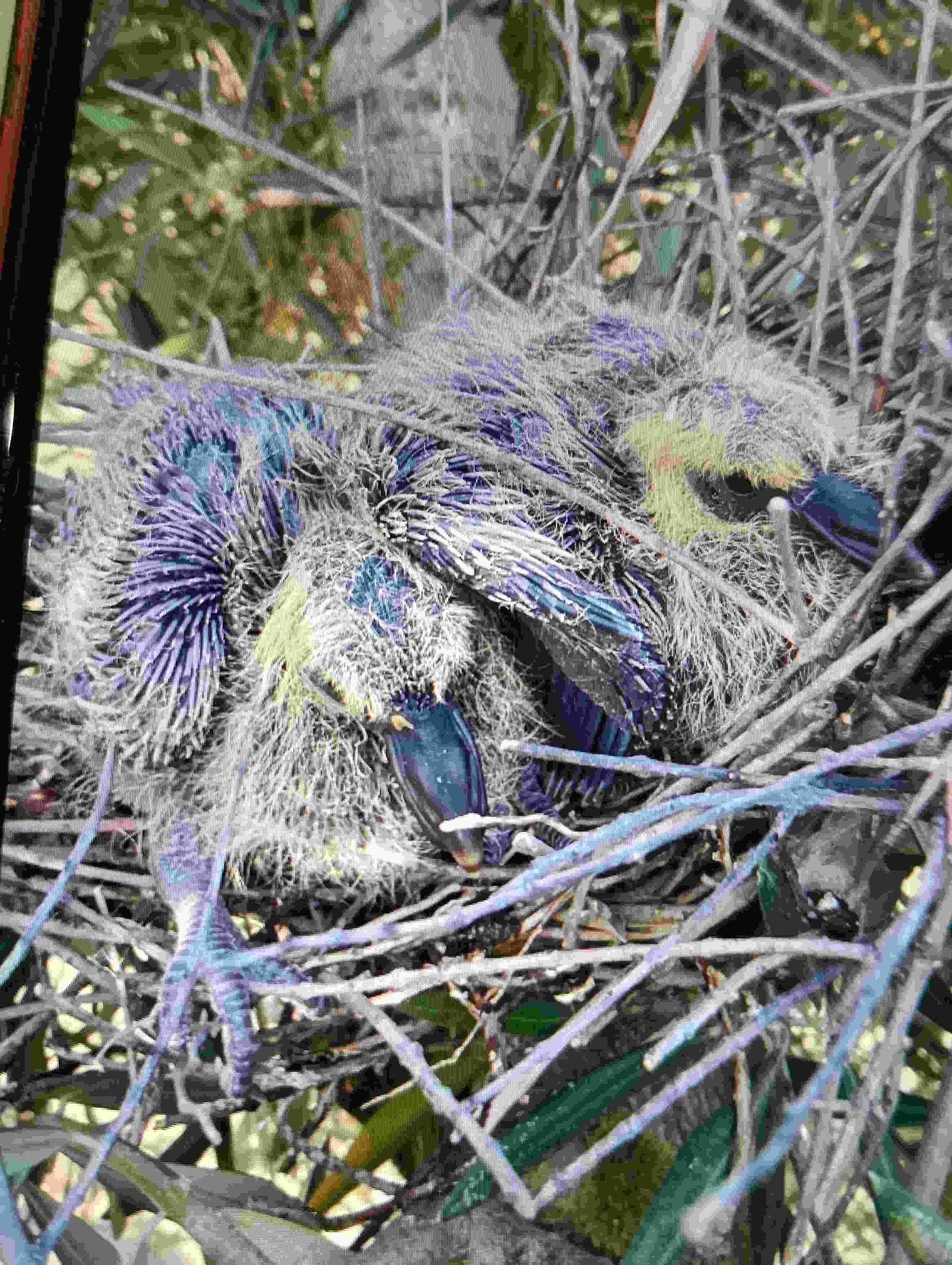
Adults are grayish-brown with black spots on wings and a pinkish wash on the breast. This image shows squabs (nestlings) with sparse gray down and blue-purple feather sheaths emerging from the skin.
Key field marks
Slender tail tipped with white, black spots on wings, and a small black spot on the cheek below the eye.
Size & weight
Length: 9-13 inches (23-34 cm); Wingspan: 17-18 inches (43-45 cm); Weight: 3.4-6.0 oz (96-170 g).
Voice — call & song
A mournful, soft 'coo-OO-oo-oo-oo' that is often mistaken for an owl.
Diet & foraging
Primary granivores, eating almost exclusively seeds from weeds, grasses, and grains; they forage on the ground.
Habitat
Open and semi-open habitats, including agricultural fields, suburban gardens, parks, and light woods.
Migration & movement
Partial migrant; northern populations move south for winter, while many southern and central populations are permanent residents.
Nesting & breeding
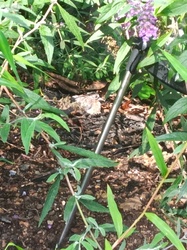
Build flimsy stick platforms in trees or bushes; typically lay 2 white eggs. Both parents feed young 'crop milk' for the first few days of life.
Similar species
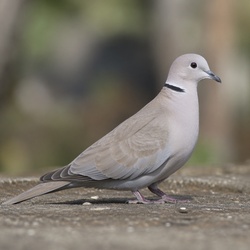
Eurasian Collared-Dove (larger, squared tail, black neck ring) and White-winged Dove (white wing patches).
Ecological significance
Significant as a prey species for raptors and a major consumer of weed seeds, assisting in seed dispersal.
Conservation status
Least Concern (IUCN); population is stable and is one of the most abundant birds in North America.
Observation tips
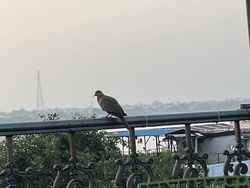
Easily observed in suburban backyards at bird feeders or perched on telephone wires. Avoid approaching nests too closely to prevent parents from flushing or abandoning the young.
Interesting facts
Mourning Doves can survive in desert conditions by drinking brackish water, and they have the ability to store vast amounts of seeds in their crop for later digestion.
More like this