Order: Anseriformes, Family: Anatidae
Australian Shelduck
Tadorna tadornoides
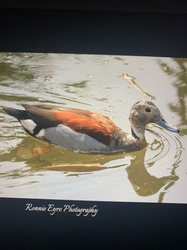
A large, goose-like duck with a striking contrast of chestnut, black, white, and grey plumage. It is a confident swimmer and often grazes on open grasslands near water.
Explore Australian Shelduck in the encyclopedia →Identify your own birds.
Get a report just like this from any photo or call, free.
Plumage & appearance
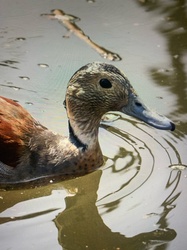
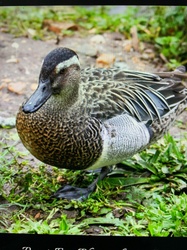
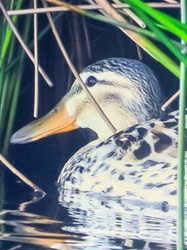
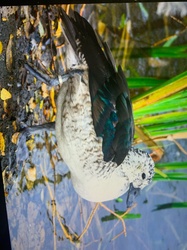
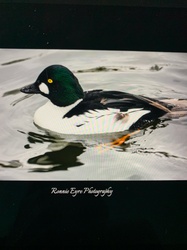
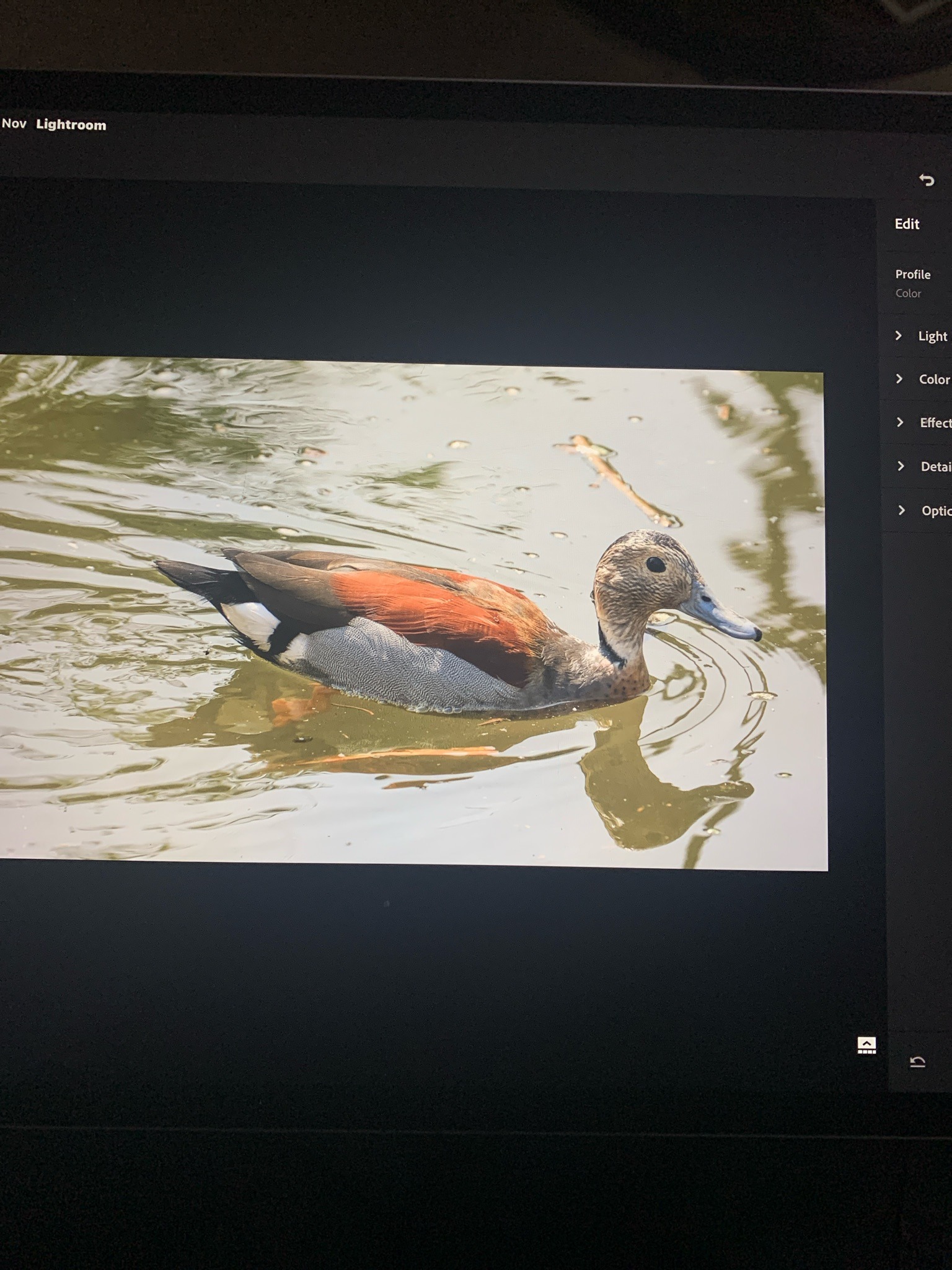
Adult males have a dark green head, a prominent white collar, a chestnut-brown breast, blackish back and tail, and grey flanks with fine vermiculations. Females are similar but feature a distinct white eye-ring and white facial markings around the base of the bill. Juveniles are duller and browner overall with less defined patterns.
Key field marks
Large size, white collar separating the dark green head from the chestnut breast, grey finely-patterned flanks, and a pale grey bill.
Size & weight
Length: 55–73 cm, Wingspan: 100–127 cm, Weight: 1.1–1.7 kg
Voice — call & song
Females produce a loud, repetitive, trumpeting honk or 'clanging' call (often described as 'ar-ook'), while males emit a softer, higher-pitched whistle.
Diet & foraging
Herbivorous; feeds primarily on grasses, seeds, herbs, and occasionally aquatic insects and crustaceans by grazing on land or dabbling in shallow water.
Habitat
Found in a variety of wetland habitats, including lakes, swamps, estuaries, flooded pastures, and agricultural fields close to fresh or brackish water.
Migration & movement
Partial migrant and nomadic; many birds undergo long-distance seasonal movements to traditional molting sites after the breeding season.
Nesting & breeding
Nests in hollows of large mature trees, rabbit burrows, or sheltered crevices on the ground, lined with down feathers. Clutch size is typically 5 to 14 creamy-white eggs.
Similar species
Can be confused with the Paradise Shelduck of New Zealand, but the Australian Shelduck is distinguished by its chestnut breast and grey flanks rather than a dark body.
Ecological significance
Acts as a seed disperser and helps control aquatic and terrestrial vegetation through grazing, while serving as prey for native raptors and foxes.
Conservation status
IUCN Least Concern with a stable population trend.
Observation tips
Look for them in open agricultural fields, farm dams, shallow lakes, and coastal estuaries. They are generally wary, so approach slowly using binoculars or a telephoto lens.
Interesting facts
Unlike many typical ducks, Australian Shelducks form strong, long-term pair bonds that can last for multiple breeding seasons, and both parents aggressively defend their brood.
More like this