Order: Anseriformes, Family: Anatidae
Pekin Duck
Anas platyrhynchos domesticus
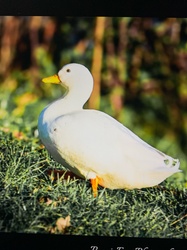
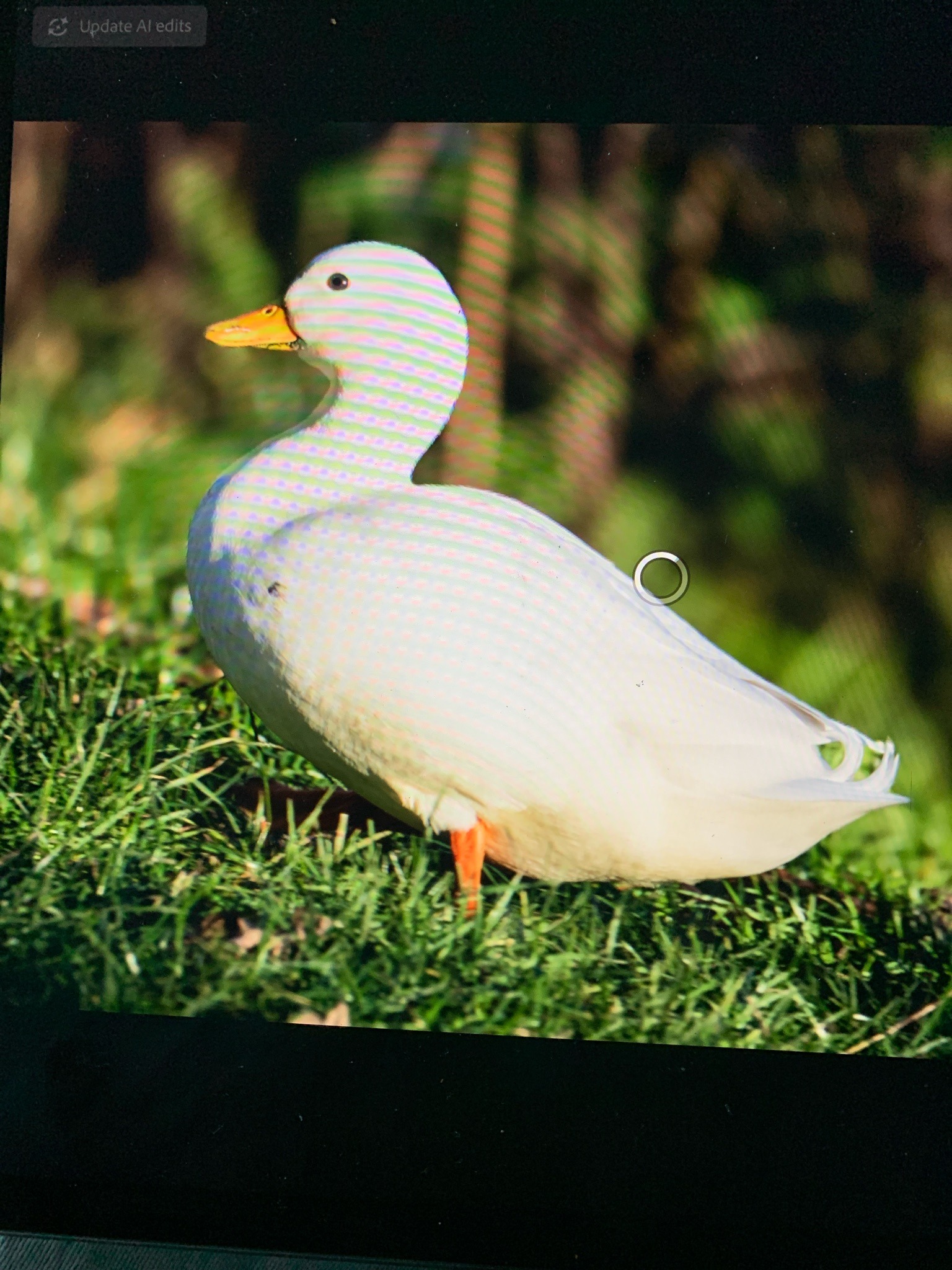
A large, heavy-set white domestic duck with an upright posture, bright yellow-orange bill, and orange legs. They are generally docile and flightless or poor fliers due to their heavy weight.
Explore Pekin Duck in the encyclopedia →Identify your own birds.
Get a report just like this from any photo or call, free.
Plumage & appearance
Both males and females have entirely white plumage. Their bills are bright yellow or orange, and their legs and feet are reddish-orange. Juveniles resemble adults.
Key field marks
All-white plumage, stout yellowish-orange bill, orange feet and legs, and a prominent upright body posture.
Size & weight
Length: 50-65 cm, Wingspan: 85-95 cm, Weight: 3.5 to 5 kg
Voice — call & song
Females produce a loud, classic 'quack', while males produce a softer, raspier sound.
Diet & foraging
Omnivorous; feeds on grains, grasses, aquatic plants, insects, small fish, and commercially prepared poultry feed.
Habitat
Agricultural farms, backyard coops, and artificial ponds or lakes in public parks.
Migration & movement
Non-migratory resident, heavily dependent on human care.
Nesting & breeding
Lays large clutches of tinted white or green eggs in simple ground nests or nest boxes provided by humans; incubation takes about 28 days.
Similar species
Aylesbury Duck (which has a pinkish-white bill and flesh-colored legs) and white morphs of other domestic duck breeds.
Ecological significance
As domestic agricultural animals, they help control pest insects and weeds in farming systems, and their manure contributes to nutrient cycling on farms.
Conservation status
Not applicable for wild IUCN red list as they are a domesticated breed, though widespread and secure globally.
Observation tips
Easily observed in domestic farmyards, agricultural exhibits, and public parks where people feed ducks.
Interesting facts
Pekin ducks are the most popular commercial duck breed in the United States, primarily raised for meat and egg production. Their white feathers and skin made them preferred over darker-feathered breeds for commercial processing.
More like this