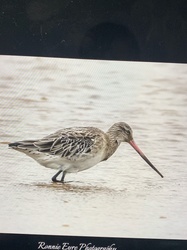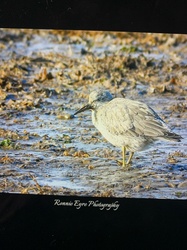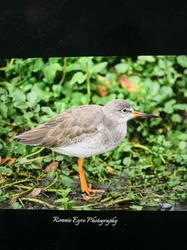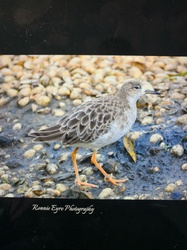
Order: Charadriiformes, Family: Scolopacidae
Black-tailed Godwit
Limosa limosa
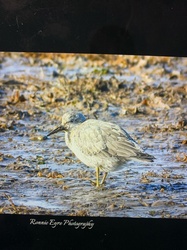
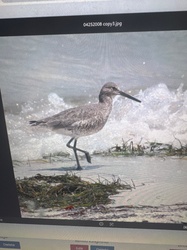
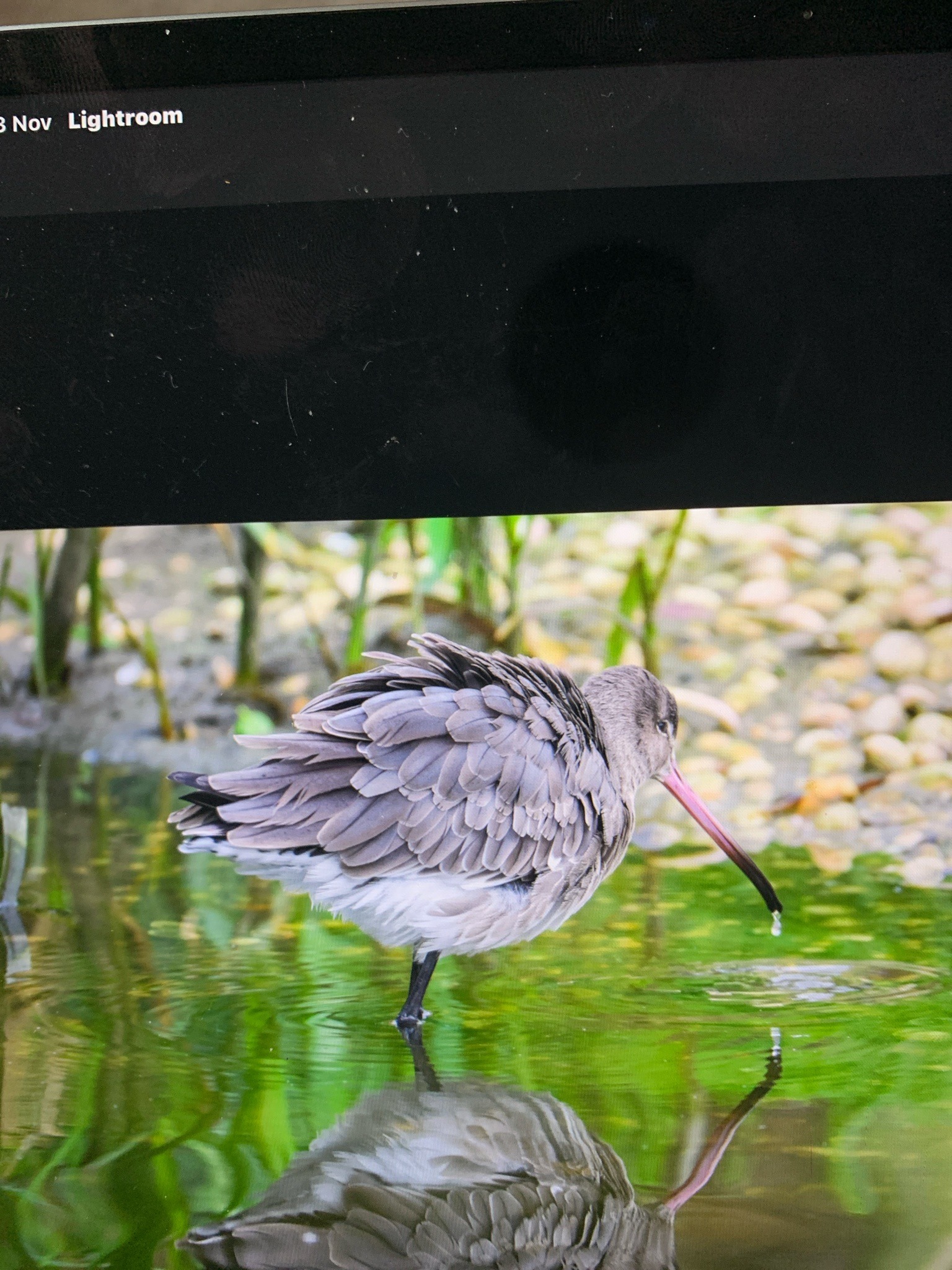
A large, long-legged, long-billed shorebird with a straight or slightly upturned bill that is pinkish-orange at the base and dark at the tip. Often seen probing in shallow wetlands.
Explore Black-tailed Godwit in the encyclopedia →Identify your own birds.
Get a report just like this from any photo or call, free.
Plumage & appearance
Breeding adults have rich orange-red head, neck, and breast, with dark barring on the flanks and back. Non-breeding adults are dull grayish-brown above and pale grey below. Juveniles resemble non-breeding adults with warm buff tones.
Key field marks
Long pink-based bill, long dark legs, striking white wing stripe in flight, and white tail with a broad black terminal band.
Size & weight
Length: 37-42 cm, Wingspan: 70-82 cm, Weight: 160-500 g
Voice — call & song
A loud, carrying 'wit-wit-wit' or rhythmic 'grutto' alarm call, which inspired its Dutch name.
Diet & foraging
Insects, crustaceans, molluscs, and occasionally plant material, foraged by probing deep into mud with its sensitive bill.
Habitat
Inland wetlands, wet meadows, flooded pastures, estuaries, and mudflats.
Migration & movement
Long-distance migrant. Populations travel from breeding grounds in Europe and Asia to wintering sites in Africa, southern Europe, and Australia.
Nesting & breeding
Ground nester in shallow scrapes lined with vegetation in damp meadows. Usually lays 4 eggs. Both parents incubate and tend to the precocial chicks.
Similar species
Bar-tailed Godwit (Limosa lapponica), which has a more strongly upturned bill, barred underwings, and lacks the bold black-and-white wing pattern in flight.
Ecological significance
Acts as an important predator of aquatic invertebrates, helping regulate benthic populations in wetland and estuarine ecosystems.
Conservation status
Near Threatened globally, with declining populations due to habitat loss and agricultural intensification.
Observation tips
Look for them in wet grasslands, mudflats, and shallow inland lakes, especially during migration periods. Use a spotting scope for distant flocks.
Interesting facts
One individual, a Bar-tailed Godwit closely related to the Black-tailed, holds the record for the longest non-stop bird migration, flying over 13,000 kilometers from Alaska to New Zealand.