Order: Psittaciformes, Family: Psittacidae
Blue-and-yellow Macaw
Ara ararauna
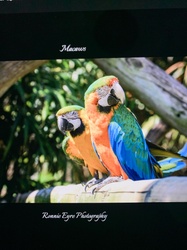
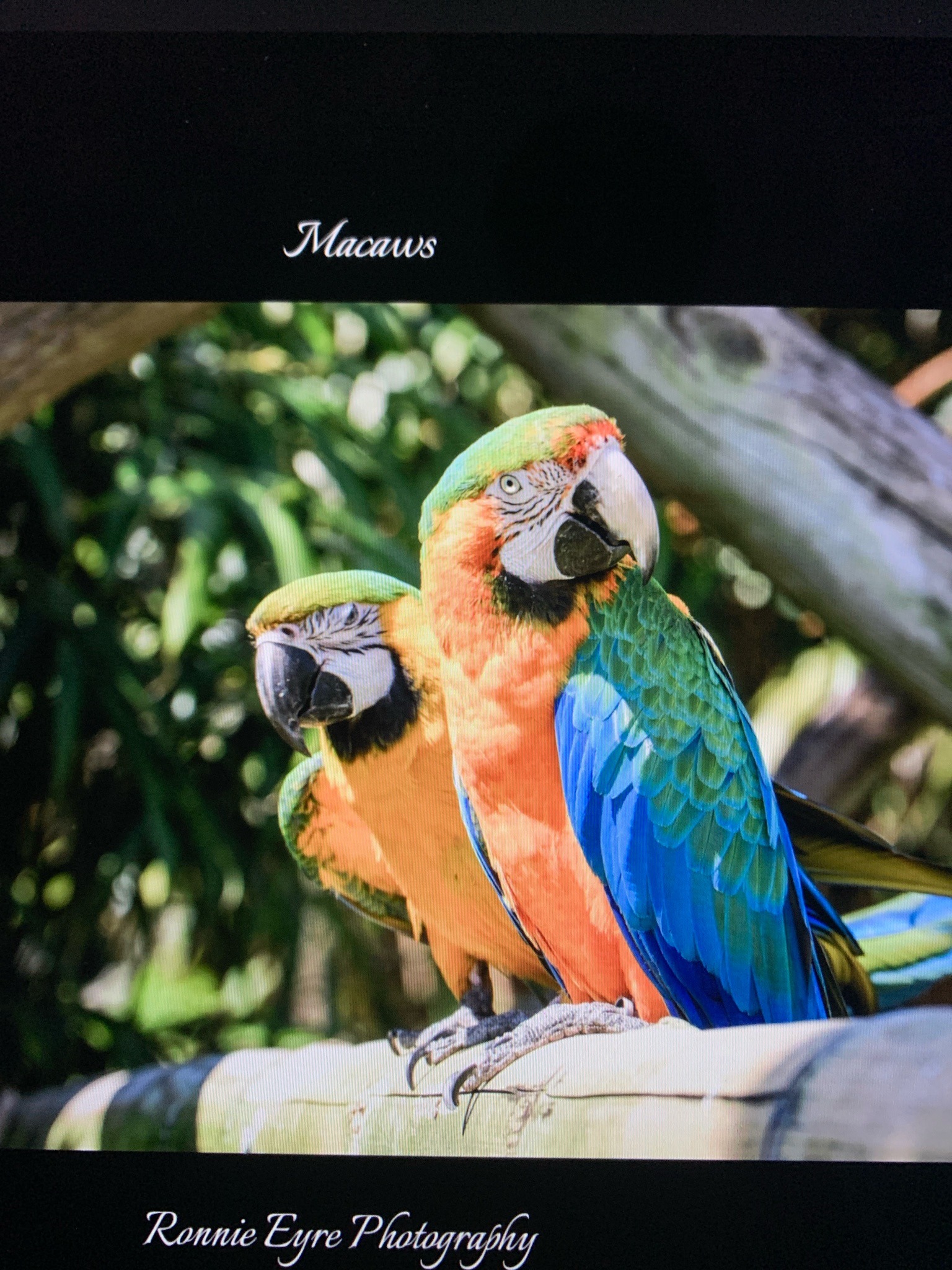
A large, striking parrot known for its bright blue and yellow coloration, long tail, and powerful black bill. They are social, highly intelligent birds often seen in pairs or small flocks.
Explore Blue-and-yellow Macaw in the encyclopedia →Identify your own birds.
Get a report just like this from any photo or call, free.
Plumage & appearance
Vibrant blue upperparts, bright golden-yellow underparts, a green forehead leading to a crown, and a black chin patch. The naked facial skin is whitish with small black feathers arranged in distinct lines. Males and females have very similar plumage, though males may be slightly larger with broader heads.
Key field marks
Bright blue wings and tail, golden-yellow underparts, green forehead, white bare facial skin with fine black feather lines, and a massive black bill.
Size & weight
Length: 76-86 cm (30-34 inches); Wingspan: 104-114 cm (41-45 inches); Weight: 900-1,500 grams.
Voice — call & song
Loud, high-pitched, echoing squawks, growls, and screams that can carry for long distances across the forest canopy.
Diet & foraging
Primarily seeds, nuts, fruits, and vegetation. They use their immensely strong bills to crack open hard nutshells and occasionally ingest clay from riverbanks to neutralize toxins.
Habitat
Forests, woodlands, and savannahs, particularly associated with flooded tropical forests and river edges rich in tall trees.
Migration & movement
Non-migratory resident, though they may make local nomadic movements in search of seasonal food sources.
Nesting & breeding
Nests in cavities of dead trees or palm trunks high above the ground. Typically lays a clutch of 2 to 3 eggs, incubated mainly by the female for about 28 days.
Similar species
Can be confused with the Blue-throated Macaw (Ara glaucogularis), which has more blue on the throat and lacks the black chin patch.
Ecological significance
Acts as an important seed disperser in tropical rainforest ecosystems, helping to maintain forest diversity.
Conservation status
Least Concern, with populations stable or decreasing in certain areas due to habitat loss and the pet trade.
Observation tips
Look and listen for them in the canopy of rainforests, river edges, and palm groves, particularly in the morning and late afternoon when they are most active and vocal.
Interesting facts
Blue-and-yellow macaws form strong monogamous pair bonds that last for life. They can live for over 50 years in captivity and are renowned for their high intelligence and ability to mimic sounds.
More like this