Order: Psittaciformes, Family: Psittacidae
Scarlet Macaw
Ara macao
A large, brilliantly colored Neotropical parrot known for its striking red, yellow, and blue feathers, strong curved bill, and social, intelligent behavior.
Explore Scarlet Macaw in the encyclopedia →Identify your own birds.
Get a report just like this from any photo or call, free.
Plumage & appearance
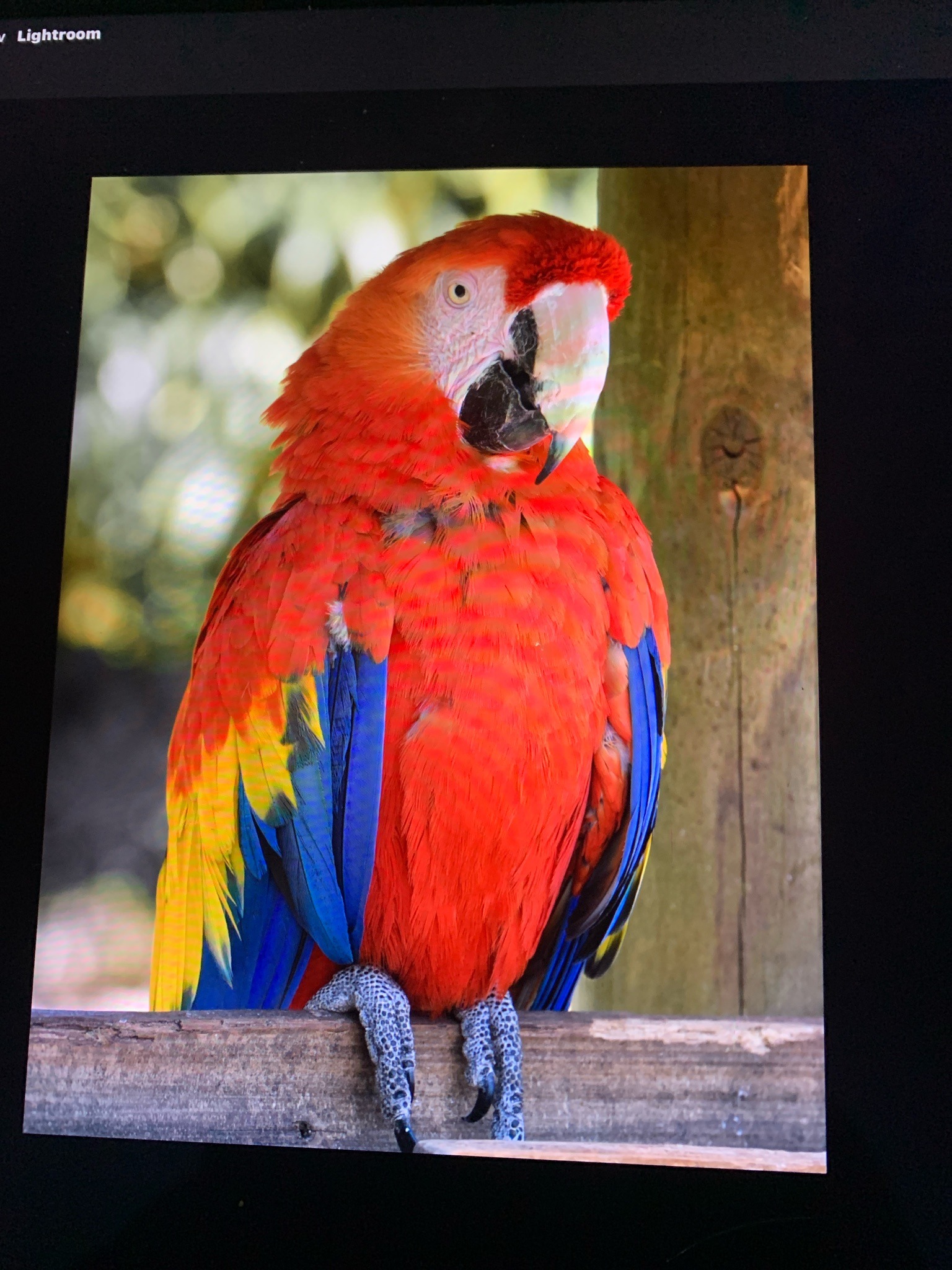
Predominantly bright red plumage with vibrant yellow wing coverts and dark blue flight feathers and tail tips. Naked white facial skin with fine black feather lines. No significant visual difference between adult males and females, though juveniles have darker eyes and shorter tails.
Key field marks
Bright red overall body, brilliant yellow wing feathers, blue lower back and tail/wing tips, and white facial skin patch.
Size & weight
Length: 81 to 96 cm (32 to 38 inches); Wingspan: approximately 100 to 105 cm; Weight: 900 to 1,500 grams.
Voice — call & song
Loud, high-pitched, metallic screeches, squawks, and roars that can carry for long distances across the canopy.
Diet & foraging
Primarily frugivorous, feeding on seeds, nuts, fruits, flowers, and occasionally clay from river banks to neutralize toxins from their food.
Habitat
Humid lowland evergreen tropical forests, forest edges, and semi-open woodlands.
Migration & movement
Non-migratory resident, though they may make local seasonal movements in search of preferred fruiting trees.
Nesting & breeding
Nests in natural cavities and hollows high up in mature rainforest trees, typically laying 2 to 4 eggs with both parents participating in rearing.
Similar species
Green-winged Macaw (Ara chloropterus), which has green wing coverts instead of yellow and fine red lines around the facial skin.
Ecological significance
Acts as an important seed disperser in tropical rainforest ecosystems, helping regenerate forest trees and maintaining plant diversity.
Conservation status
Least Concern globally, though populations in Central America are heavily fragmented and endangered locally.
Observation tips
Listen for loud, harsh screeches in the forest canopy, especially during early morning and late afternoon when they gather in fruiting trees.
Interesting facts
Scarlet macaws form lifelong monogamous pairs and can live up to 50 years or more in the wild.
More like this