Order: Anseriformes, Family: Anatidae
Comb Duck
Sarkidiornis melanotos
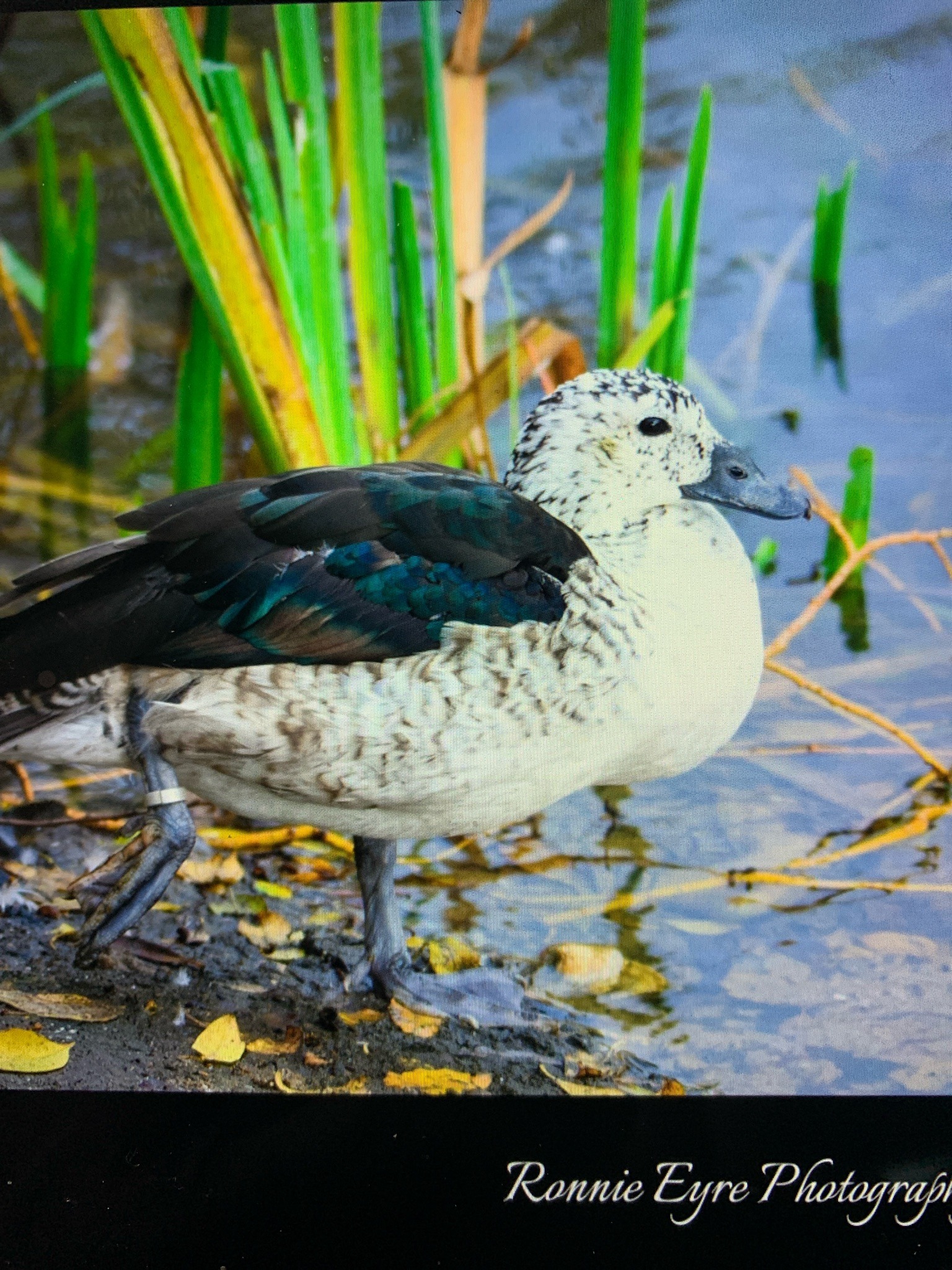
A large, distinct perching duck with an upright goose-like posture, dark iridescent wings, and a heavily speckled white head and neck. Males are famous for the fleshy comb on their bill.
Explore Comb Duck in the encyclopedia →Identify your own birds.
Get a report just like this from any photo or call, free.
Plumage & appearance
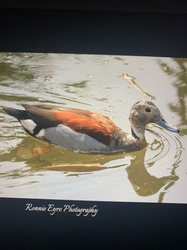
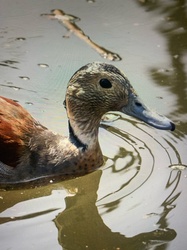
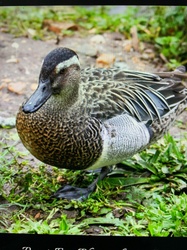
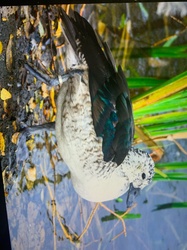
Head and neck are white with fine black speckling. The upperparts are glossy black with striking iridescent green, blue, and bronze reflections, especially on the wings. Underparts are whitish. Males are significantly larger and feature a prominent, fleshy black comb or knob at the base of the bill, which enlarges during the breeding season. Females are smaller, duller, and lack or have a very reduced comb.
Key field marks
Large size, upright stance, heavily speckled white head and neck, dark iridescent wings, and the distinctive black fleshy comb on the male's bill.
Size & weight
Length: 56-76 cm (22-30 inches), Wingspan: 115-145 cm (45-57 inches), Weight: 1.3-2.6 kg (2.9-5.7 lbs). Males are noticeably larger than females.
Voice — call & song
Generally quiet outside of the breeding season. Emits low grunts, soft whistles, or wheezing calls, especially when disturbed or in flight.
Diet & foraging
Primarily vegetarian, feeding on vegetation, grasses, seeds, water lilies, and occasionally small fish, frogs, and insects. Forages by grazing on land or dabbling in shallow water.
Habitat
Freshwater wetlands, flooded savannas, marshes, seasonally inundated grasslands, and rivers in tropical and subtropical lowlands.
Migration & movement
Mainly sedentary or resident, but undertakes local or regional nomadic movements following seasonal rains and water availability.
Nesting & breeding
Usually nests in tree cavities, hollows, or occasionally on the ground hidden in dense tall grass or even in old raptor nests. Lays a clutch of 7 to 15 yellowish-white eggs. Incubation is done primarily by the female.
Similar species
Other large tropical ducks or geese, but the Comb Duck's combination of the fleshy bill-comb (in males), glossy dark wings, and speckled white head makes it unmistakable.
Ecological significance
Acts as a seed disperser and plays a role in aquatic food webs by consuming vegetation, insects, and small aquatic organisms.
Conservation status
Least Concern, with a widespread global distribution, though local populations can be affected by wetland degradation and hunting.
Observation tips
Look for them perched high in dead trees near water or wading in shallow wetlands and flooded grasslands. Scan large bodies of fresh water in tropical regions during early morning or late afternoon.
Interesting facts
Despite being part of the duck family (Anatidae), Comb Ducks frequently perch in trees and have strong claws adapted for gripping branches, earning them the classification of a perching duck.
More like this