Order: Passeriformes, Family: Troglodytidae
House Wren
Troglodytes aedon
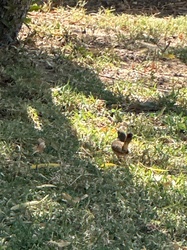
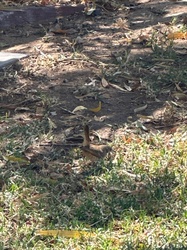
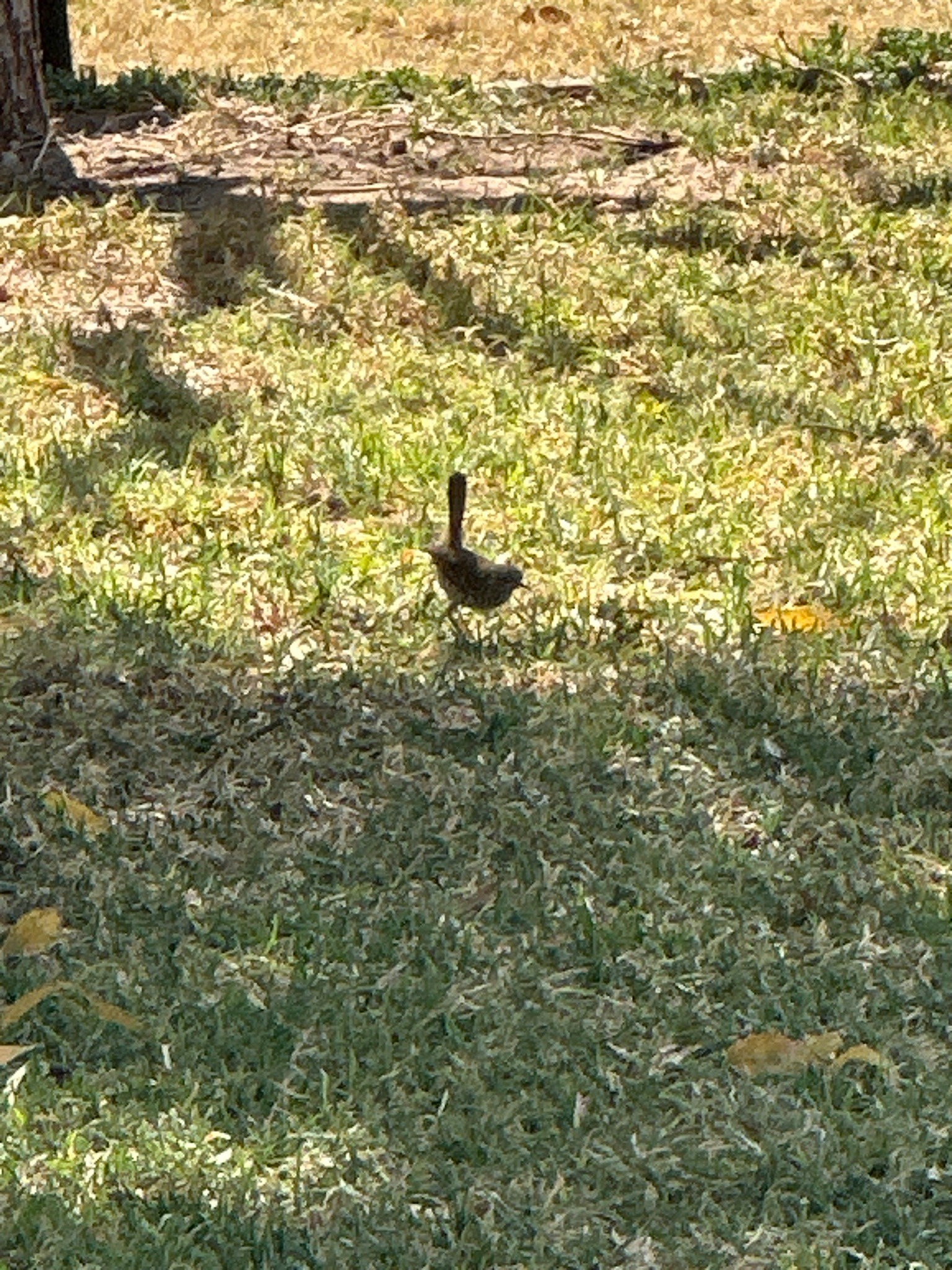
A tiny, active brown bird often seen with its short, barred tail cocked upright. Known for its bubbly, energetic song and constant movement while foraging.
Explore House Wren in the encyclopedia →Identify your own birds.
Get a report just like this from any photo or call, free.
Plumage & appearance
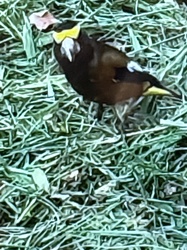
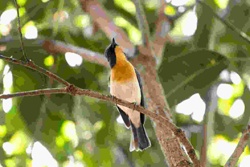
Brown overall with darker barring on the wings, tail, and flanks. A faint pale eyebrow stripe is often visible. Sexes look alike; juveniles are slightly duller and more uniform in color.
Key field marks
Small size, plain brown plumage with darker barring on wings and tail, often cocked straight up, and lack of a strong eyebrow stripe.
Size & weight
Length: 11-13 cm, Wingspan: 15 cm, Weight: 10-12 g
Voice — call & song
A loud, bubbling, cascading series of musical trills and rattles delivered with great enthusiasm.
Diet & foraging
Insects and spiders, caught by foraging methodically through low vegetation and crevices.
Habitat
Open woodlands, forest edges, suburban gardens, parks, and farmlands with an abundance of brush and cavities.
Migration & movement
Northern populations are migratory, spending winters in the southern United States and Central America; southern populations are largely resident.
Nesting & breeding
Builds a messy twig nest inside tree cavities, birdhouses, or crevices. Clutch size ranges from 5 to 8 eggs. Breeding pairs are fiercely territorial.
Similar species
Winter Wren (smaller, shorter tail, darker overall) and Carolina Wren (larger, with a more pronounced white eyebrow stripe and warmer reddish-brown plumage).
Ecological significance
Acts as a natural pest controller by consuming large numbers of insects, and sometimes damages the eggs of competing cavity-nesting bird species.
Conservation status
Least Concern, with stable or increasing populations.
Observation tips
Look near human habitations, gardens, and forest edges, especially around nest boxes or brush piles. Listening for its loud, cascading song is often the best way to locate it.
Interesting facts
House wrens are notorious for puncturing the eggs of other birds nesting near their territory to eliminate competition for food and space.
More like this