Order: Pelecaniformes, Family: Pelecanidae
Brown Pelican
Pelecanus occidentalis
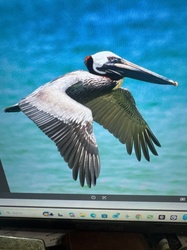
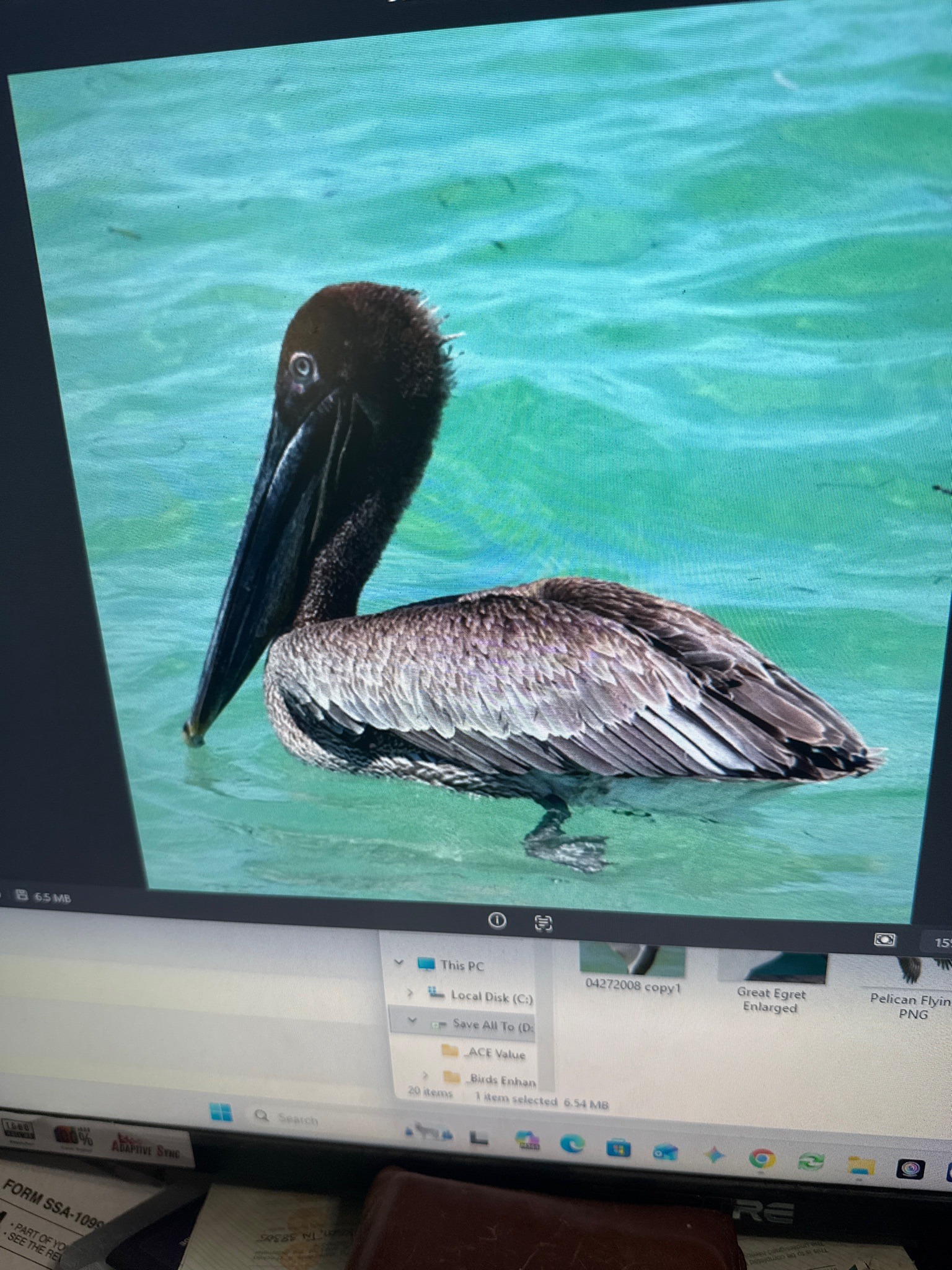
A large water bird with a long bill, a distensible throat pouch, and a dark grayish-brown body. Known for its spectacular plunge-diving technique to catch fish from the air.
Explore Brown Pelican in the encyclopedia →Identify your own birds.
Get a report just like this from any photo or call, free.
Plumage & appearance
Adults in breeding plumage have a dark neck, white head with a yellowish crown, and a velvety dark brown hindneck. Non-breeding adults have a white head and neck. Juveniles are mostly uniform grayish-brown with paler underparts.
Key field marks
Huge size, massive bill with a throat pouch, dark brownish body, and the habit of high-altitude plunge-diving into the water.
Size & weight
Length: 106-137 cm (42-54 in), Wingspan: 203-228 cm (80-90 in), Weight: 2.75-5.5 kg (6-12 lbs)
Voice — call & song
Generally silent, but adults make low, deep grunts or croaks at the nest. Chicks emit loud, raspy whistles when begging for food.
Diet & foraging
Primarily fish, especially schooling species like menhaden, herring, and anchovies, obtained by plunge-diving from heights of up to 60 feet.
Habitat
Marine and coastal environments, primarily salt-water bays, ocean shores, estuaries, and mangrove islands.
Migration & movement
Mainly resident or local wanderer; northernmost populations undertake seasonal movements to avoid severe freezing temperatures.
Nesting & breeding
Nests in colonies on remote coastal islands, mangroves, or cliffs. Builds a bulky platform of sticks and vegetation. Clutch size is typically 2 to 3 chalky white eggs.
Similar species
The Peruvian Pelican is larger and prefers colder Humboldt Current waters. The American White Pelican is much larger, white with black wingtips, and feeds by surface-dipping rather than plunge-diving.
Ecological significance
Acts as an important bioindicator of marine ecosystem health, particularly regarding coastal water quality and fish stock availability.
Conservation status
Least Concern, with populations generally stable or increasing following historic declines due to DDT pesticide use.
Observation tips
Look for them soaring in a V-formation low over ocean waves or perched on coastal piers, docks, and marker buoys.
Interesting facts
Brown Pelicans were severely threatened by the widespread use of the pesticide DDT in the mid-20th century, which caused eggshell thinning. Following the ban of DDT in 1972, their populations successfully rebounded.
More like this