Order Anseriformes, Family Anatidae
Canada Goose
Branta canadensis
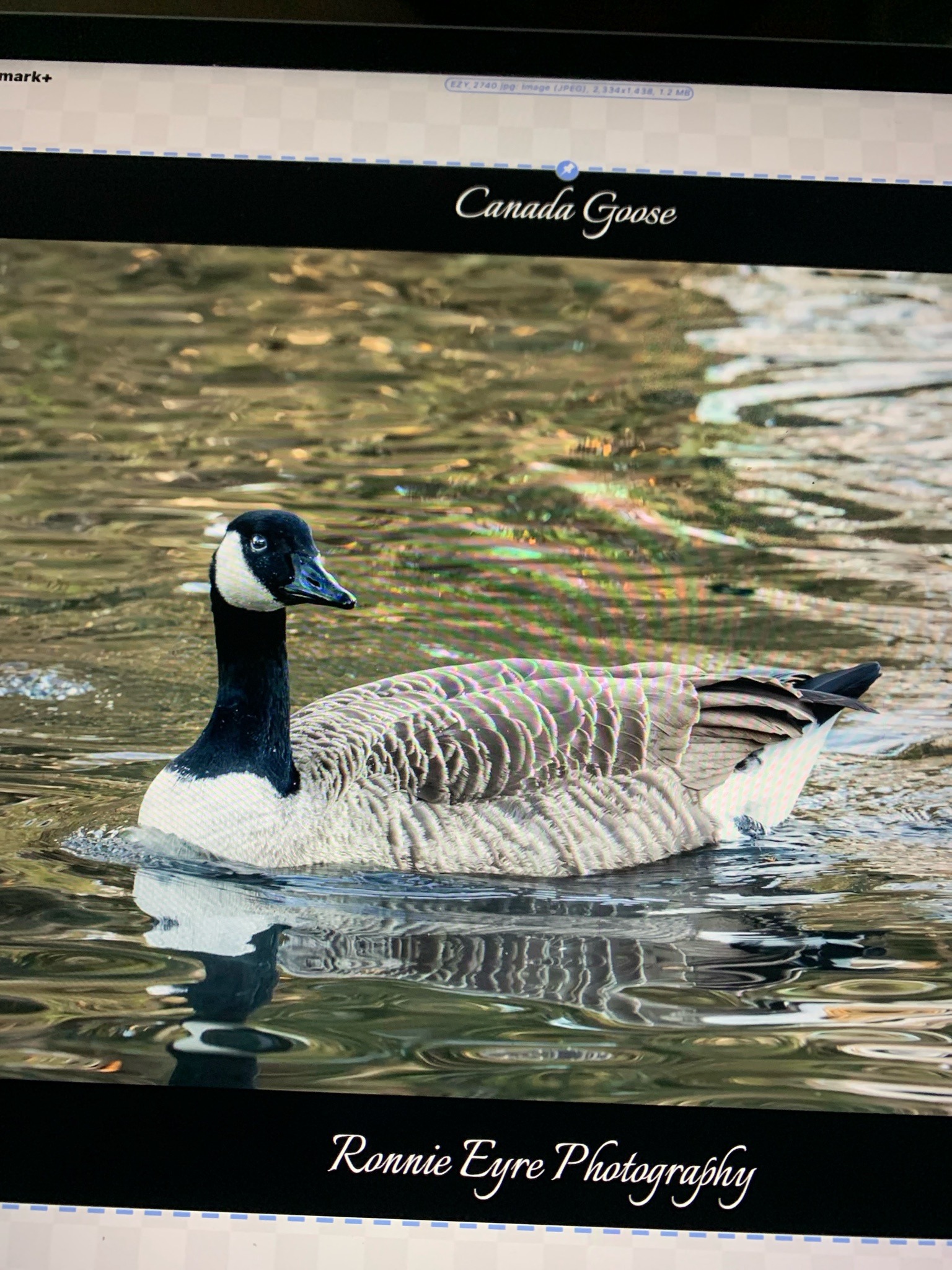
A large, easily recognizable goose with a long black neck, distinctive white chin patch, and brownish-gray body. Highly adaptable and often found in large flocks in parks, agricultural fields, and near water.
Explore Canada Goose in the encyclopedia →Identify your own birds.
Get a report just like this from any photo or call, free.
Plumage & appearance
Black head and neck contrasting with a distinct white 'chinstrap' patch extending from under the chin to behind the eye. Body is grayish-brown with lighter edgings on feathers giving a barred appearance. Underparts are lighter gray to off-white. Sexes are visually similar, though males tend to be slightly larger.
Key field marks
Black head and neck, contrasting white chinstrap, brownish-gray body, black bill and feet, and white rump patch visible in flight.
Size & weight
Length: 75–110 cm (30–43 inches). Wingspan: 127–185 cm (50–73 inches). Weight: 3–6.5 kg (6.6–14.3 lbs).
Voice — call & song
A loud, resonant, musical honking or bugling call, often described as a two-syllable 'ah-honk'.
Diet & foraging
Herbivorous. Feeds on grasses, grains, leaves, roots, and aquatic plants. Forages by grazing on land or dabbling in shallow water.
Habitat
Found in a wide variety of habitats near fresh water, including lakes, rivers, ponds, marshes, agricultural fields, lawns, and urban parks.
Migration & movement
Varies by population; many northern populations are strongly migratory, flying in classic 'V' formations south for the winter, while many southern and urban populations are non-migratory residents.
Nesting & breeding
Nests are typically built on elevated ground near water, often on mounds, muskrat lodges, or artificial platforms. Clutch size is usually 4 to 7 creamy-white eggs. Incubated by the female while the male aggressively defends the territory.
Similar species
Cackling Goose (Branta hutchinsii), which is significantly smaller with a shorter neck and stubbier bill; Barnacle Goose (Branta leucopsis), which has a white face and barred gray-and-white back.
Ecological significance
Acts as an important seed disperser and grazer in wetland and grassland ecosystems, though high concentrations in urban areas can lead to overgrazing and water quality issues.
Conservation status
Least Concern (LC), with a very large and increasing population.
Observation tips
Look and listen for them near lakes, ponds, rivers, and golf courses. They are generally habituated to humans in urban parks, making them easy to observe and photograph at close range.
Interesting facts
Canada Geese mate for life and will remain with the same partner unless one dies. They fly in a distinctive 'V' formation to reduce wind resistance and aid in communication during long migrations.
More like this