Order: Charadriiformes, Family: Laridae
Black-headed Gull
Chroicocephalus ridibundus
A small, agile gull with slender wings, a pointed red bill, and a contrasting dark ear spot during the non-breeding season. Known for its buoyant, graceful flight and noisy, gregarious behavior around water.
Explore Black-headed Gull in the encyclopedia →Identify your own birds.
Get a report just like this from any photo or call, free.
Plumage & appearance
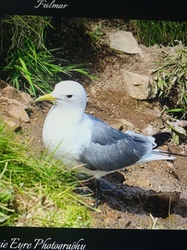
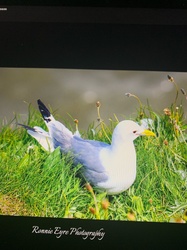
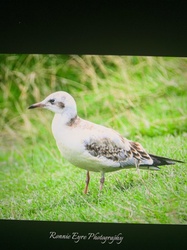
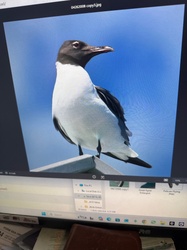
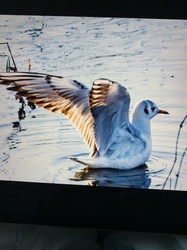
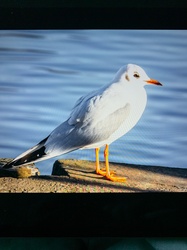
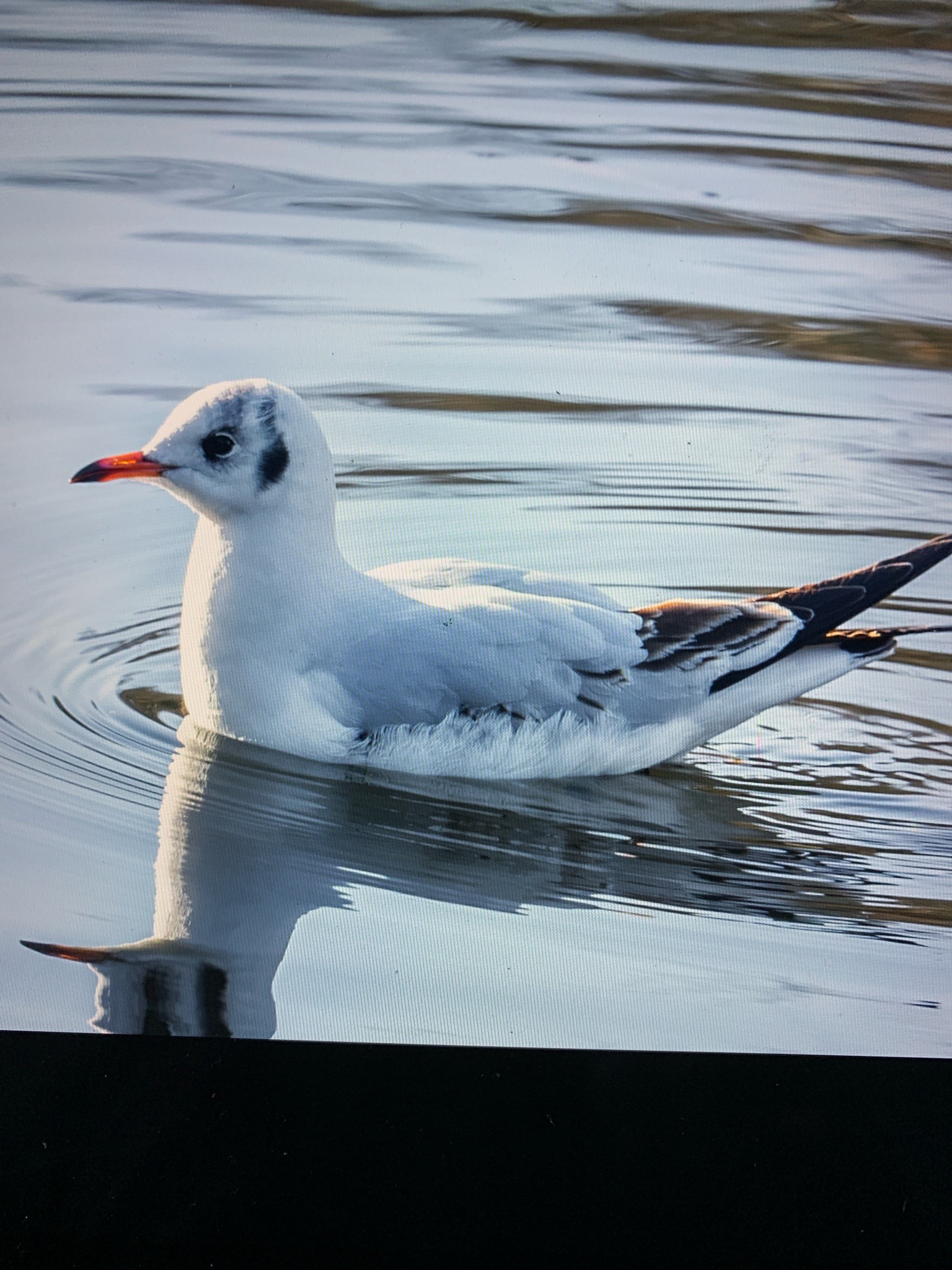
Adults in breeding plumage feature a distinct dark chocolate-brown (appearing black) hood, bright red bill and legs, white body, and pale gray wings with a striking white leading edge and black wingtips. In non-breeding (winter) plumage, the hood is lost, replaced by a clean white head with a dark spot behind the eye (as seen in the image). Juveniles are mottled brown above with a yellowish bill and pinkish legs.
Key field marks
Dark spot behind the eye (winter plumage), slim red bill and legs, pale gray mantle, and distinctive black outer primaries with a prominent white wedge on the leading edge of the wing.
Size & weight
Length: 35-38 cm (14-15 inches), Wingspan: 95-105 cm (37-41 inches), Weight: 190-400 g.
Voice — call & song
A harsh, distinctive, laughing or screaming 'kree-ah' or 'kak-kak-kak' call, especially noisy at breeding colonies.
Diet & foraging
Omnivorous; feeds on insects, fish, seeds, worms, scraps, and occasionally small rodents or carrion. Forages by picking items from the surface of water, scavenging on land, or catching insects on the wing.
Habitat
Inhabits a wide variety of inland wetlands, lakes, marshes, rivers, estuaries, and coastal mudflats, as well as agricultural lands and urban parks.
Migration & movement
Partial migrant. Northern and eastern populations are migratory, moving south or west for the winter, while western and southern European populations are largely resident.
Nesting & breeding
Breeds in colonies ranging from loose groups to dense clusters. Nests are built on the ground among vegetation in marshes or lakesides using reed stems and grasses. Usually lays a clutch of 2-3 eggs, incubated by both parents for about 22-24 days.
Similar species
Bonaparte's Gull (smaller, with a thinner black bill and different wing pattern), Mediterranean Gull (larger with a heavier bright red bill and entirely white underwing), and Little Gull (significantly smaller with a dark underwing).
Ecological significance
Acts as an important predator of aquatic and terrestrial invertebrates, helping to control pest populations, while also serving as a seed disperser and a nutrient recycler in wetland ecosystems.
Conservation status
Least Concern, with stable or increasing populations across much of its extensive range.
Observation tips
Easily observed at urban lakes, coastal beaches, estuaries, and agricultural fields. They are quite bold and readily approach humans for food handouts, making them excellent subjects for photography.
Interesting facts
Despite being called 'black-headed', their breeding hood is actually a rich chocolate brown. They are highly adaptable and have increasingly taken advantage of human garbage dumps and agricultural plowing.
More like this