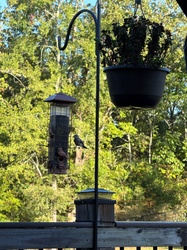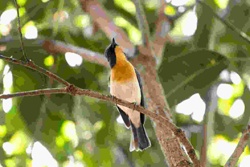
Order: Passeriformes, Family: Bombycillidae
Cedar Waxwing
Bombycilla cedrorum
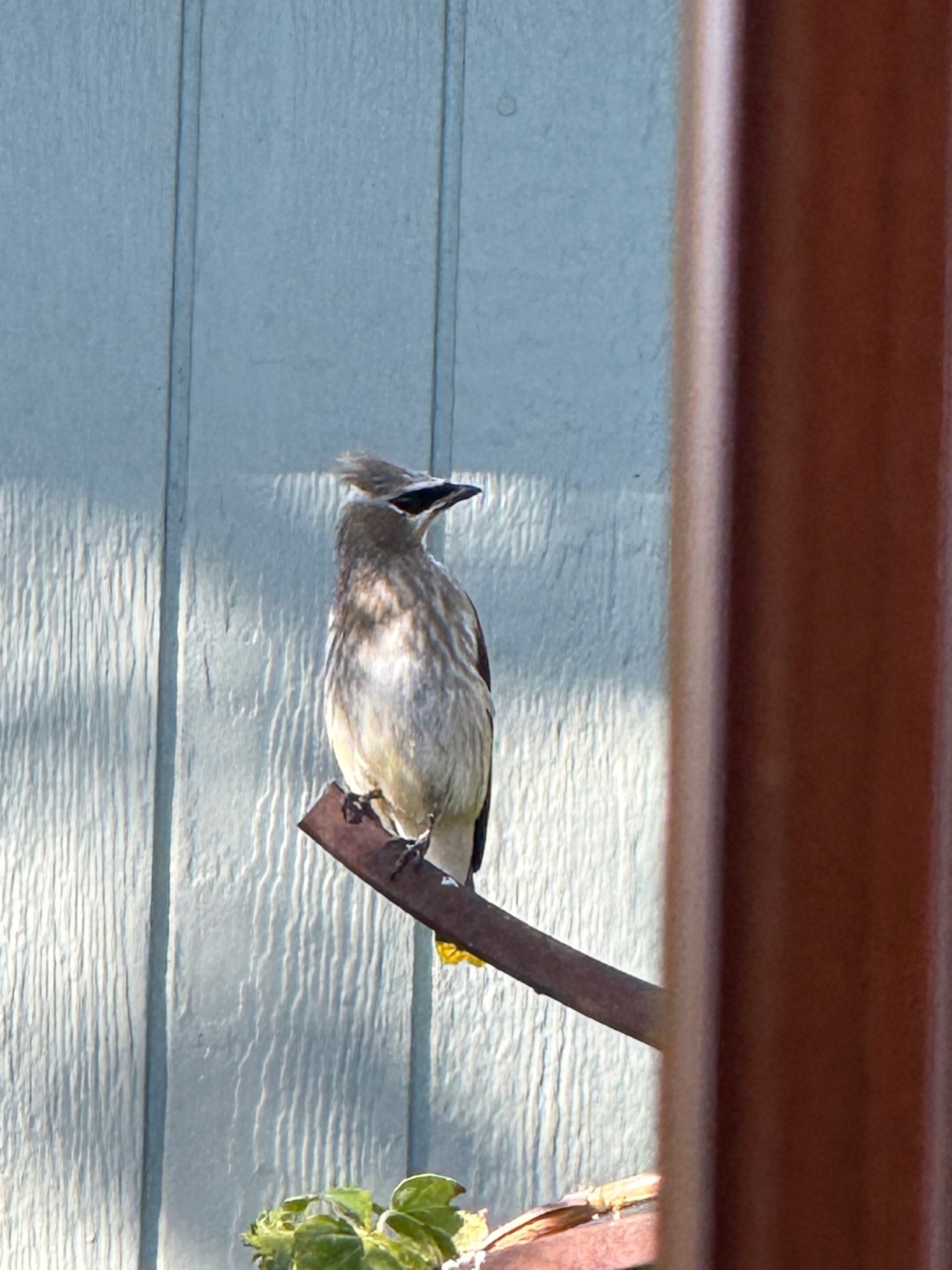
A medium-sized, sleek songbird with a distinct crest and a masked face. Highly social, often seen in flocks feeding gregariously on fruit.
Explore Cedar Waxwing in the encyclopedia →Identify your own birds.
Get a report just like this from any photo or call, free.
Plumage & appearance
Sleek silky plumage with a mix of soft browns, grays, and yellow. Features a prominent crest, a black mask bordered in white, yellow-tipped tail, and often bright red waxy tips on the secondary wing feathers.
Key field marks
Sleek brown body, prominent crest, black face mask, yellow tail tip, and sometimes red wax-like droplets on the wings.
Size & weight
Length: 5.9-7.1 inches (15-18 cm), Wingspan: 8.7-11.8 inches (22-30 cm), Weight: 1.0-1.1 oz (30-32 g)
Voice — call & song
A high-pitched, reedy, somewhat buzzing hiss or whistle, often given in flight.
Diet & foraging
Heavily frugivorous (eats berries and small fruits); also consumes insects during the summer months.
Habitat
Open woodlands, riparian areas, orchards, suburban gardens, and forest edges where fruit-bearing trees and shrubs are abundant.
Migration & movement
Nomadic and migratory; movements are heavily dependent on the availability of fruit crops rather than strict seasonal schedules.
Nesting & breeding
Builds a bulky cup nest in trees, usually 6 to 50 feet above the ground. Lays 3 to 6 bluish-gray eggs with dark spots. Breeds relatively late in the summer.
Similar species
Bohemian Waxwing, which is larger, grays overall, has chestnut under-tail coverts, and yellow and white markings on the wings.
Ecological significance
Acts as a primary seed disperser for various fruit-bearing trees and shrubs, helping to maintain forest and edge habitats.
Conservation status
Least Concern, with stable or increasing populations.
Observation tips
Look and listen for high-pitched, thin trilling calls in fruit trees, especially berry-heavy bushes during autumn and winter.
Interesting facts
They can become intoxicated or even die from consuming overripe, fermented berries that have begun to alcoholize.
More like this